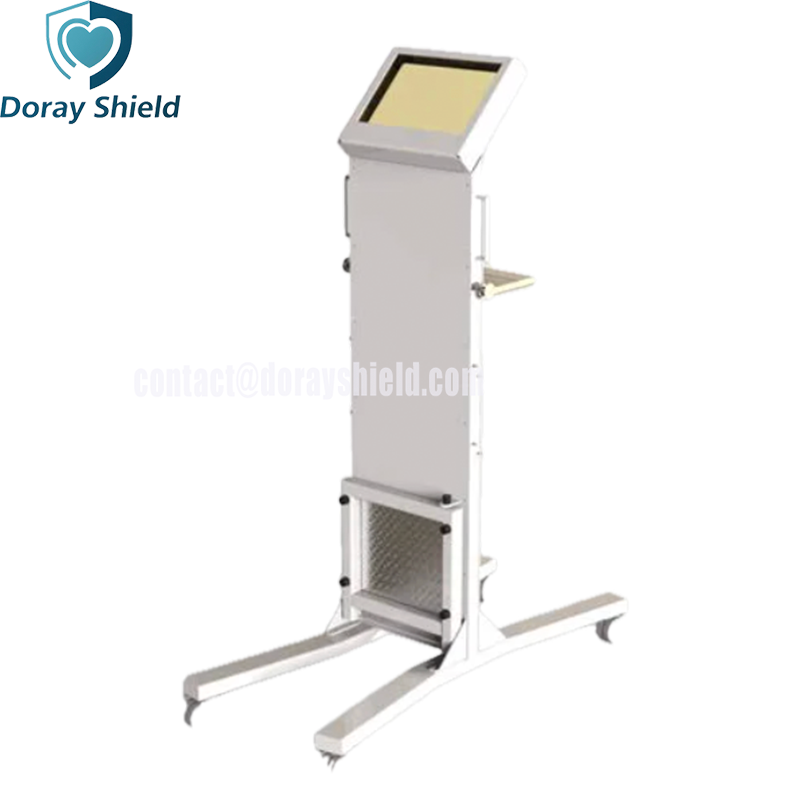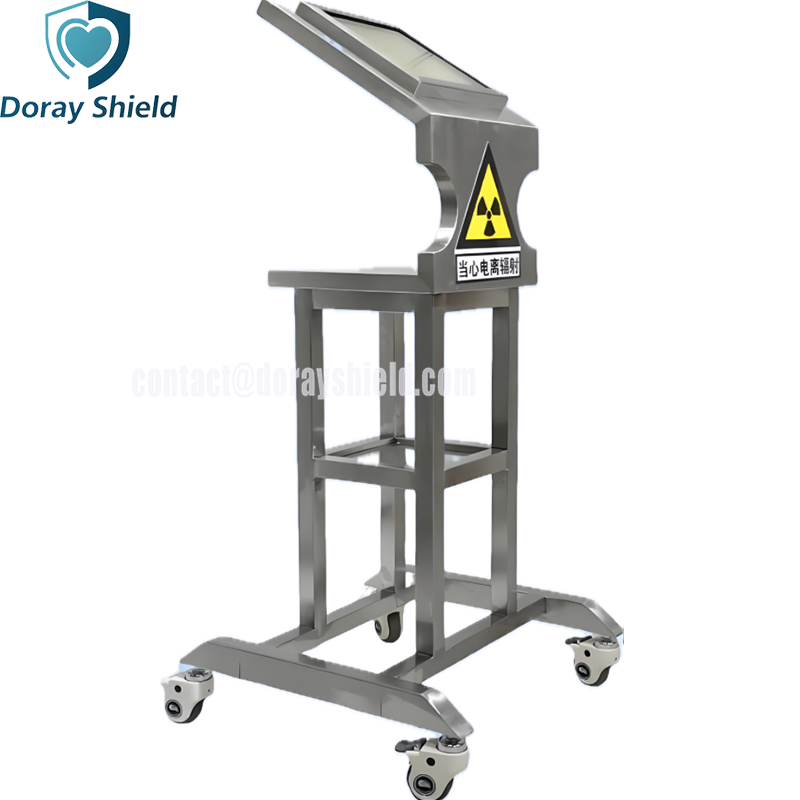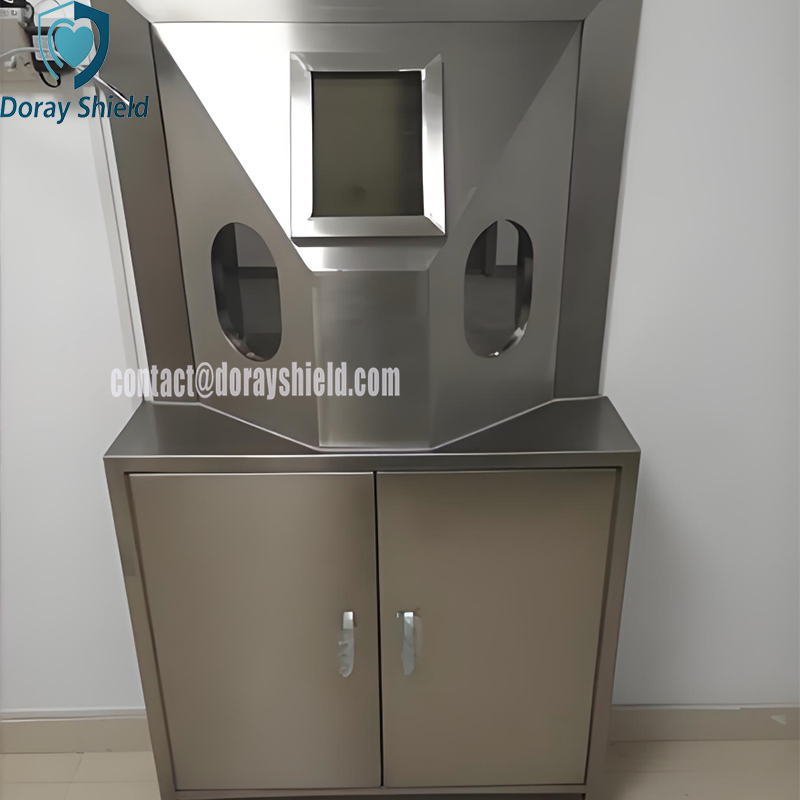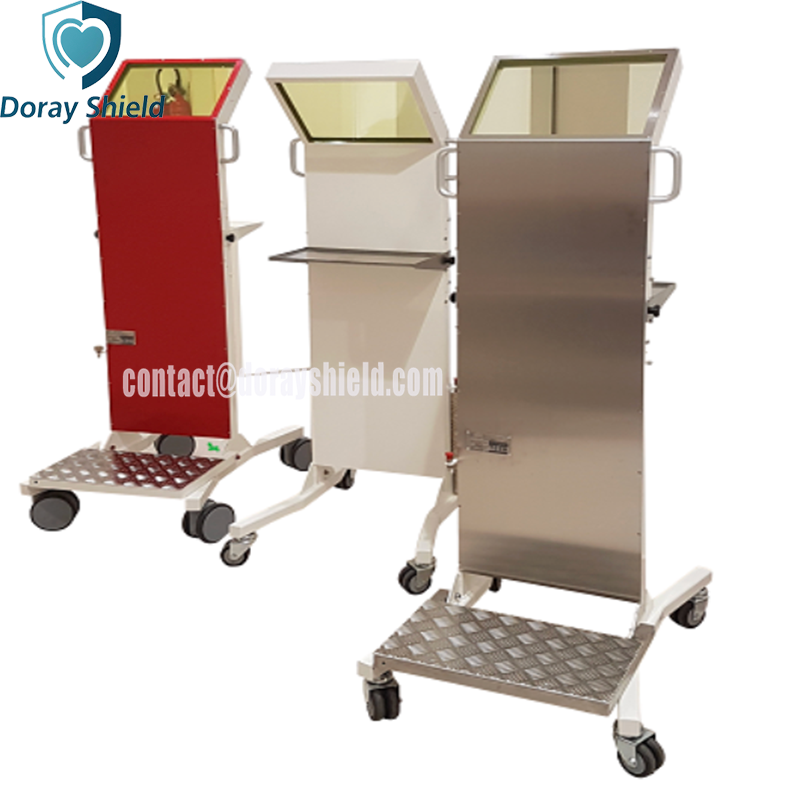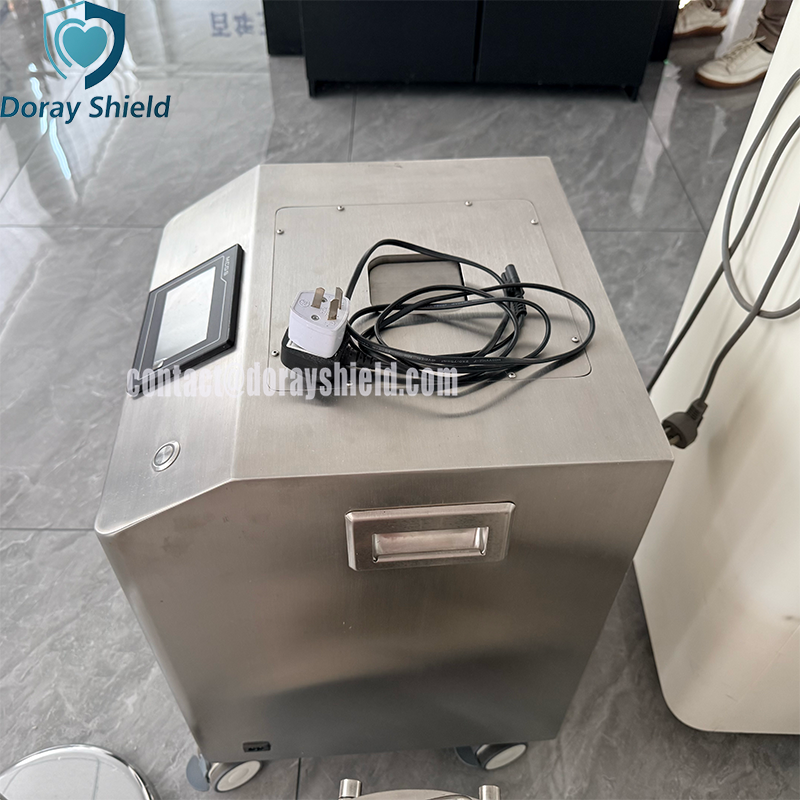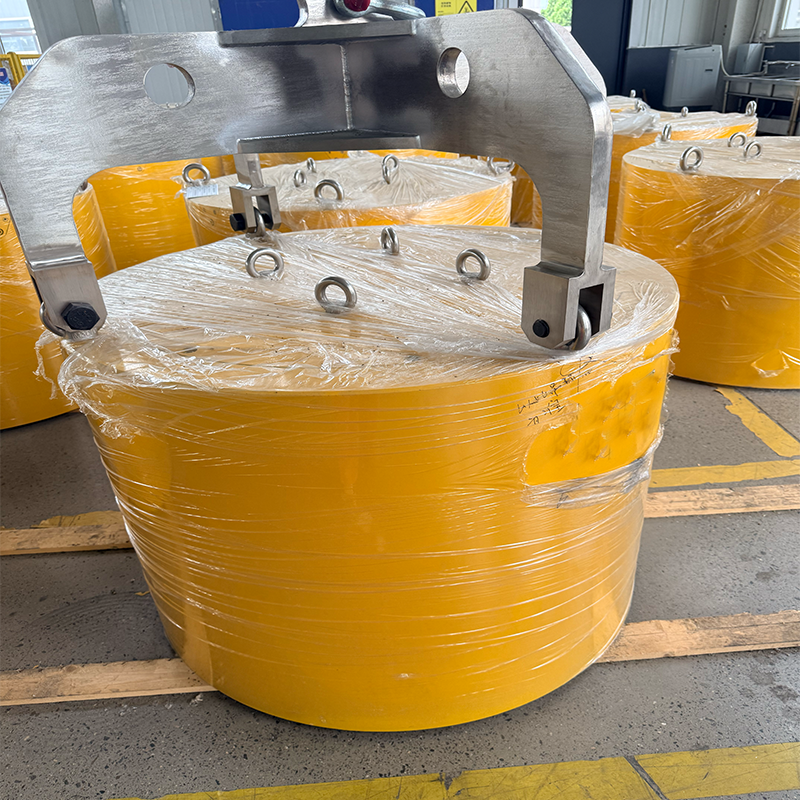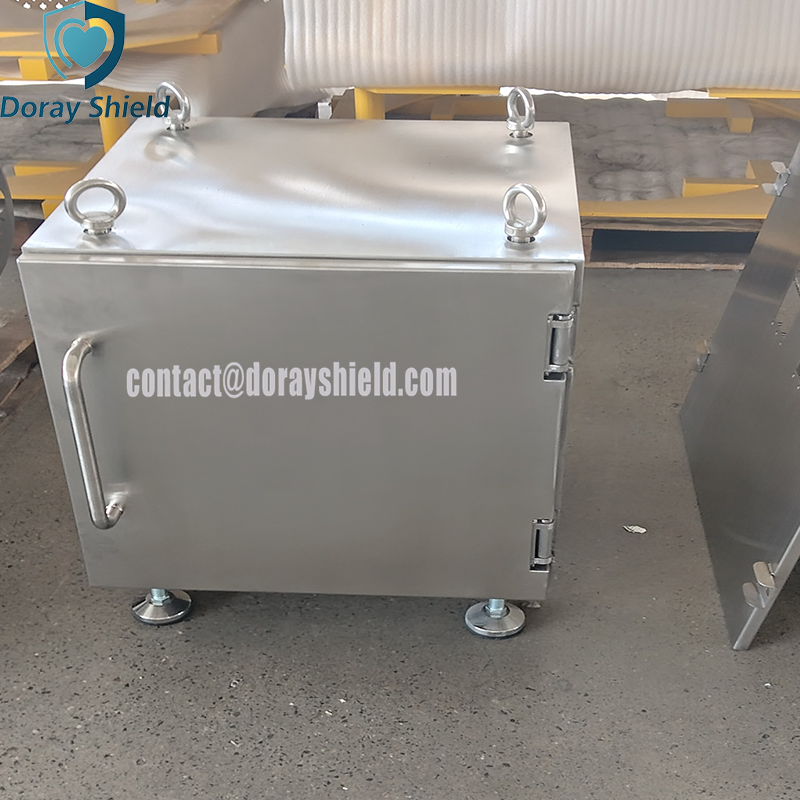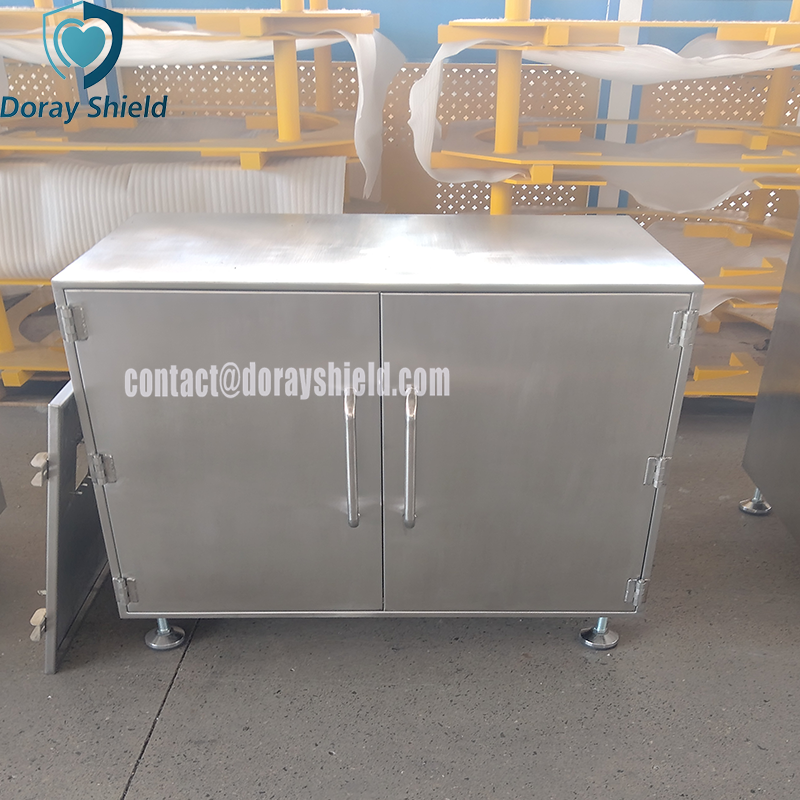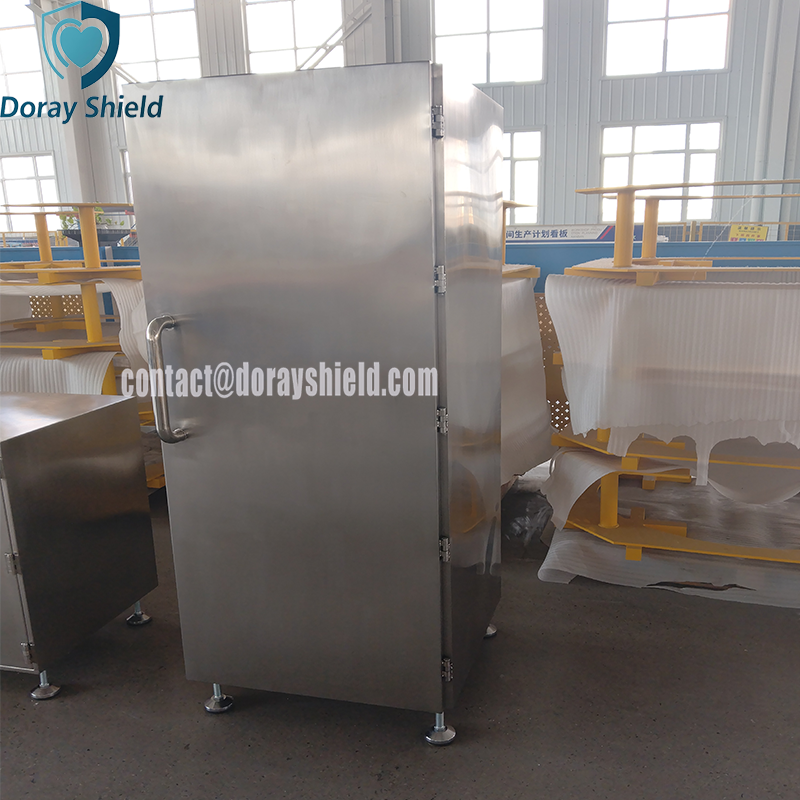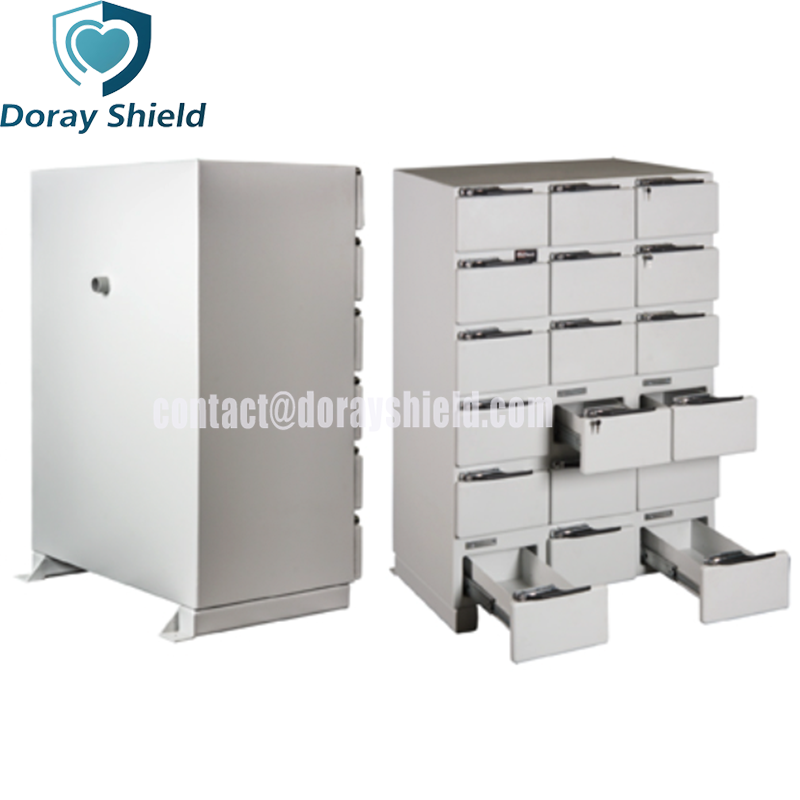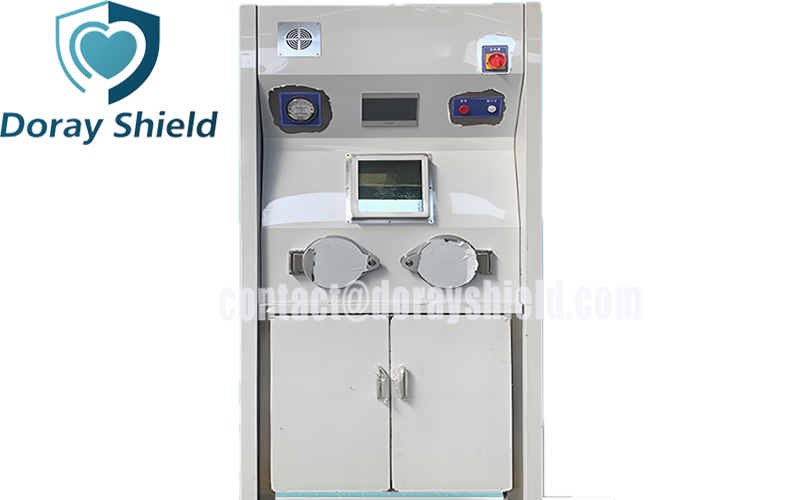
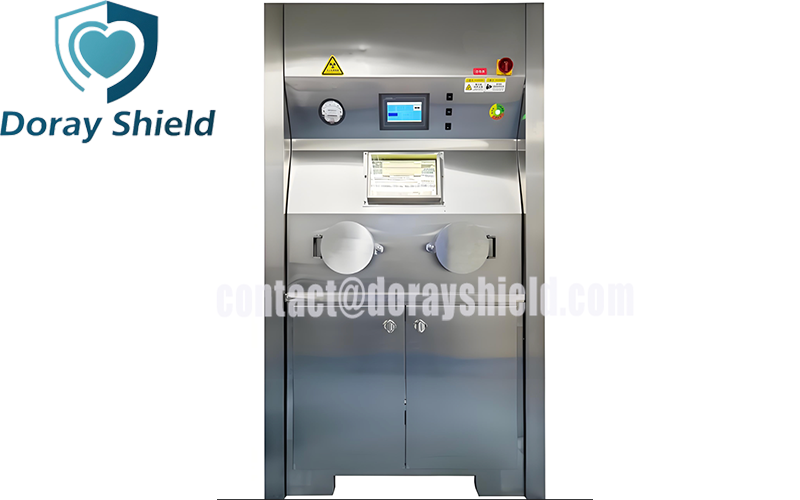
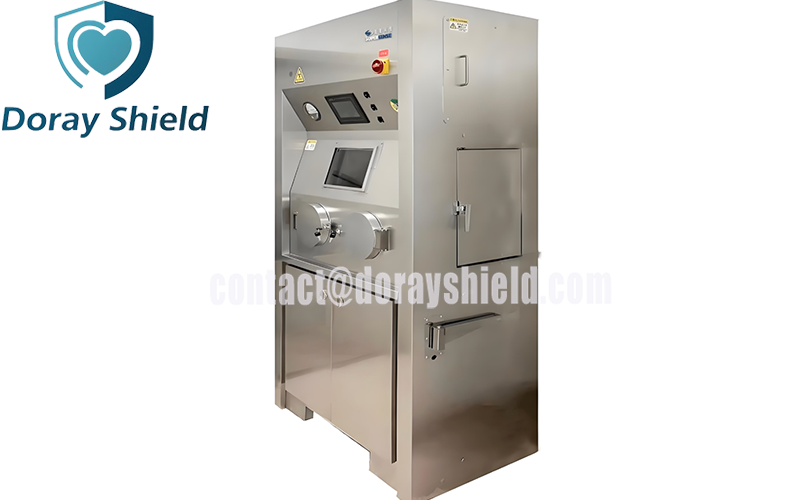
Radionuclides are the basis for the daily work of the Department of Nuclear Medicine. Commonly used drugs include I-131, F-18, or Tc-99m, etc., which all have a certain degree of volatility and can cause serious radiation damage to the human body, so radioactive Handling of medications must be done in a fume hood. Medical Radiation Protection Fume Hoods mainly use stainless steel and lead shielding materials. Their function is to distribute the radioactive sources stored in lead tanks into vials according to the dose required by the patient, and at the same time, to pass the pollution particles distributed in the dispensing room. The exhaust system is placed outdoors for dilution. Medical Radiation Protection Fume Hoods are very suitable for use in nuclear medicine laboratories, MR rooms, PET departments, SPET departments, and other radiation environments that require medication dispensing. Medical Radiation Protection Fume Hoods are generally equipped with a leaded glass observation window with a wide field of view and a freely extending work hole. Independent ventilation system, activity meter, reading platform, lighting device, delivery window, and adsorption filtration purification device, etc.
High-density absorbers: Shielding relies on banks of cast lead-glass, lead sheet, or boron-loaded polyethylene—each material selected for optimal balance of weight, rigidity, and attenuation capability. Calibrated design ensures that lead-equivalent thickness remains between 1 and 5 millimeters, meeting the specified attenuation threshold for airborne photon and thermal neutron sources without margin that exceeds weight allowances.
Independent exhaust: Shielded hoods channel contaminated air to a separate stack or reactor-grade roughing exhauster, circumventing the facility’s return duct and preserving containment integrity.
Visual protection: Front diaphanalignment is achieved using lead glass of the designated shielding thickness, with an integrated thin-layer antimony-doped titanium coating to suppress both the resultant ultraviolet and infrared radiation.
Corrosion-resistant surface: Console and bulky-traverse exterior components receive a multilayer, Grade 316 stainless steel surface finish, with an adjunct nominal 300-micron epoxy phenolic insulating shield rated for immersion in liquid sodium hypochlorite and equivalent surficial spill remediants.
Nuclear Medicine: Packaging, labeling, and elution of radiopharmaceuticals such as Tc-99, F-18, and I-131.
PET/CT Center: Positron-emitting drug preparation and quality control.
Radiation Oncology: Brachytherapy radiation source operation.
Research Institutes: Radioisotope experiments and tracer preparation.
Material | Stainless Steel and Lead |
Size(LxWxH) | 1200mmx750mmx2100mm |
Shield Thickness | 2-5mm |
Lead Equivalent | 10-40mmpb |
Shipping Window | 530mmx420mm |
Working Holes Diameter | 100-200mm |
Delivery Time | About 25 days |
Standard | ASTM, GB |
Certification | ISO 9001 |
Delivery is prompt!
By 10-year industry experts!
Diverse payment methods available!
Unbeatable cost performance!