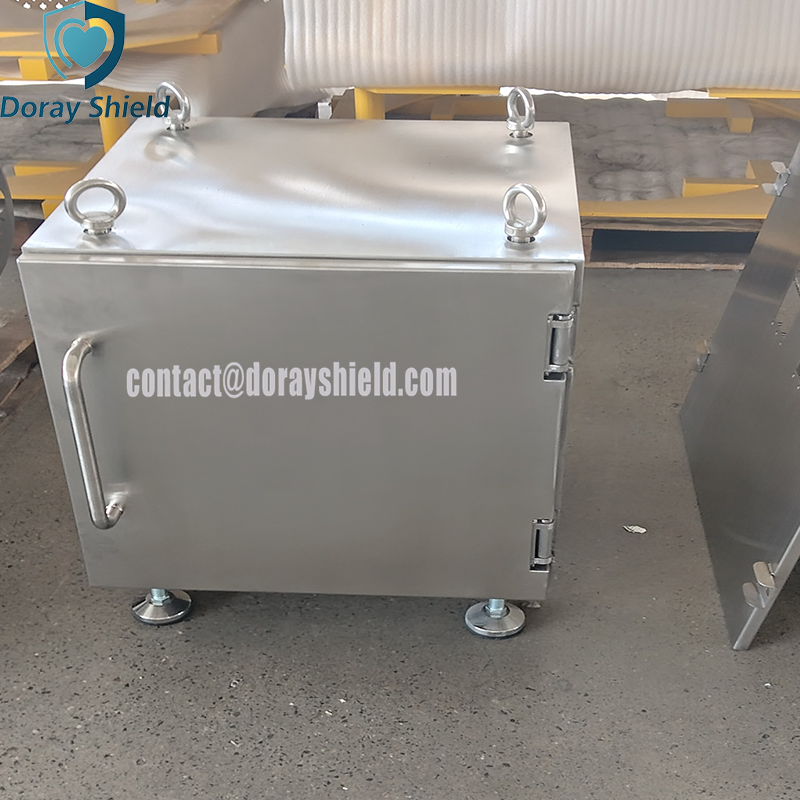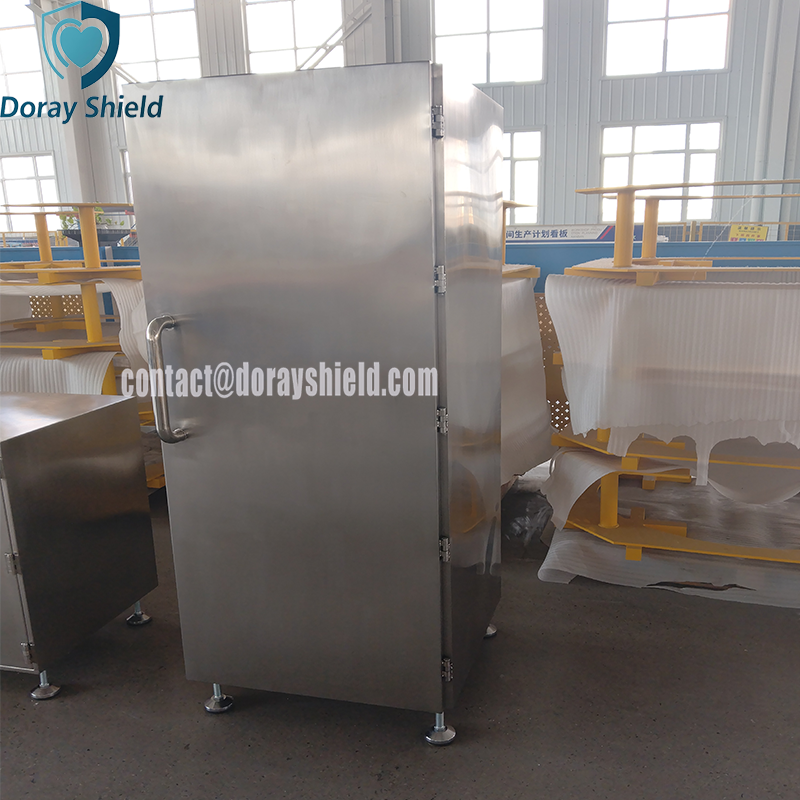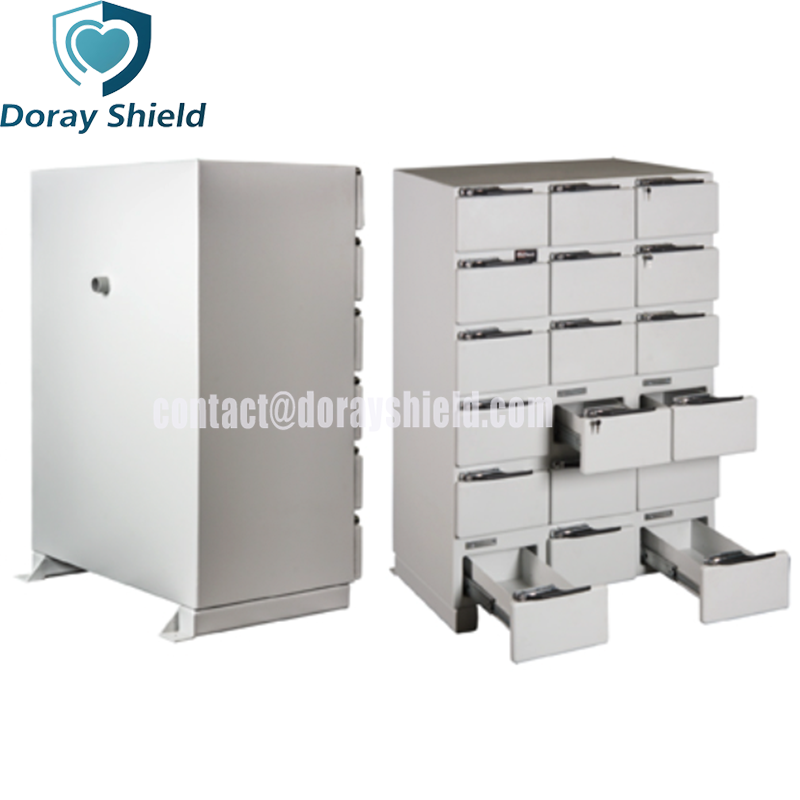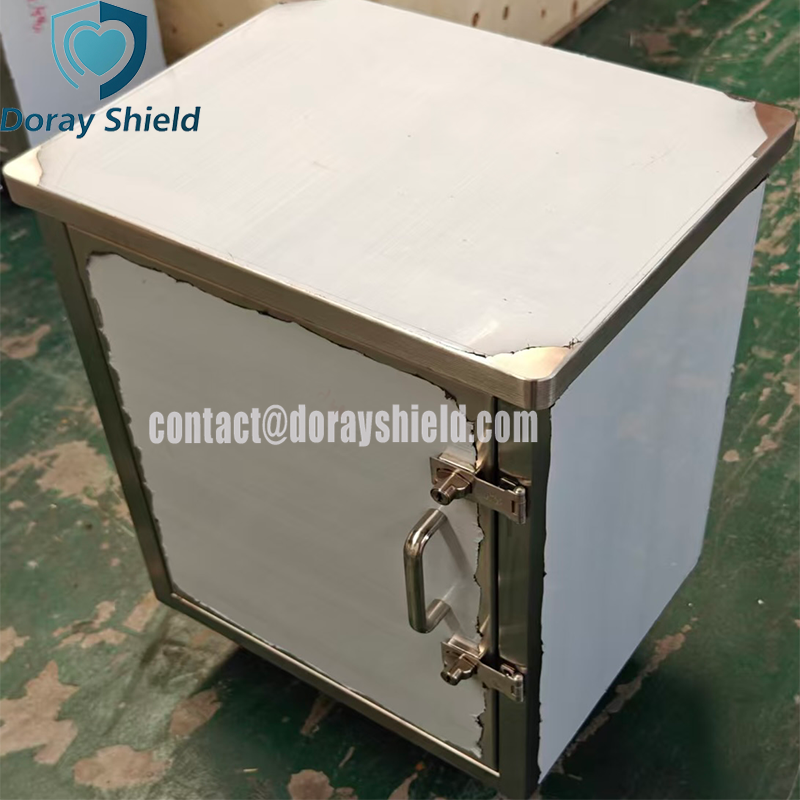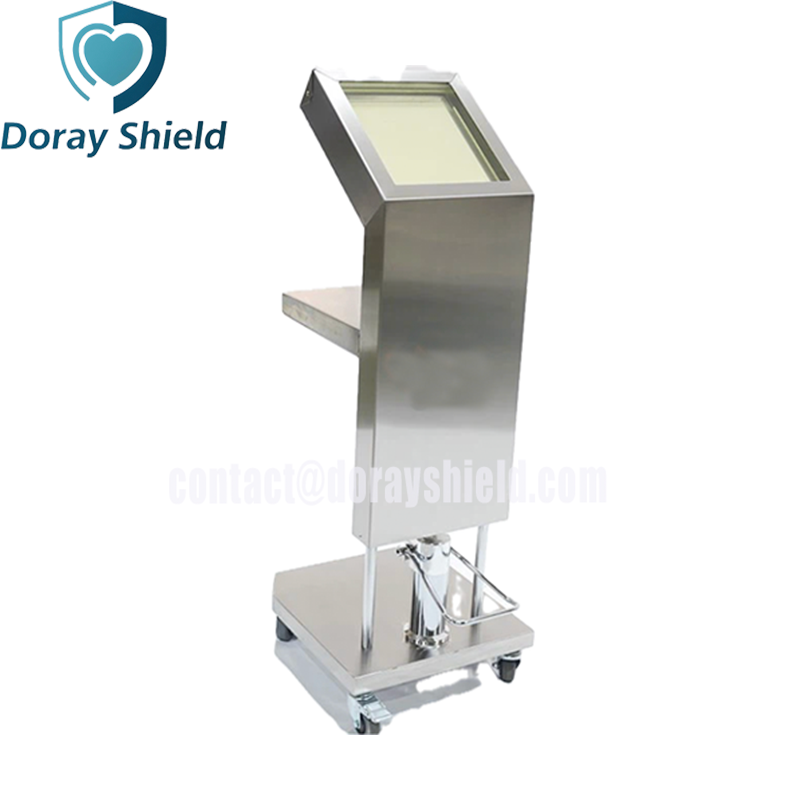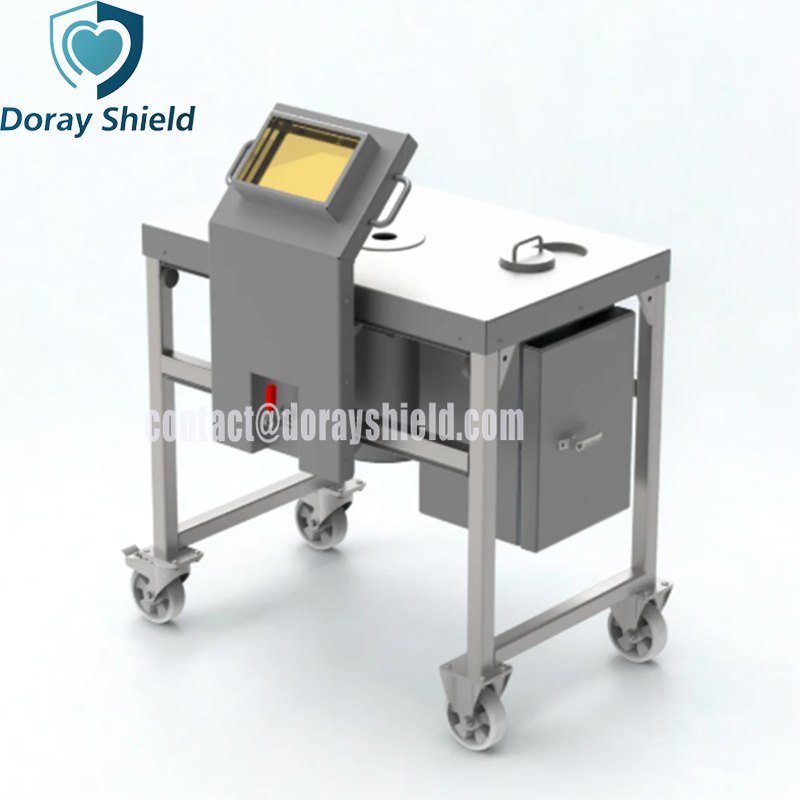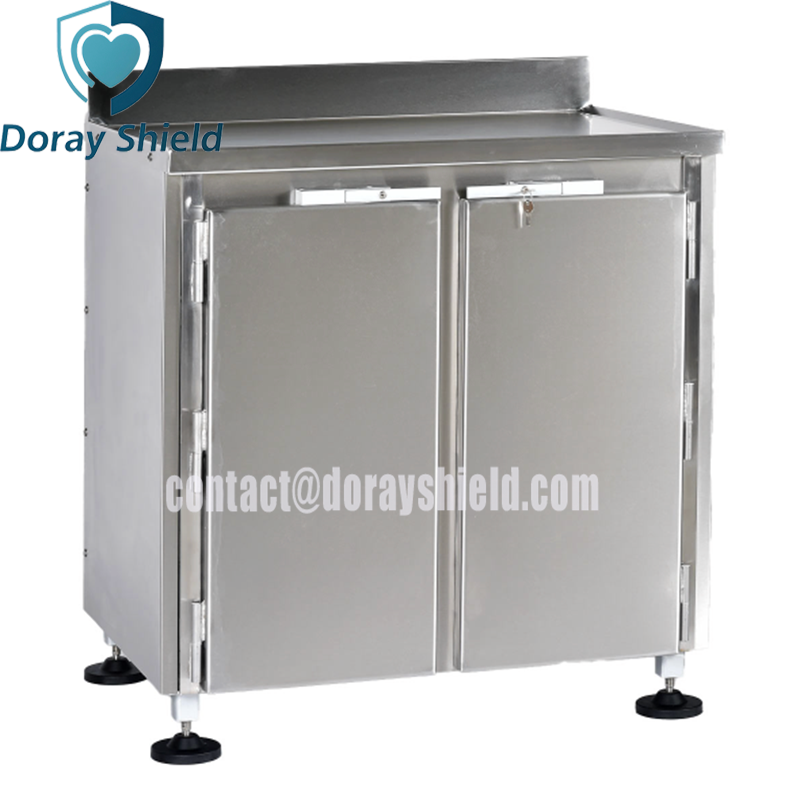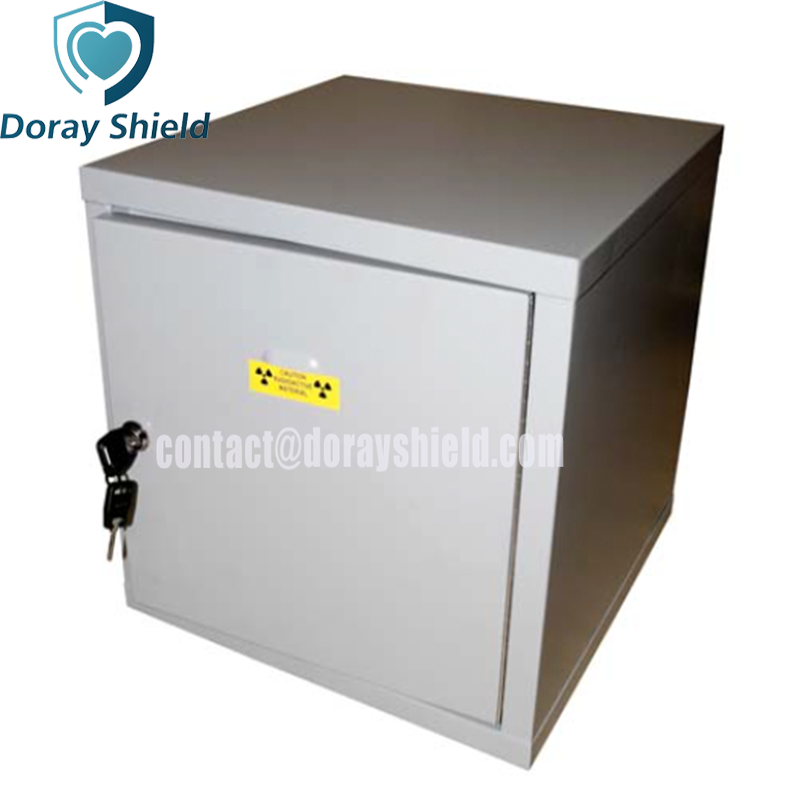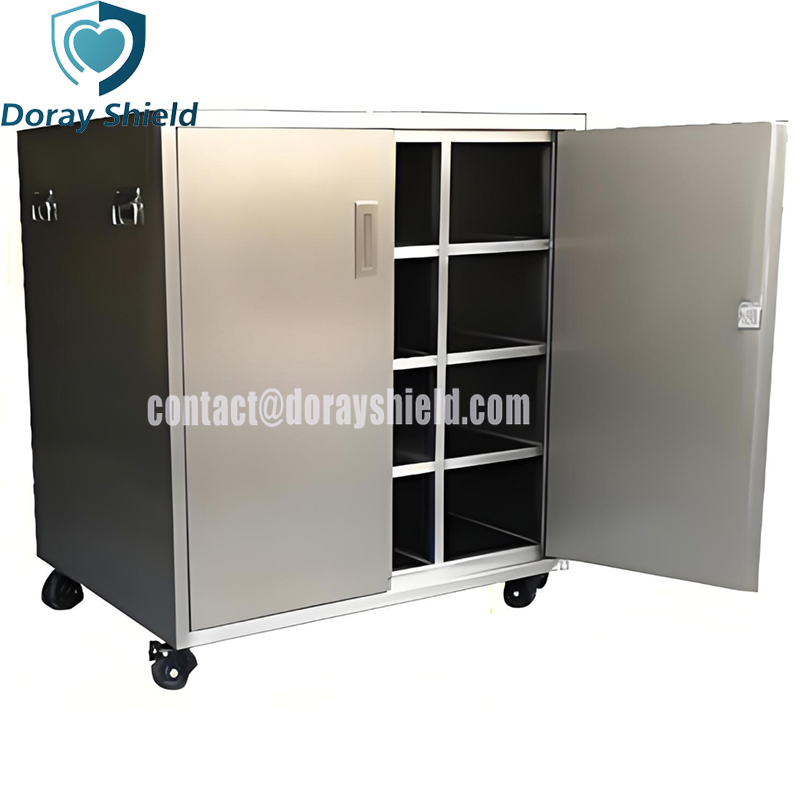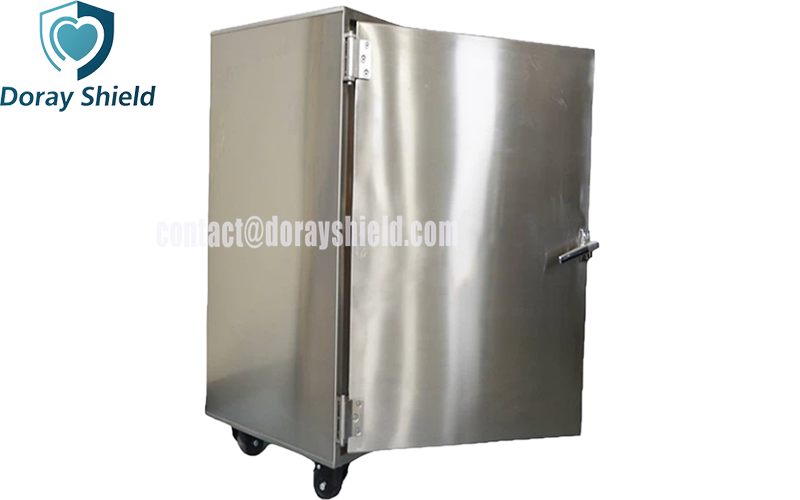
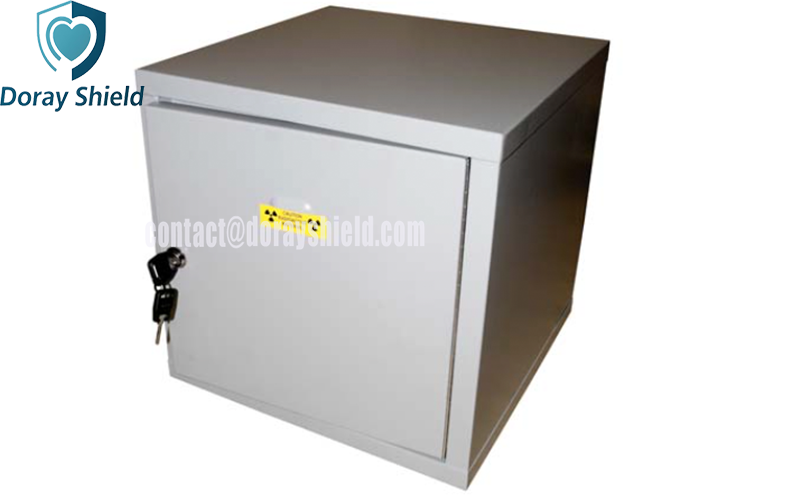
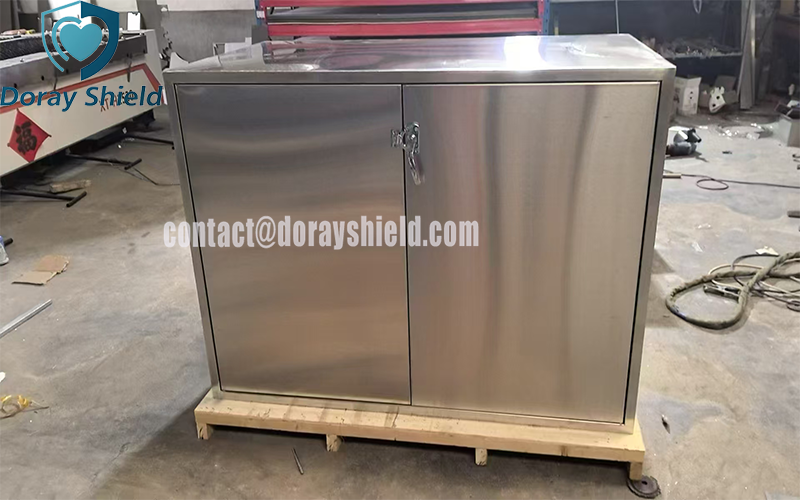
A stainless steel lead-lined cupboard is specialized storage equipment that combines the corrosion resistance and high strength of stainless steel with the high-density radiation shielding properties of lead. The cabinet body is typically constructed from high-quality 304 or 316L stainless steel. While 304 stainless steel offers excellent overall corrosion resistance, 316L—containing added molybdenum—provides superior resistance to chloride corrosion and higher strength at elevated temperatures, making it suitable for more demanding environments. The stainless steel surfaces are polished or brushed; this finish is not only aesthetically pleasing but also easy to clean and disinfect, meeting cleanroom standards. The interior is lined with high-density lead sheeting (typically with a lead content of ≥99.994%). The thickness of the lead lining is customized based on the specific radiation type (e.g., X-rays or gamma rays) and energy levels involved, with common specifications ranging from 0.5 mm to 10 mm or greater. The lead sheeting is securely bonded to the inner stainless steel walls using a composite process to ensure a leak-proof seal. The overall structure is robust and heavy; to facilitate mobility, the unit is usually equipped with locking swivel casters at the base. This equipment is primarily used to store radioactive sources, radioisotopes, and other hazardous materials requiring strict radiation isolation, finding wide application in medical nuclear medicine departments, industrial non-destructive testing laboratories, and scientific research institutions.
Radiation Protection: Leverages the high atomic number and density of lead to effectively absorb and attenuate ionizing radiation, ensuring the safety of operators and the surrounding environment. Protection levels are measured in terms of "lead equivalence."
Mechanical Interlocks: Mechanical interlocking mechanisms are typically installed between door panels or between doors and drawers to prevent simultaneous opening, which could lead to radiation leakage or operational errors.
Sealing: Utilizes polyurethane foam gaskets or high-quality rubber sealing strips to ensure the cabinet is airtight, preventing the escape of radioactive dust or the ingress of external contaminants.
Corrosion Resistance and Durability: The stainless steel exterior resists acid and alkali corrosion, while the lead lining is chemically stable. The unit offers a normal service life of up to 50 years with low maintenance costs.
Customization Services: Supports customization based on user requirements, including dimensions, lead plate thickness, internal shelving layouts, and special functional modules (such as integrated nitrogen systems to prevent oxidation or connections to exhaust systems).
Medical institutions: Hospital departments of nuclear medicine and radiotherapy; used for storing radiopharmaceuticals (such as Iodine-131 and Technetium-99m) and radioactive sources.
Industrial sector: Industrial non-destructive testing (NDT) sites—such as those for oil pipeline flaw detection and metal casting inspection—where industrial radiography sources (such as Iridium-192 and Selenium-75) are stored.
Scientific research and education: Radioactive laboratories in universities and research institutes are used for the safe, temporary storage of radioactive sources intended for experimental use.
Periodic Inspection: Regularly inspect the cabinet's sealing strips for aging or deformation to ensure sealing integrity, and check the swivel caster brakes for responsive operation.
Cleaning and Maintenance: Keep the interior and exterior of the cabinet clean and prevent prolonged contact between the stainless steel surfaces and corrosive substances. While oxidation and darkening of the lead plate surface are normal phenomena that do not compromise radiation shielding performance, physical damage to the plates should be avoided.
Compliance Management: Maintain detailed equipment maintenance logs recording calibrations, component replacements, and cleaning activities. For high-end models equipped with networked monitoring, regularly review system alarm notifications and operational status data to ensure the equipment remains in optimal working condition.
Delivery is prompt!
By 10-year industry experts!
Diverse payment methods available!
Unbeatable cost performance!