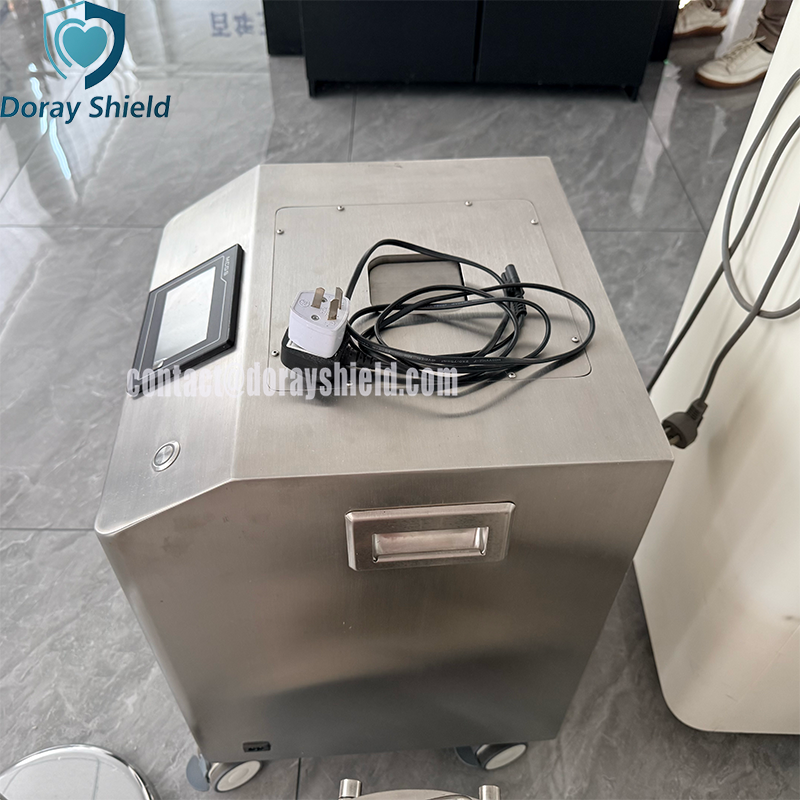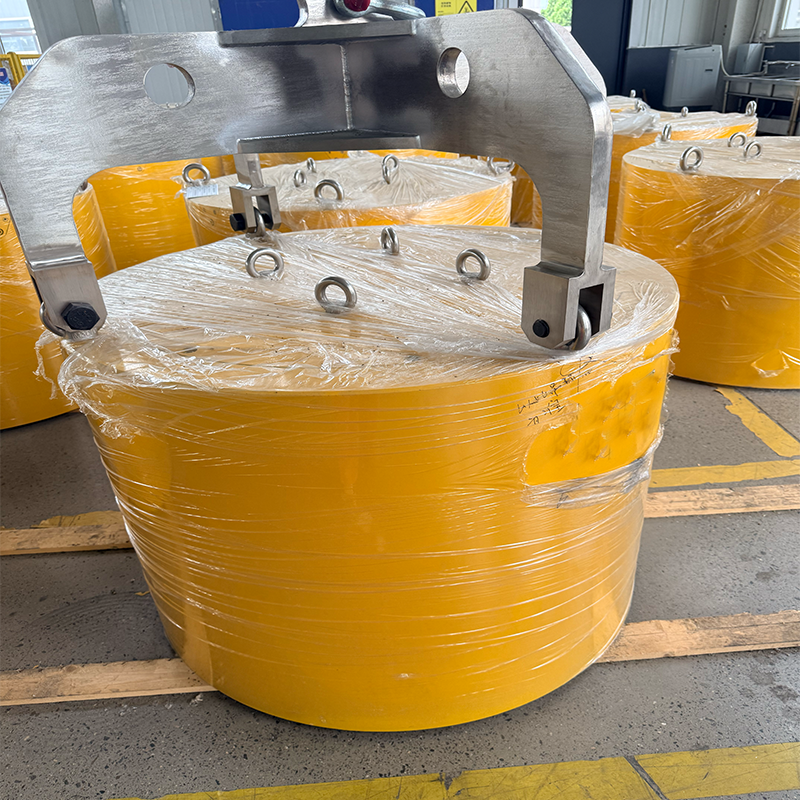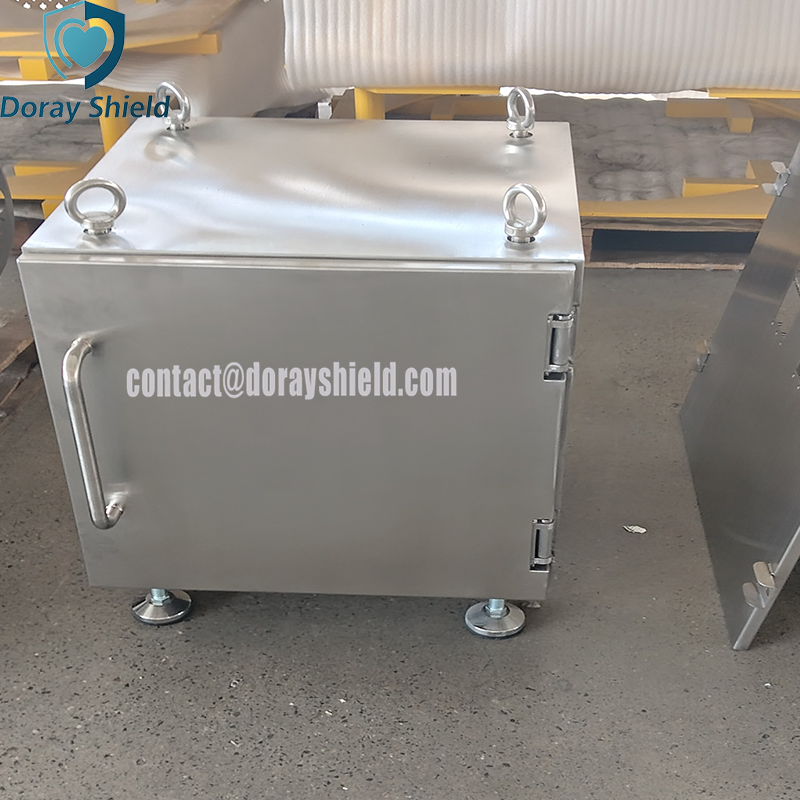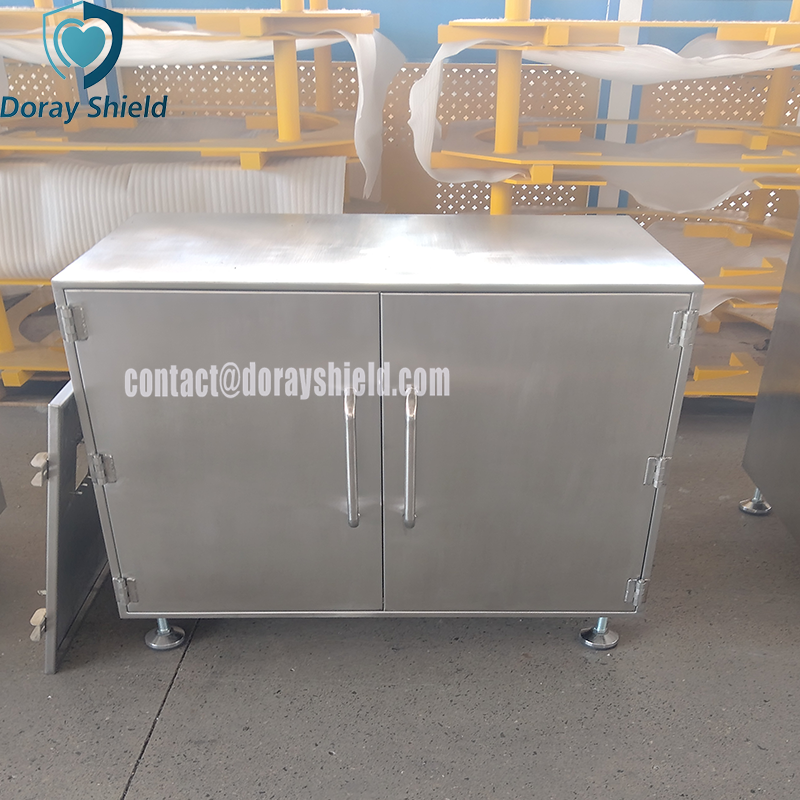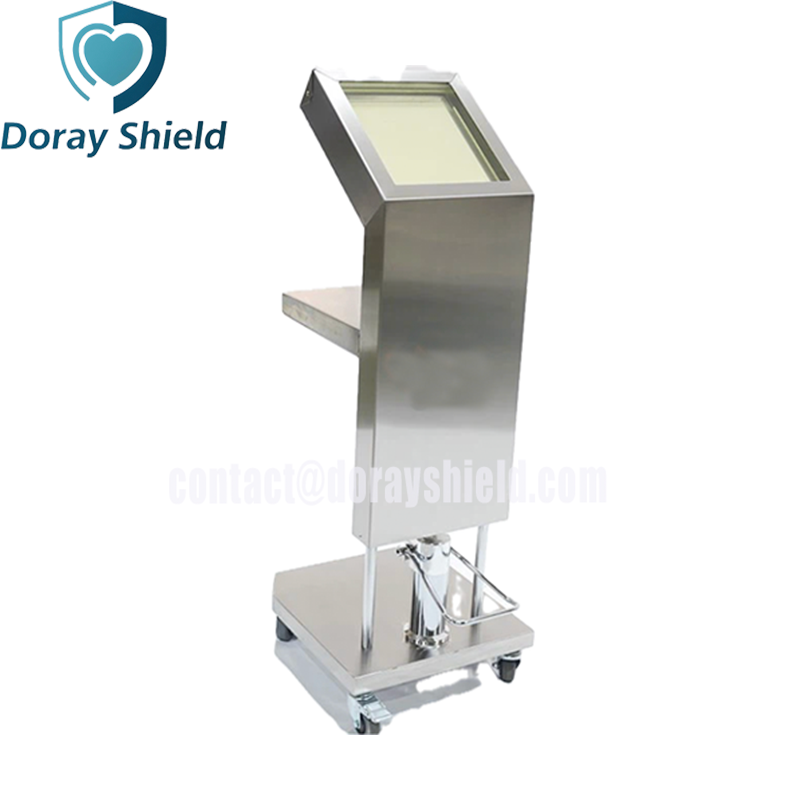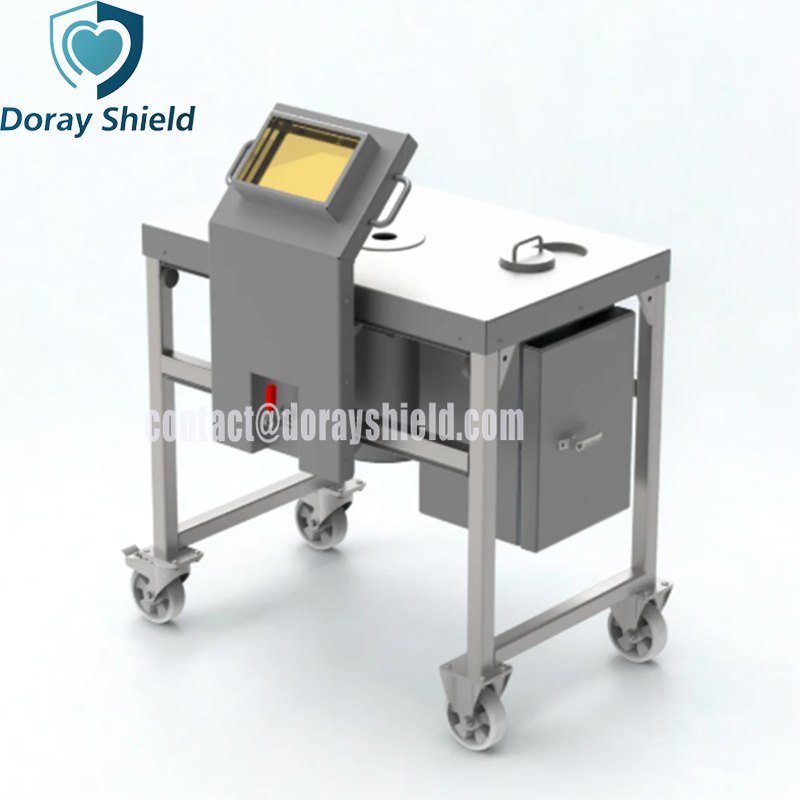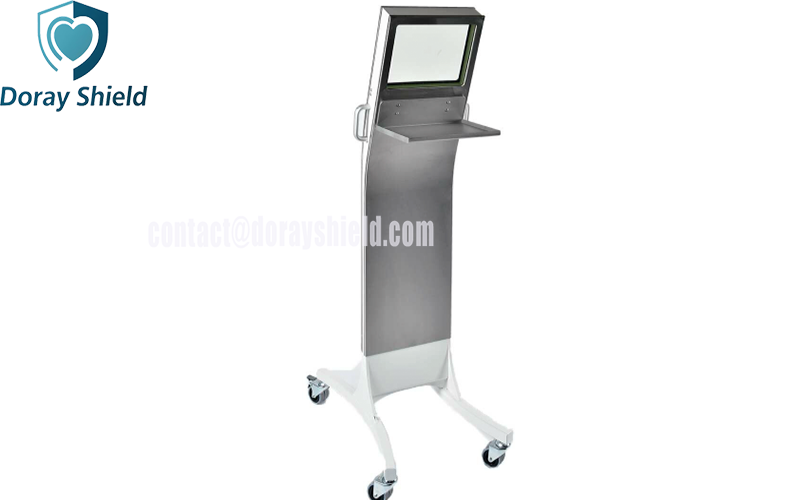
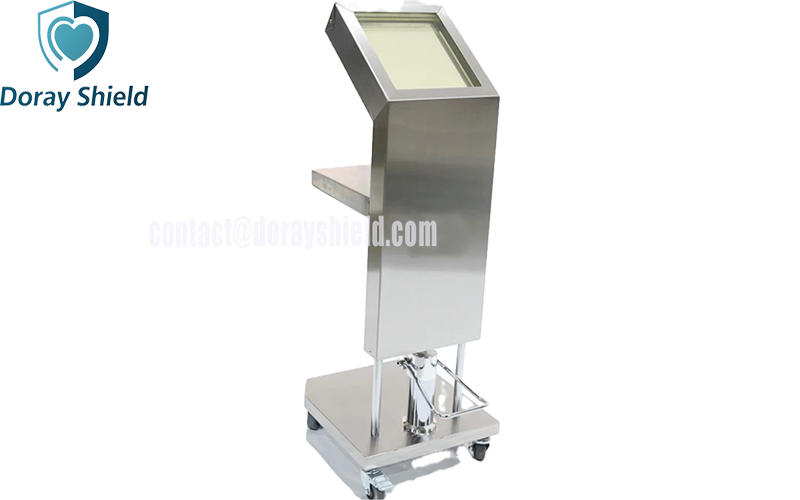
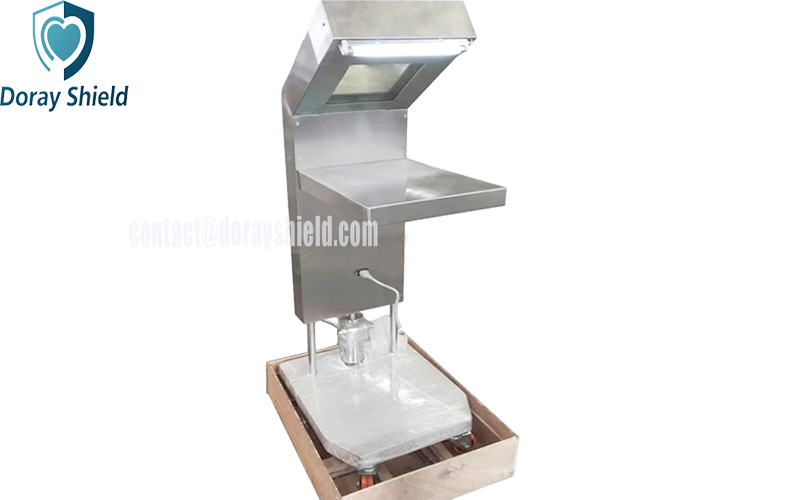
In modern nuclear medicine, the widespread use of radiopharmaceuticals has significantly enhanced the precision of disease diagnosis and treatment. However, healthcare professionals face a high risk of radiation exposure when administering injections at close range. The core innovation of the mobile injection cart lies in transforming static radiation shielding technology into a dynamic, mobile workstation. The front panel features a high-transmittance (>85%) lead-glass viewing window, allowing staff to clearly monitor the patient's vascular condition and the injection process while maintaining a safe distance. The cart is equipped with silent, omnidirectional casters that enable smooth 360-degree movement, facilitating rapid transport between examination rooms and patient beds. Each caster features an intelligent braking system to ensure the cart remains completely stationary during injections, thereby preventing accidental needlestick injuries or the displacement of the radiation source caused by movement. Some newer models incorporate a sliding or hinged lead-glass enclosure design to further minimize scattered radiation leakage. While traditional fixed lead screens offer basic protection, they struggle to accommodate the diverse and dynamic clinical scenarios—such as bedside injections, procedures in isolation wards, and emergency interventions—that require greater flexibility.
Standard Injection Areas: Used for standardized radiopharmaceutical injections before PET-CT or SPECT scans.
Bedside Injection: Designed for patients with limited mobility, critically ill patients, or those who are bedridden, the mobile unit can be brought directly to the bedside, eliminating the risks associated with patient transport.
Isolation Wards and Special Procedures: Provide an independent protective barrier for use in infectious disease wards or environments requiring strict isolation.
Rapid Emergency Response: Enables the quick setup of temporary, shielded injection stations during medical emergencies, thanks to the unit's high mobility.
To ensure protective effectiveness and equipment longevity, standardized operation and maintenance are essential:
Pre-use inspection: Verify that lead panels are free of damage or cracks, lead glass maintains proper transparency, wheel brakes function correctly, and the unit's structure is stable.
Operational precautions: Keep the unit stable during movement, adhere to aseptic protocols, and maintain proper weight balance to prevent tipping.
Post-use handling: Promptly clean and disinfect contact surfaces, return the unit to its designated storage location, and conduct regular inspections and maintenance of radiation protection performance.
Finishing Material | Stainless Steel |
Shielding Material | Lead |
Lead Shielding | 20mmpb |
L-BLOCK Size | 420mm(w)x450mm(l)x490mm(h) |
Lead Glass | 200mm(w)x250mm(l)x50mm(d) |
| Cart Size | 440mm(w)x570mm(l)x1200mm(h) |
Tray size | 350x380mm WxD |
Height | 1350mm to 1475mm |
Weight | 150kgs |
Delivery is prompt!
By 10-year industry experts!
Diverse payment methods available!
Unbeatable cost performance!