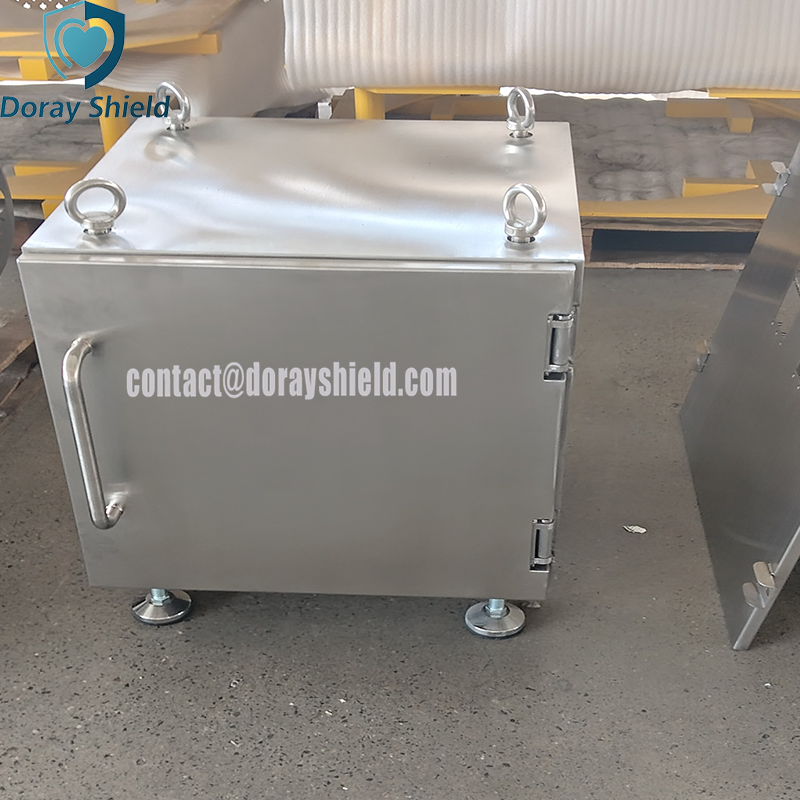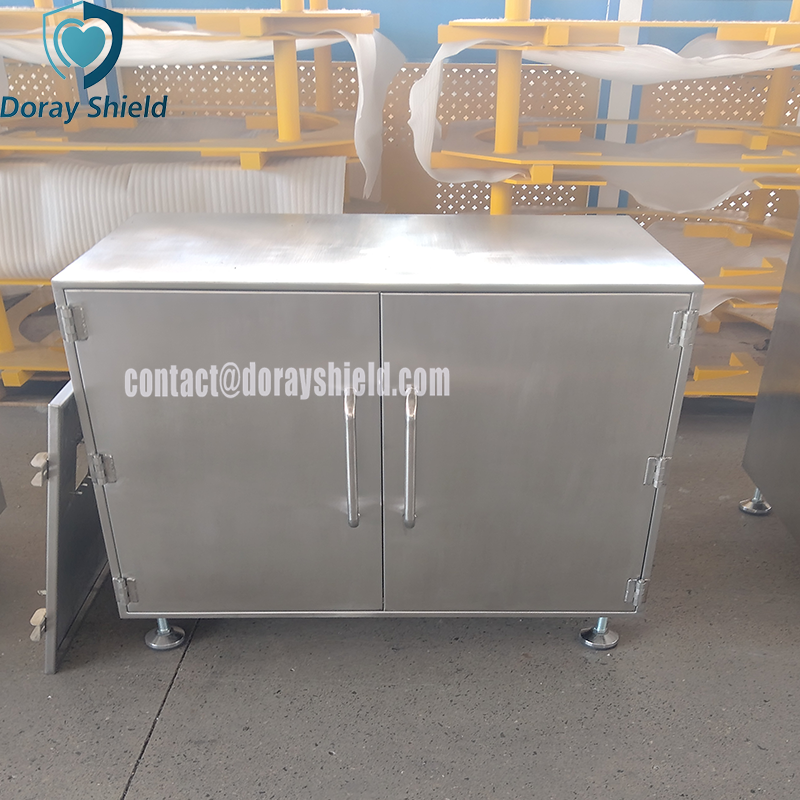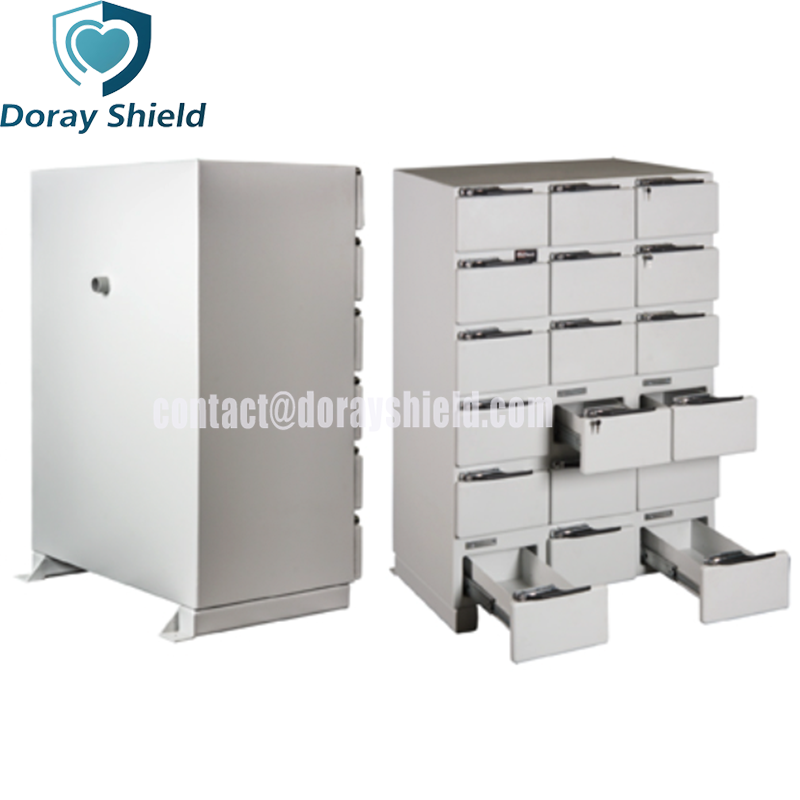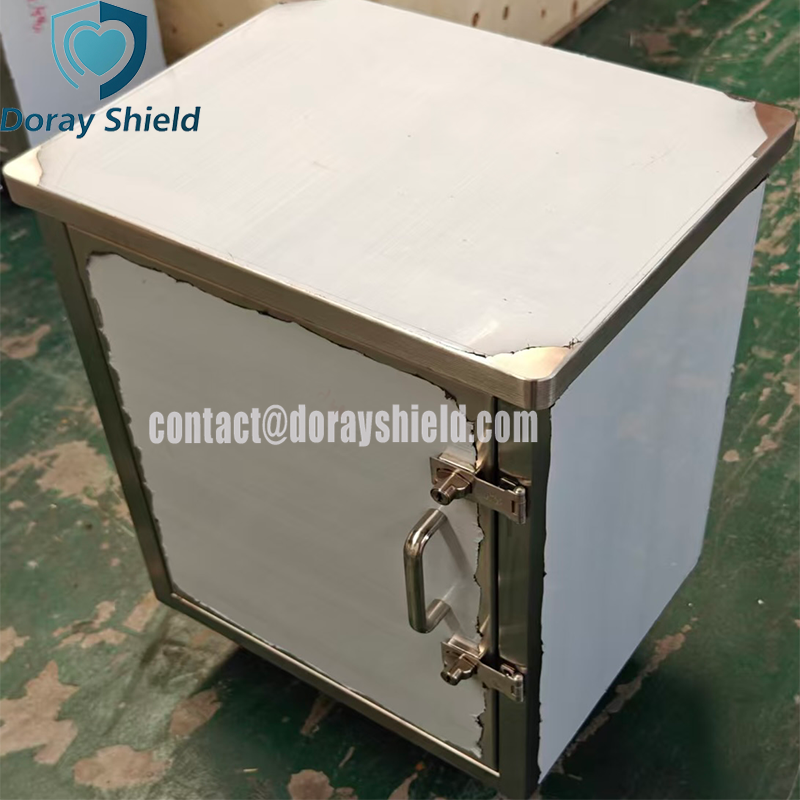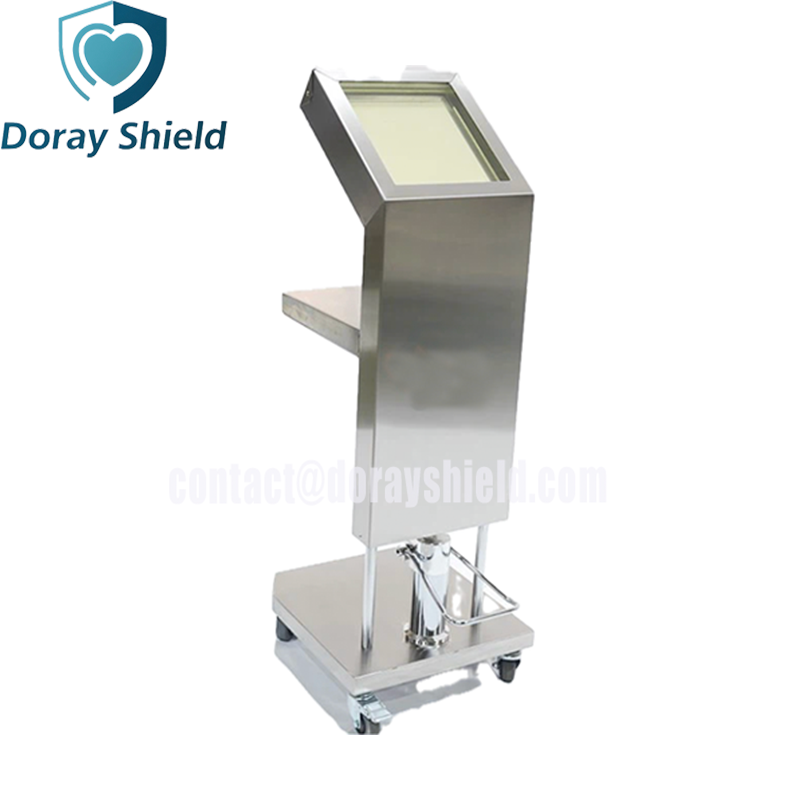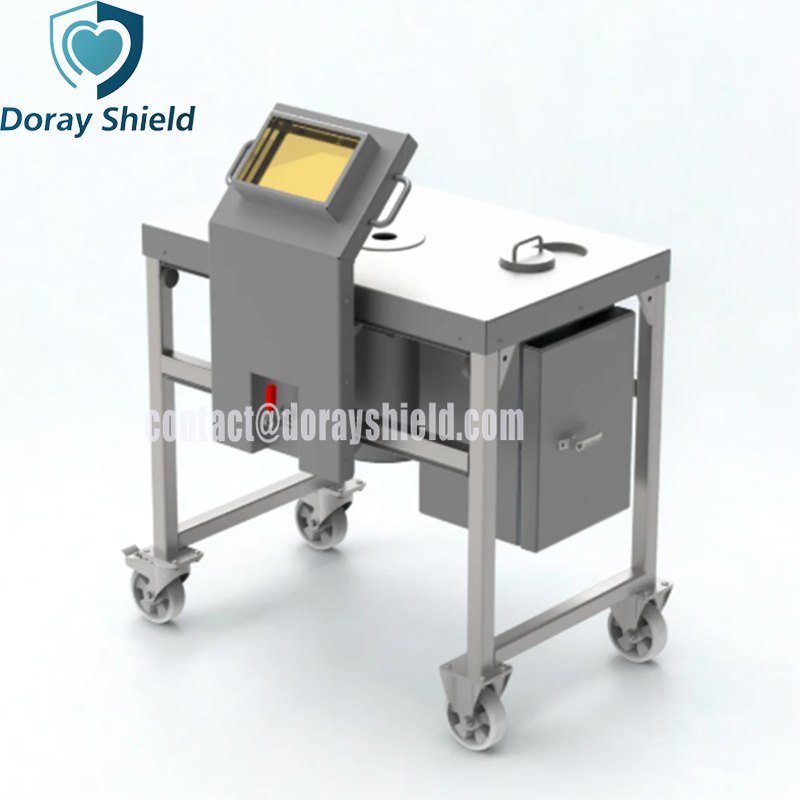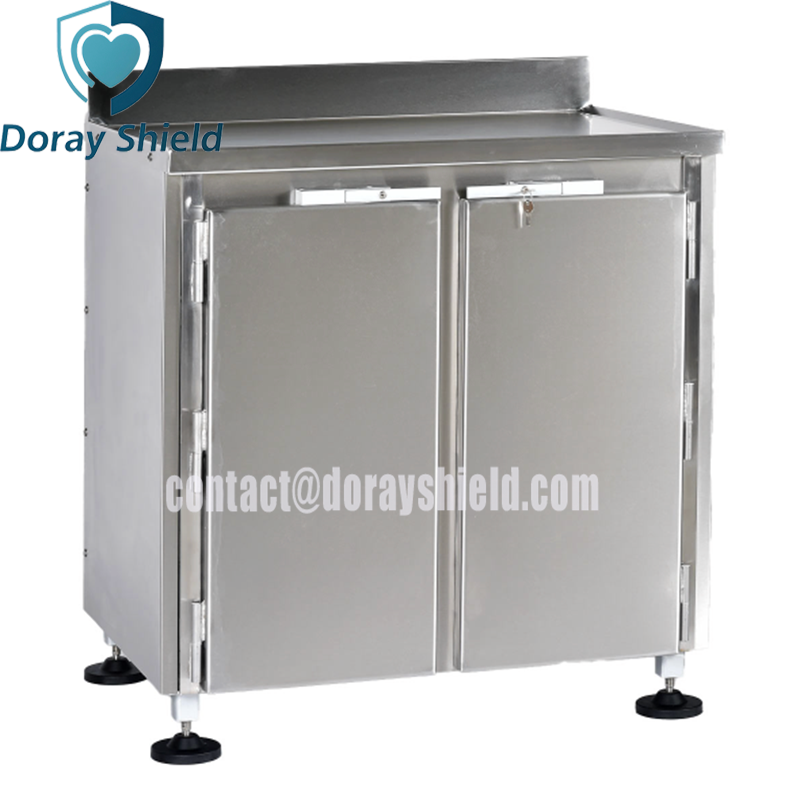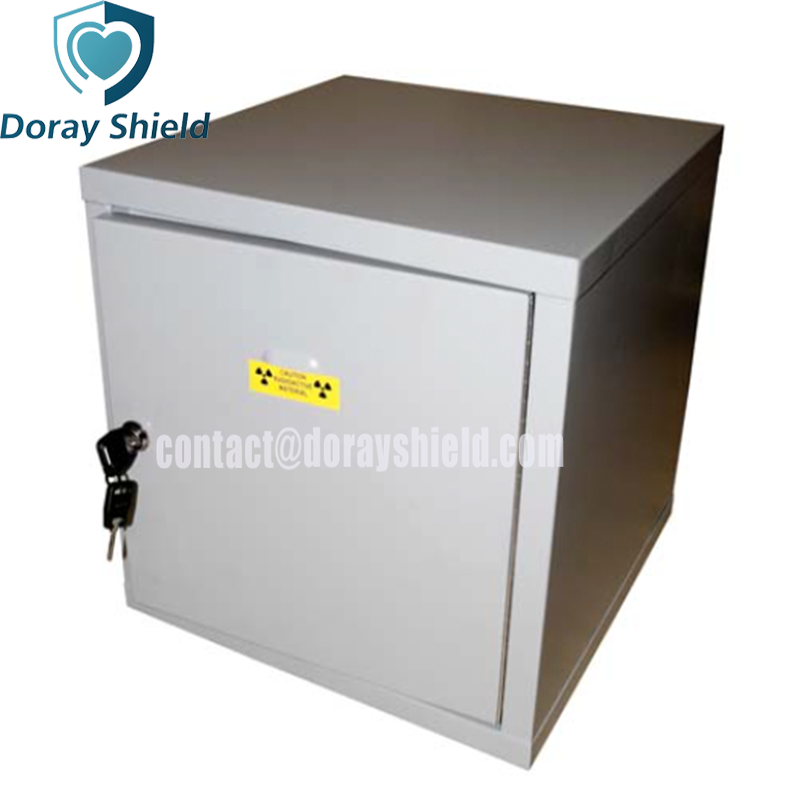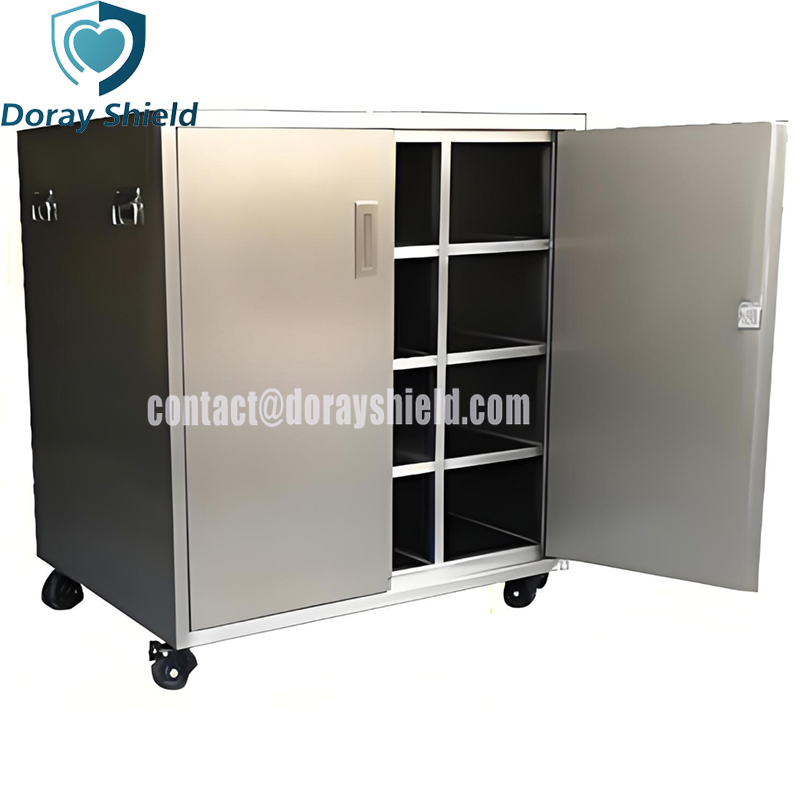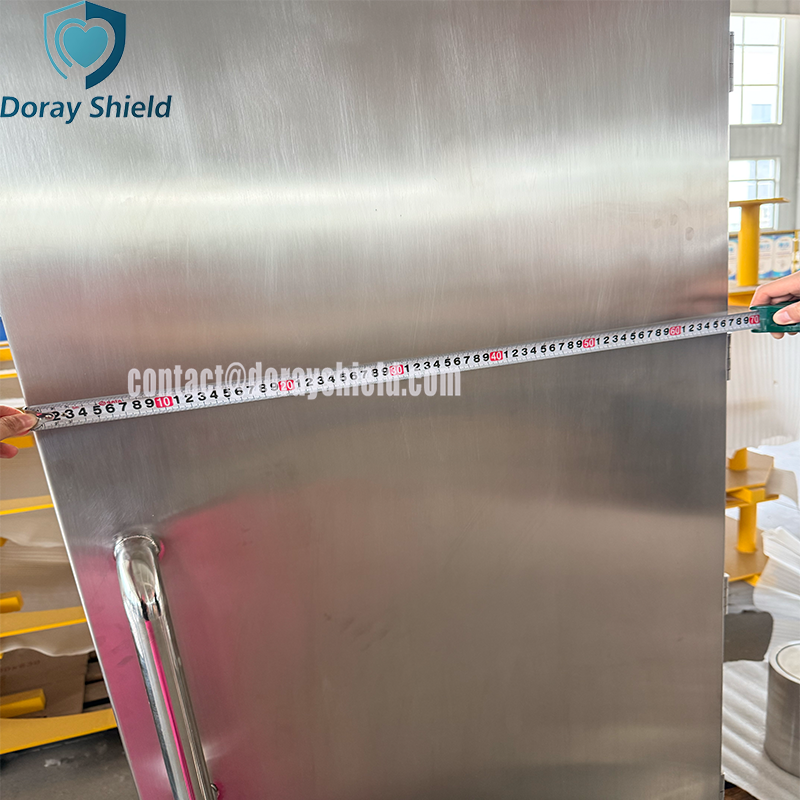
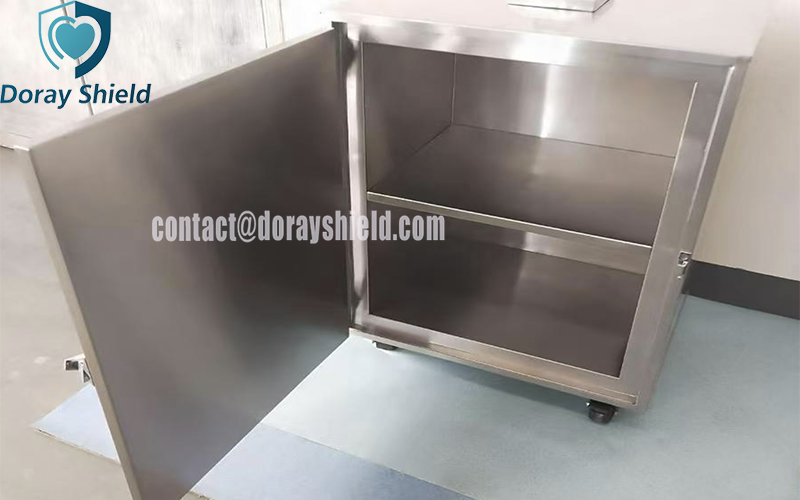
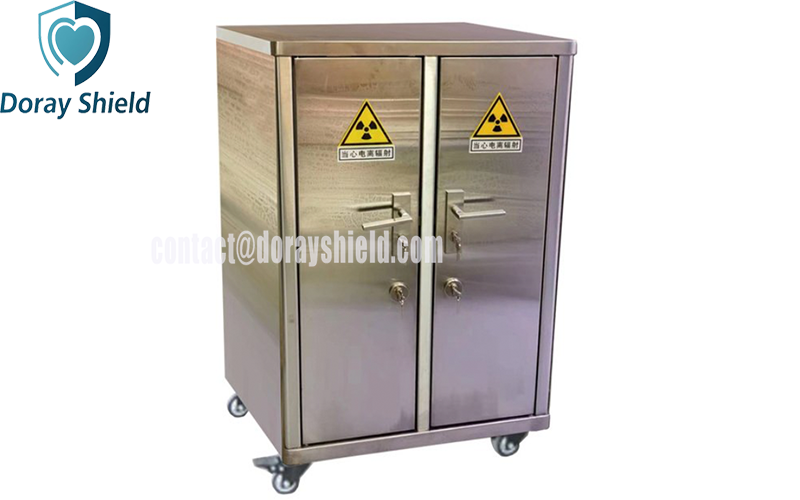
The shielded stainless steel lead cabinet is a high-density radiation protection unit designed specifically for storing radioactive sources and radiopharmaceuticals or for conducting nuclear medicine procedures. The outer casing is typically constructed from high-quality 304 or 316L stainless steel sheeting. The surface undergoes polishing or a brushed finish, ensuring an aesthetically pleasing and durable exterior that is easy to disinfect and sterilize, thereby meeting GMP cleanroom standards. Certain custom models may feature a powder-coated steel finish instead. The interior is lined with high-purity lead sheeting (lead content ≥99.994%). With a density of 11.34 g/cm³, the lead effectively blocks ionizing radiation such as X-rays and gamma rays. The lead lining is installed to ensure a defect-free surface—devoid of pinholes, air bubbles, or inclusions—with thickness customized according to the required radiation shielding equivalent (ranging from 2mm Pb to 70mm Pb). Combining the corrosion resistance and ease of cleaning of stainless steel with the high-density shielding capabilities of lead, this equipment is widely used in hospital nuclear medicine departments, radiotherapy centers, industrial non-destructive testing facilities, and scientific research laboratories.
Nuclear Medicine and Hospitals: Used for storing radioactive isotopes such as Technetium-99m and Iodine-131, as well as radioactive waste like syringes and medicine vials.
Industrial Testing: Used to store radioactive sources—such as Ir-192 and Se-75—employed in industrial flaw detection, ensuring radiation safety during non-operational periods.
Laboratory Research: Serves as a container for the pre-treatment, dispensing, and temporary storage of radioactive samples; often integrated with negative-pressure exhaust systems and HEPA filters to prevent the spread of radioactive aerosols.
Regular Cleaning: Wipe stainless steel surfaces weekly with a disinfectant to maintain hygiene.
Seal Integrity Check: Inspect the edges of the lead glass, door seals, and welded joints monthly to prevent radiation leakage.
Professional Testing: It is recommended that a professional agency conduct comprehensive testing of radiation shielding effectiveness and negative-pressure seal integrity every six months to ensure compliance with ICRP radiation safety standards and relevant national standards (such as GBZ/T 201.2).
Consumable Replacement: If a filtration system is installed, replace the filter every 3–6 months—depending on usage frequency—and verify filtration efficiency.
Delivery is prompt!
By 10-year industry experts!
Diverse payment methods available!
Unbeatable cost performance!