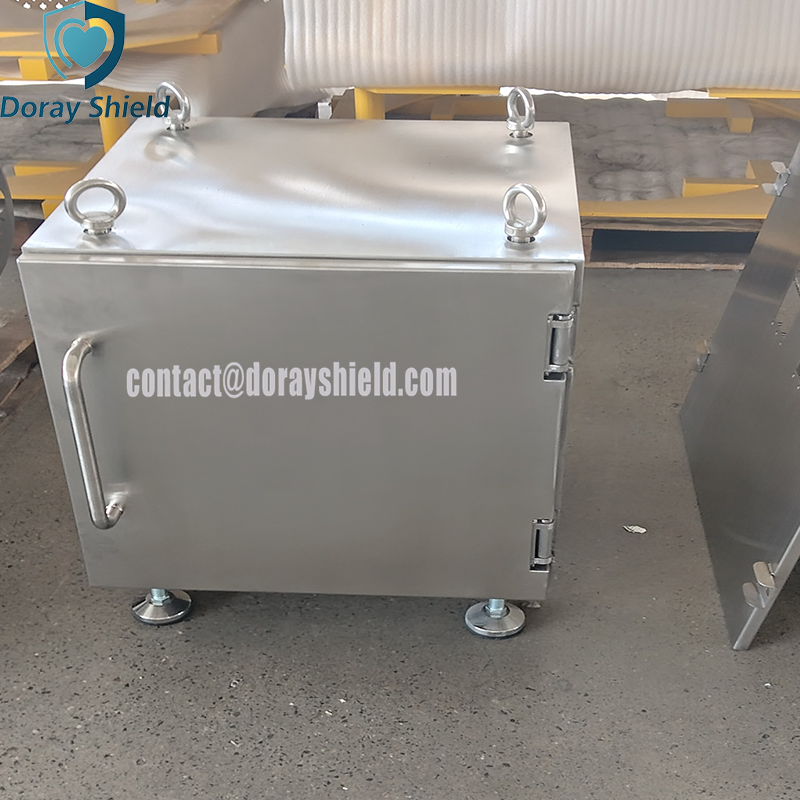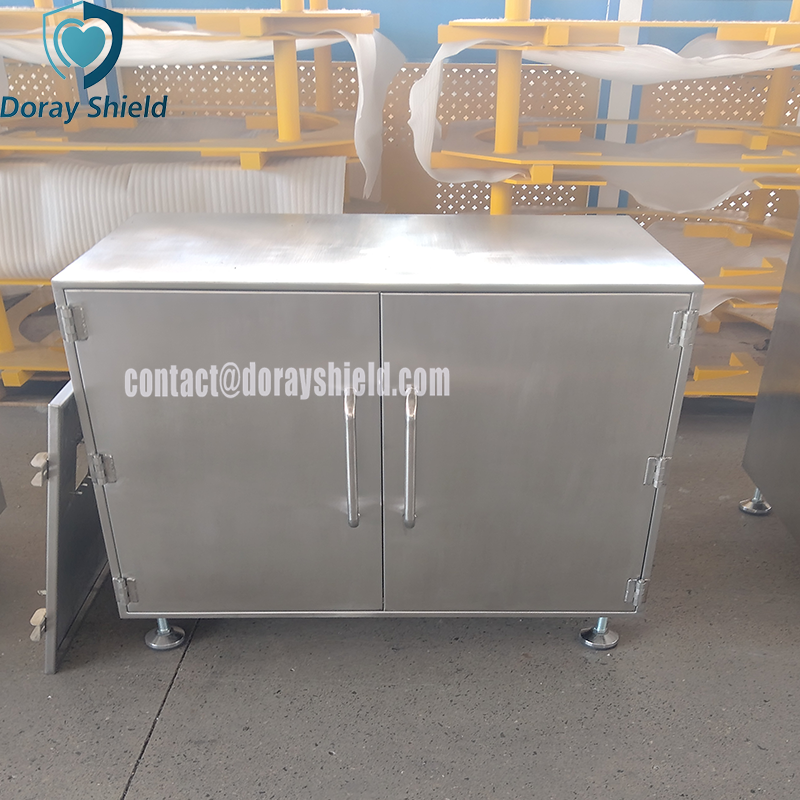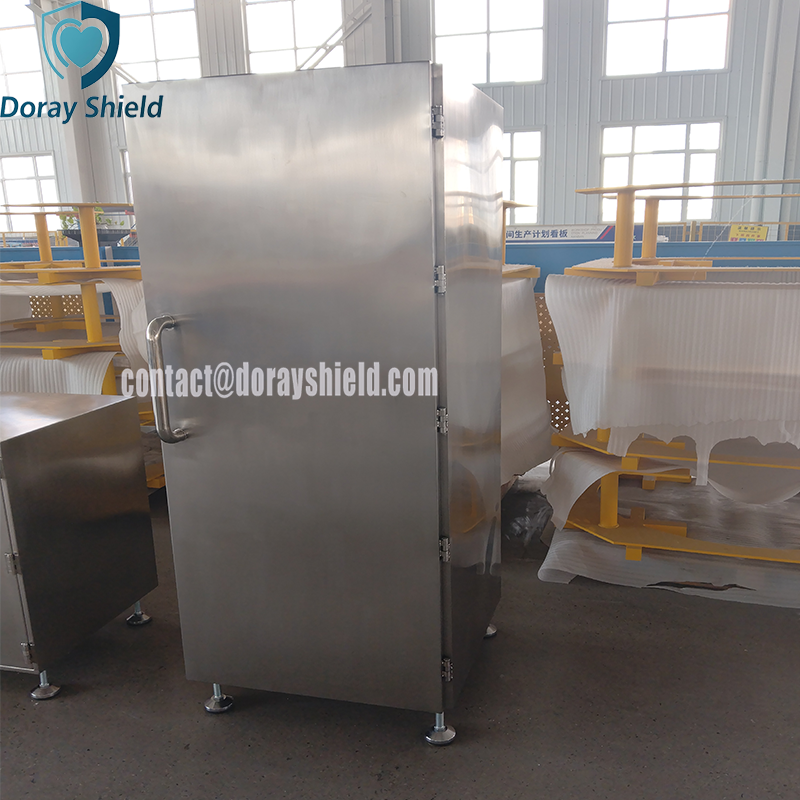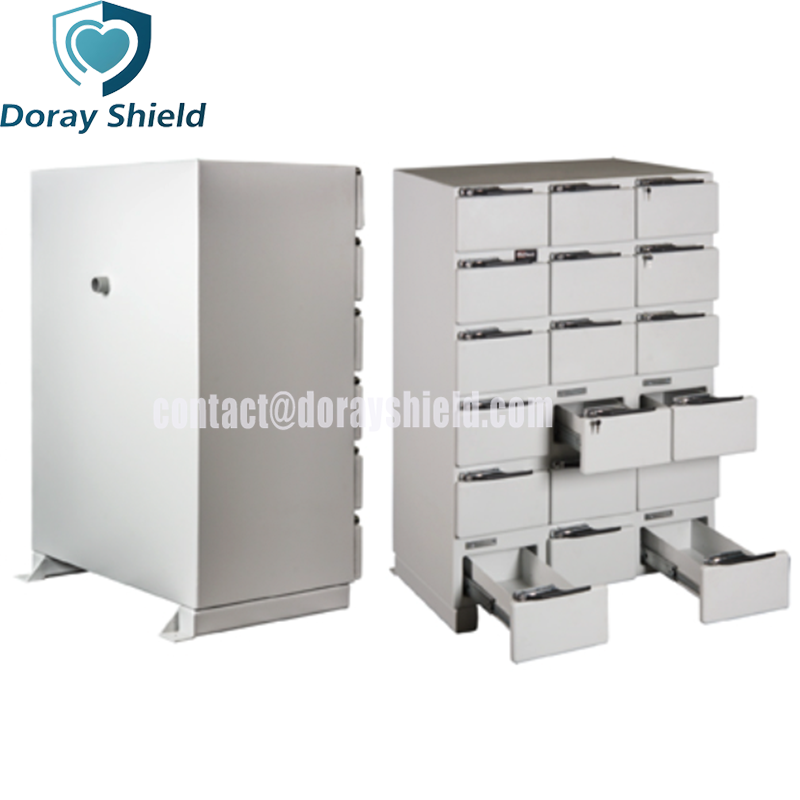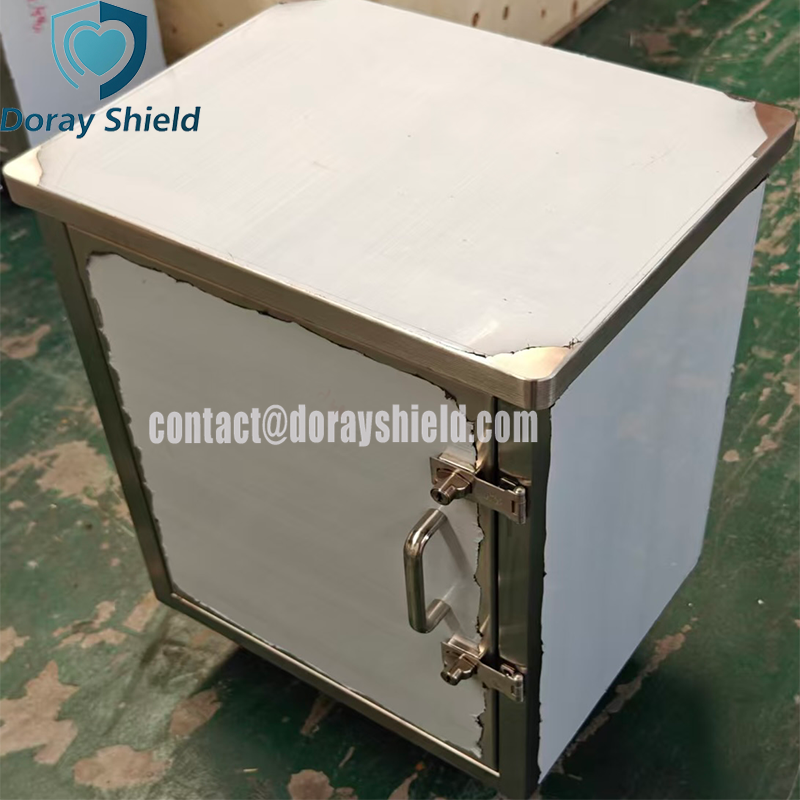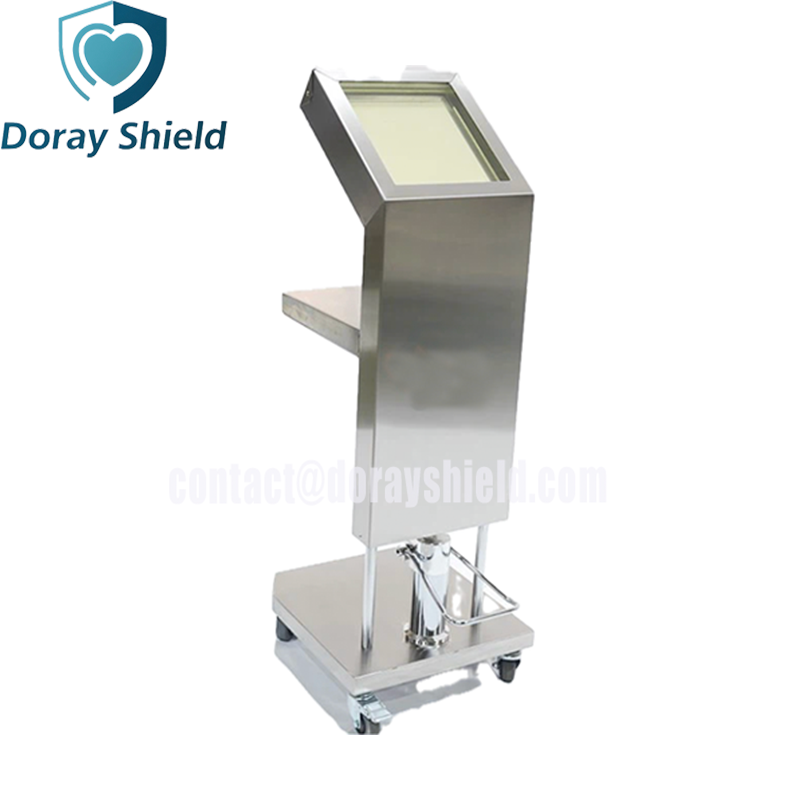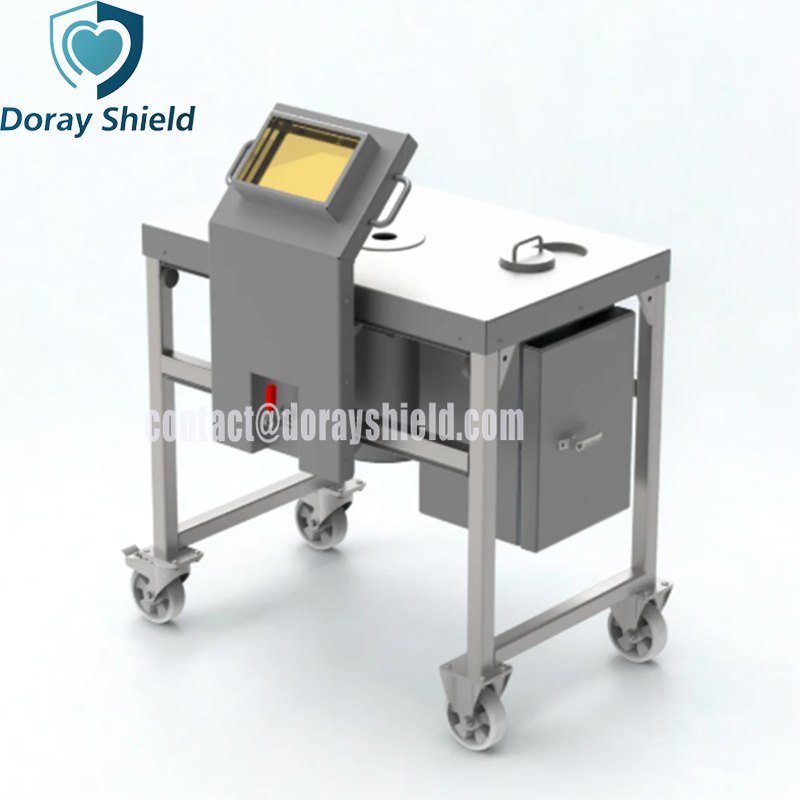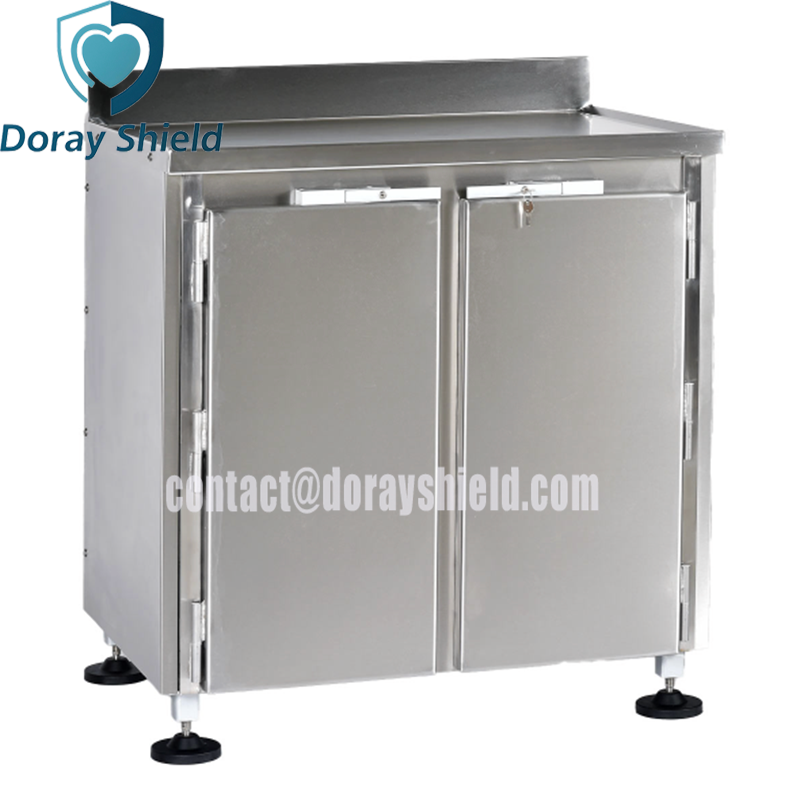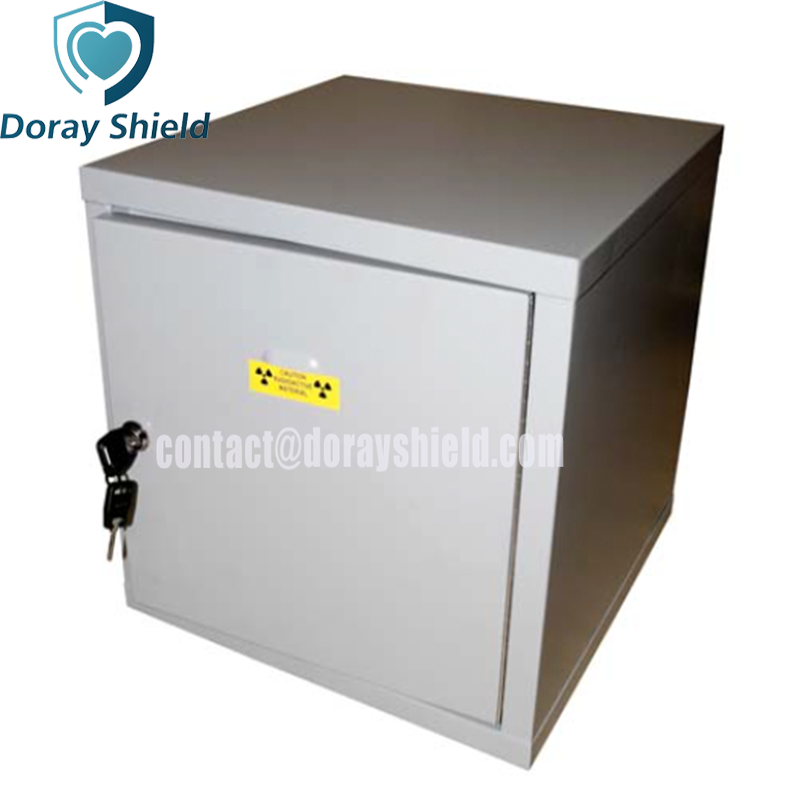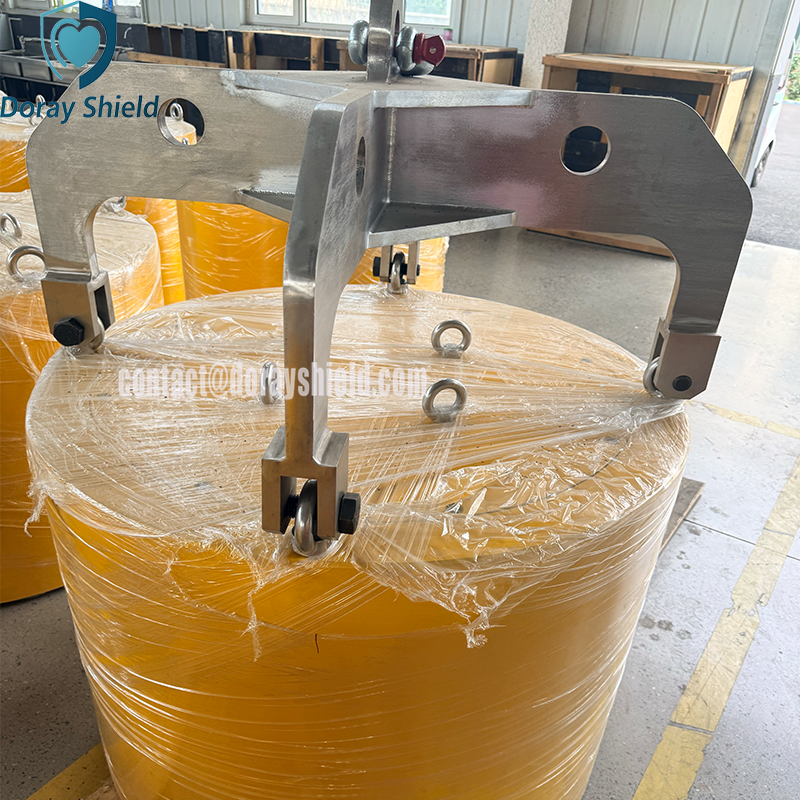
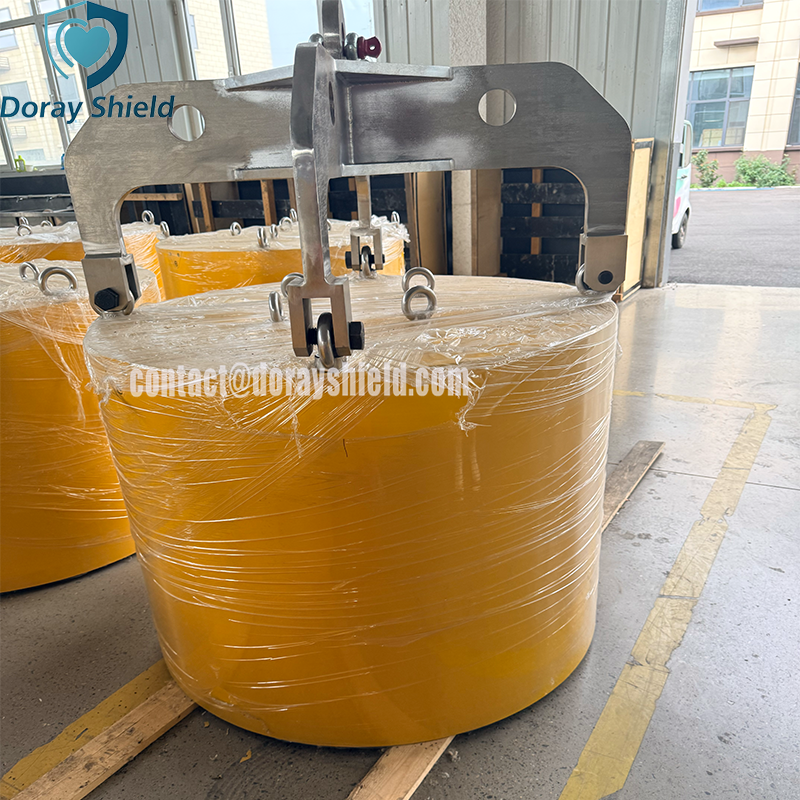
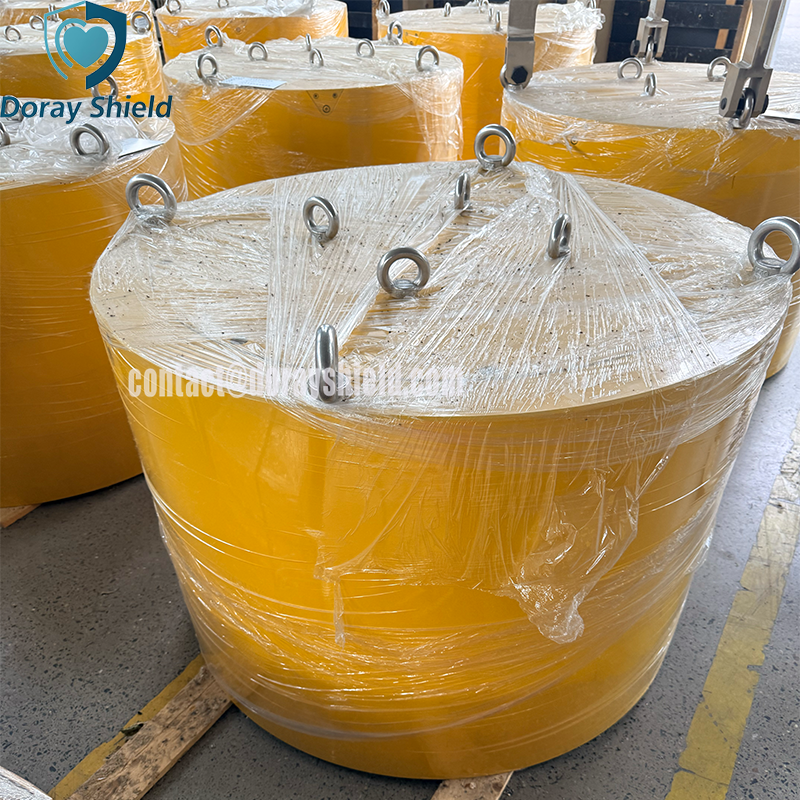
Nuclear industry lead shielded decay drums (commonly known as radioactive waste decay drums) are specialized protective containers designed for solid radioactive waste with short half-lives. Their primary function is not to "destroy" the waste but to block radiation via lead shielding and provide a secure space for radionuclides to decay naturally to background levels, after which the waste can be disposed of as ordinary refuse. These are multi-layered composite containers featuring high-purity lead as the main shielding component, used for the temporary storage of solid waste contaminated with radionuclides—such as cotton swabs, syringes, and medicine vials. They utilize the high density of lead to absorb gamma and X-rays, keeping the external dose rate within safe limits (typically <2.5 μSv/h); waste is stored temporarily in accordance with the "10 half-lives" principle, with regulatory controls lifted only after activity has decayed to harmless levels. The outer shell is constructed from 304 stainless steel or cold-rolled anti-corrosion steel plate, offering rust and impact resistance. The interior features a solid lead plate or lining ranging from 1 to 10 mm (or thicker); the lead equivalent must be customized to the specific radionuclide energy (e.g., waste containing I-131 requires ≥6–10 mm Pb). The lid employs a labyrinth-style seal to prevent leakage through gaps, and standard models feature a foot-operated opening mechanism to avoid hand contact; the base is equipped with locking swivel casters, and the empty drum weighs between 30 and 150 kg. The drum body must display an ionizing radiation warning symbol and clearly indicate the radionuclide type, sealing date, and estimated date for the lifting of controls.
Dedicated Containers: Different radionuclides must be stored separately to prevent cross-contamination, which could lead to errors in calculating decay periods.
Leak Prevention and Maintenance: Regularly inspect the integrity of the inner liner to prevent acidic waste from corroding the lead layer and compromising shielding effectiveness.
Not for Long-Term Storage: This equipment is intended only for short- to medium-term decay; high-activity or long-lived waste must be handed over to professional facilities for disposal.
Delivery is prompt!
By 10-year industry experts!
Diverse payment methods available!
Unbeatable cost performance!