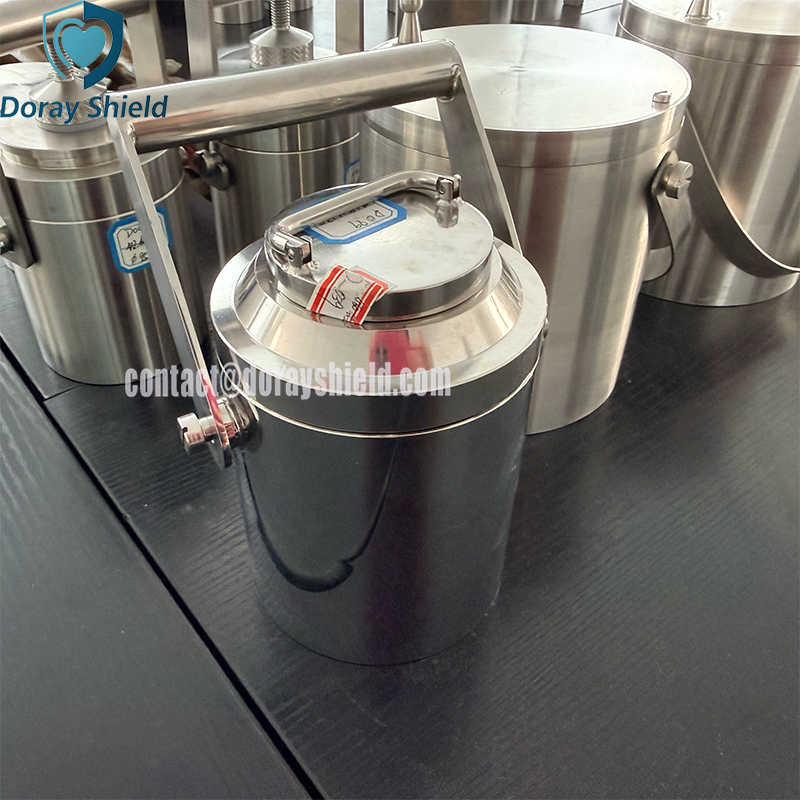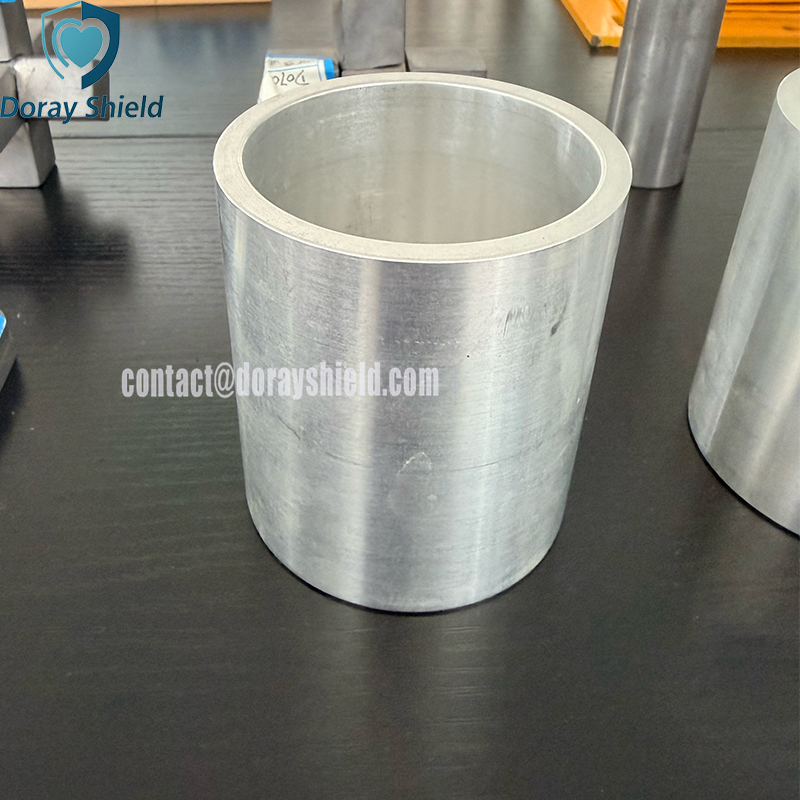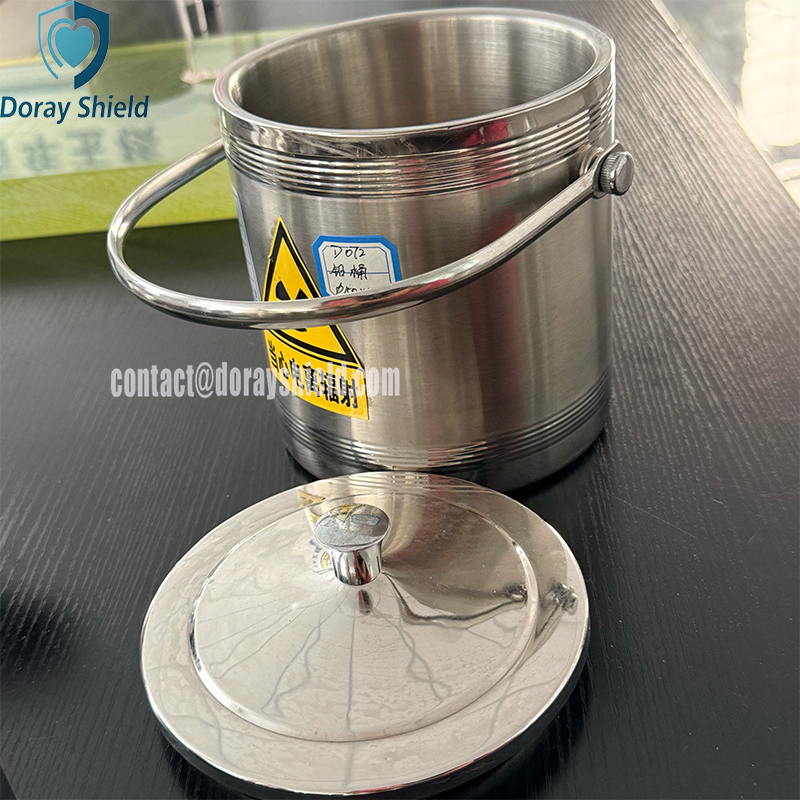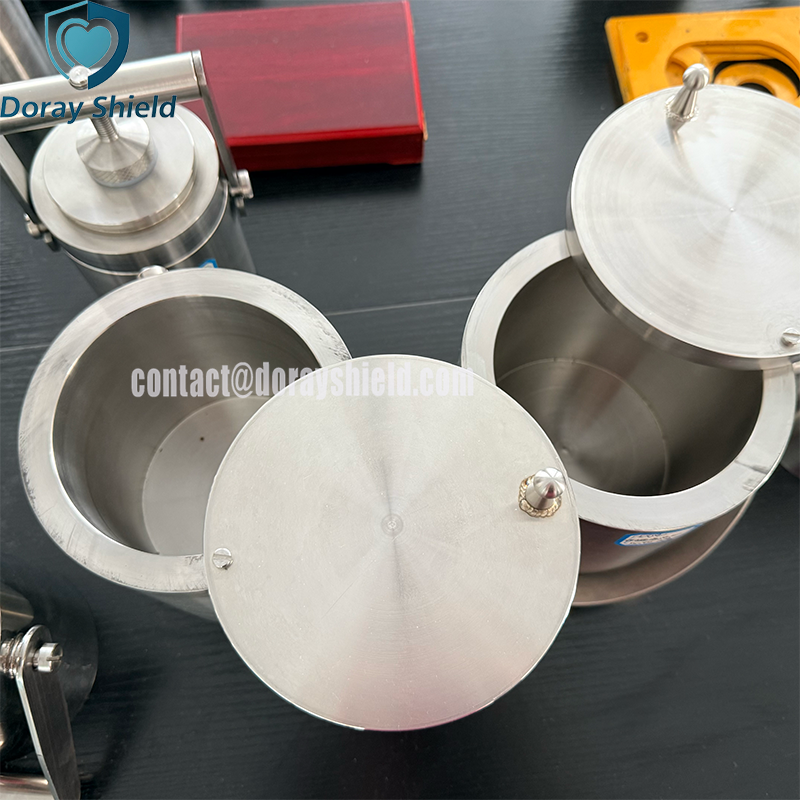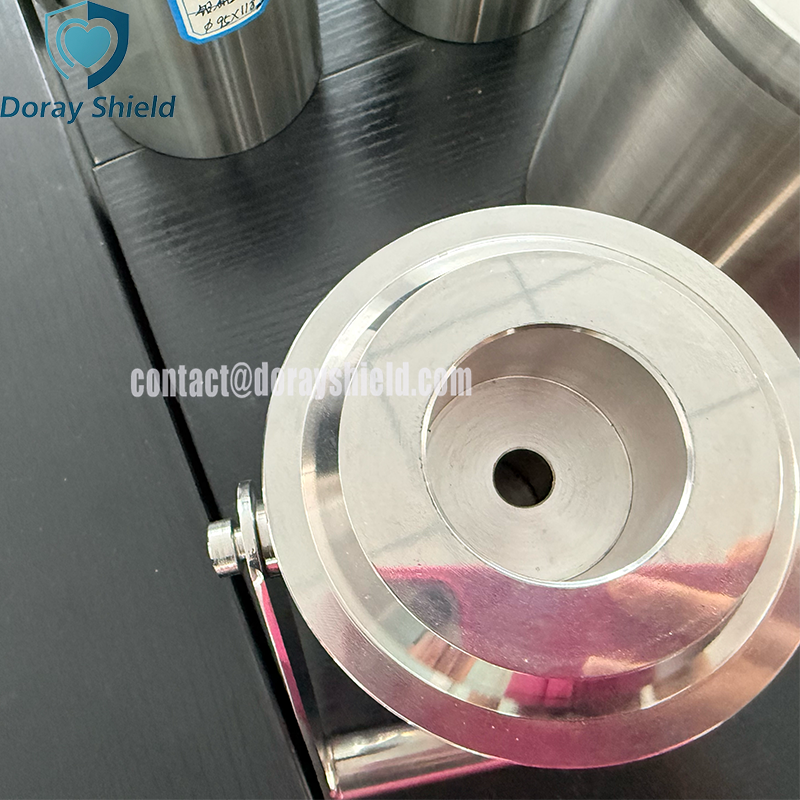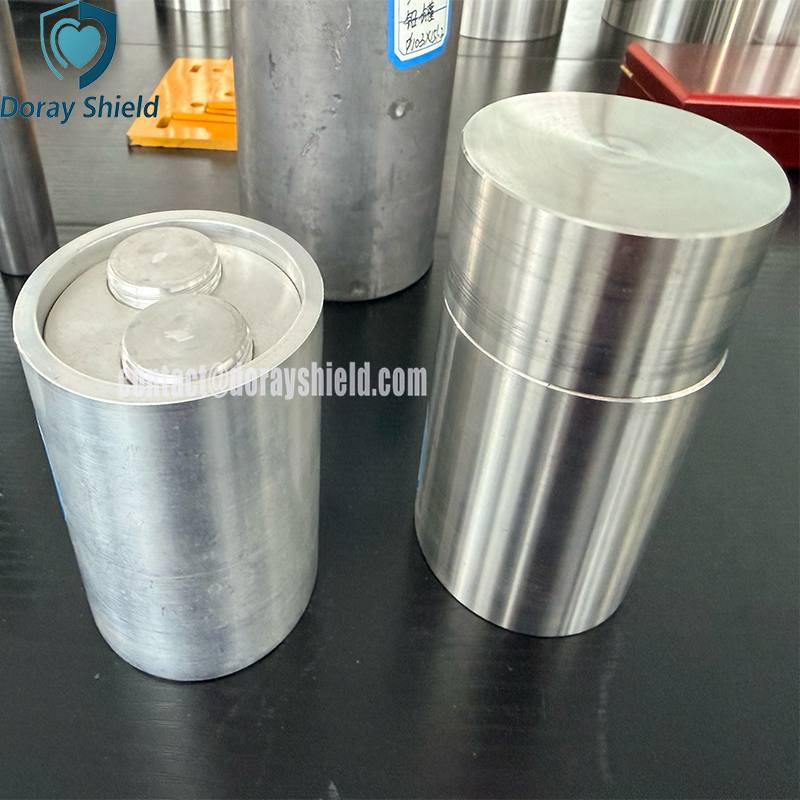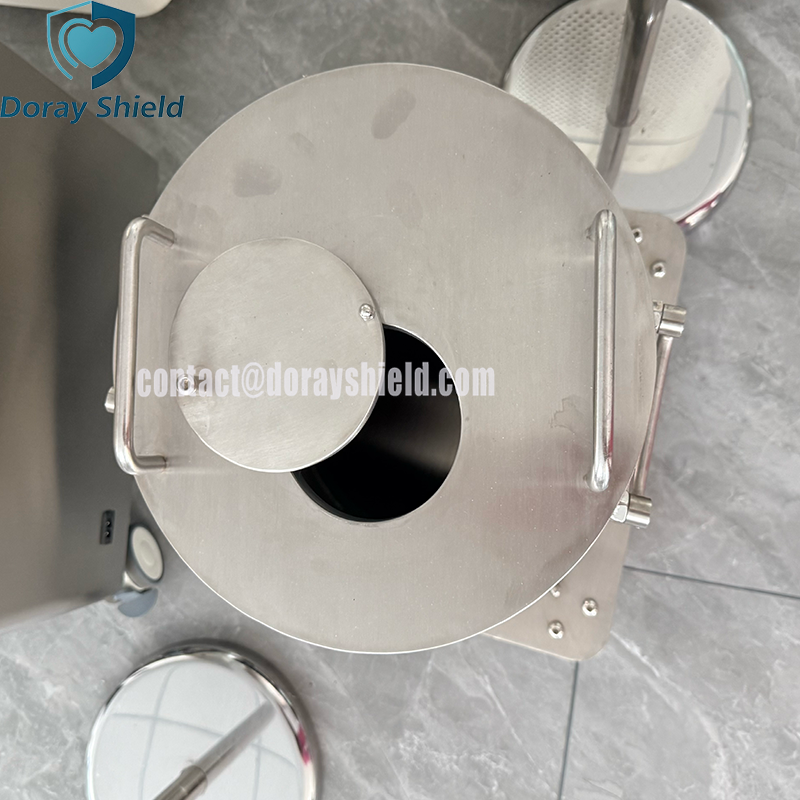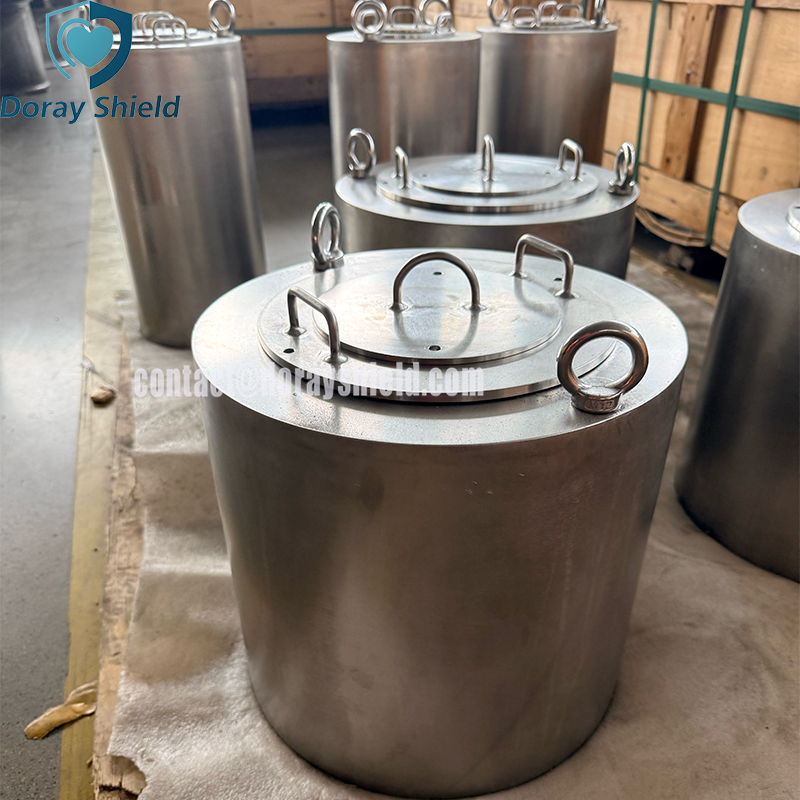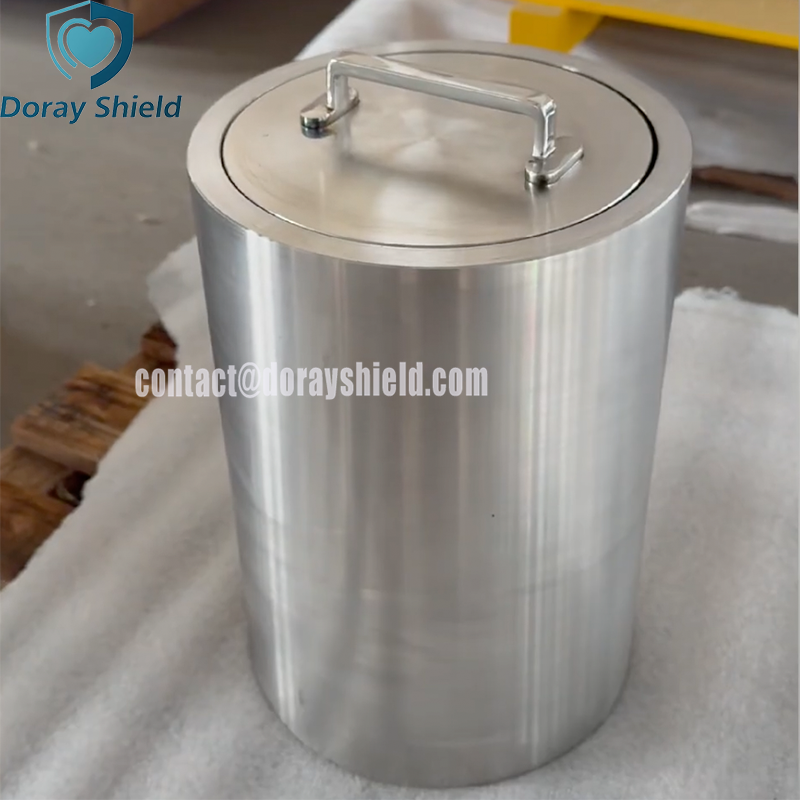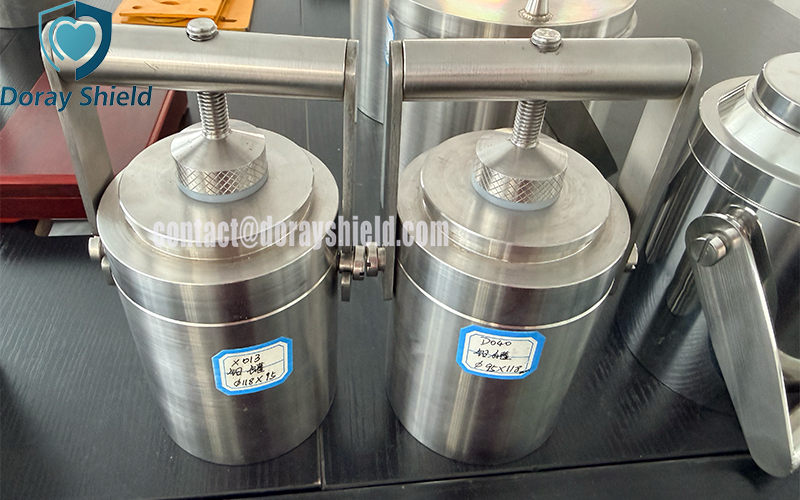
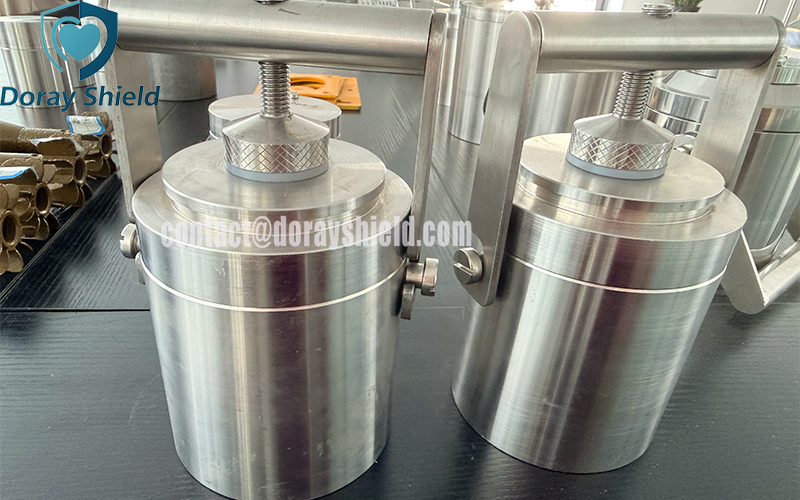
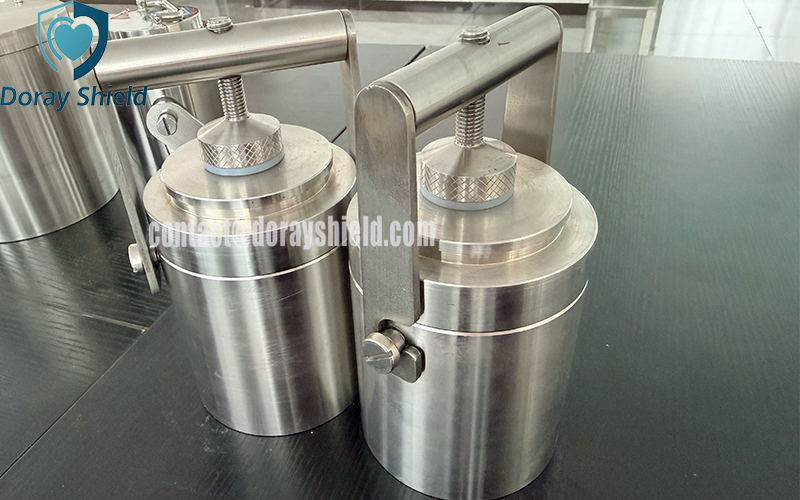
The shielded leadpots for radioactive sources—commonly referred to in the industry as "lead pigs" or "mobile nuclear fortresses"—are critical protective devices used for the safe transport, short-term storage, and handling of radioactive isotopes. Their radiation-shielding effectiveness relies primarily on the high density and high atomic number of lead; as X-rays or gamma rays penetrate the lead layer, photons interact with the electrons of lead atoms—undergoing complete absorption via the photoelectric effect or energy loss through Compton scattering—thereby significantly attenuating radiation intensity. The radiation dose rate decreases exponentially as the thickness of the shielding material increases. The container's core function is to utilize high-density material to absorb and attenuate ionizing radiation, ensuring that the radioactive source remains safely isolated from the external environment after leaving fixed shielding facilities, thereby protecting personnel, the public, and the environment from radiation hazards.
Shielding Material | Lead and Stainless Steel |
Density | 11.34g/cm3 |
Shielding Thickness | 2-6mm |
Lead Equivalent | 10-40mmpb |
Capacity | 10ml-30ml |
Diameter | 50-200mm |
Height | 120-350mm |
Delivery time | 15-20 days |
Standard | ASTM, GB |
Certification | ISO 9001 |
Given the toxicity of lead and associated environmental concerns, the industry is gradually exploring alternative solutions:
Tungsten Alloy Applications: Tungsten alloys offer densities exceeding 18 g/cm³ and superior shielding performance compared to lead while being non-toxic; despite higher costs, they are becoming increasingly common in medical and high-end industrial sectors.
Composite Materials: Development of composite shielding structures—combining heavy metals with neutron-absorbing materials such as boron-loaded polyethylene—to address mixed radiation fields.
Delivery is prompt!
By 10-year industry experts!
Diverse payment methods available!
Unbeatable cost performance!