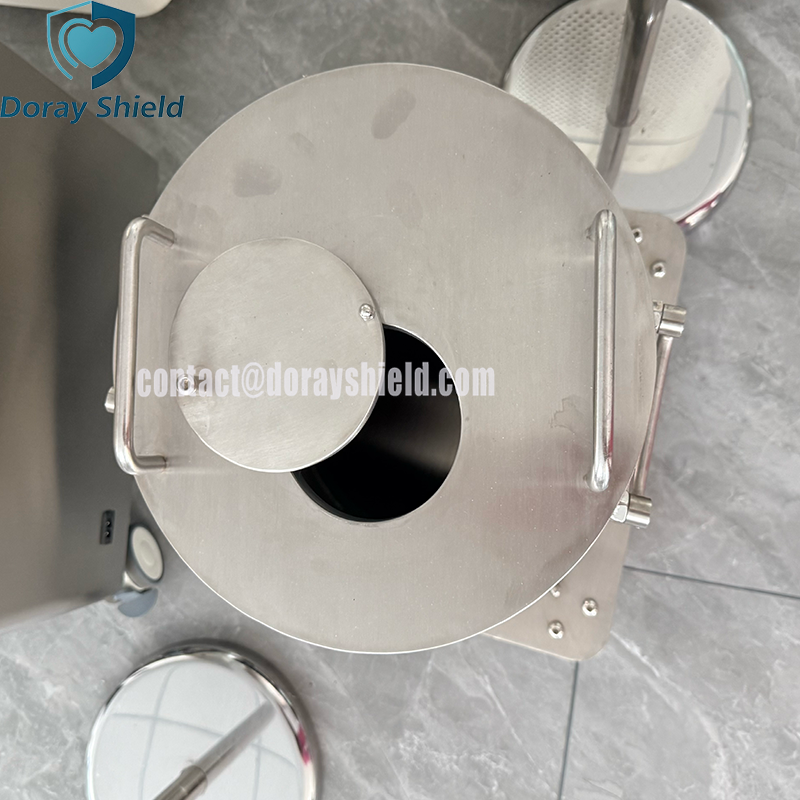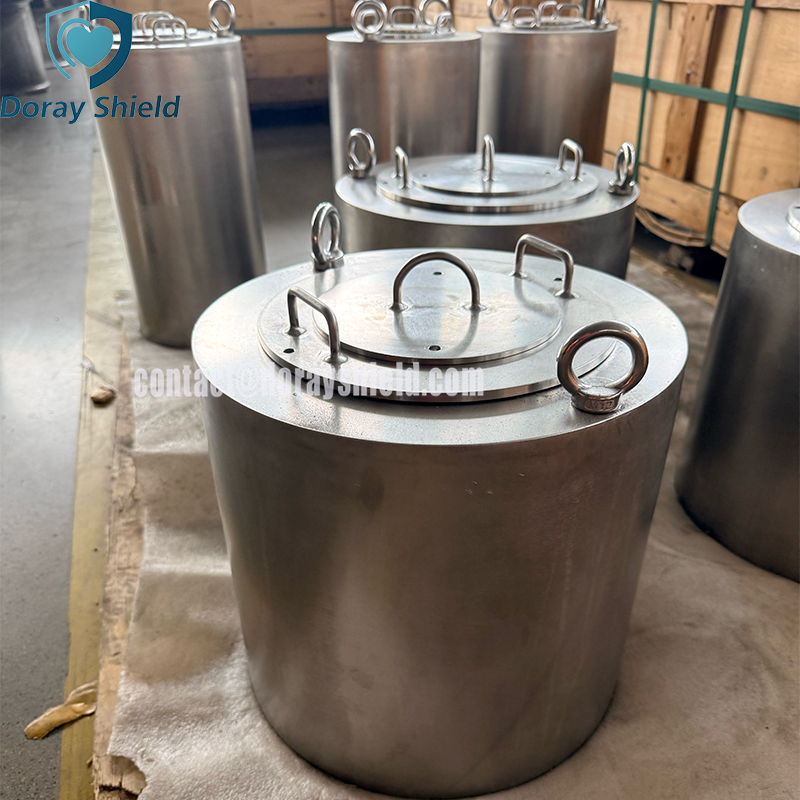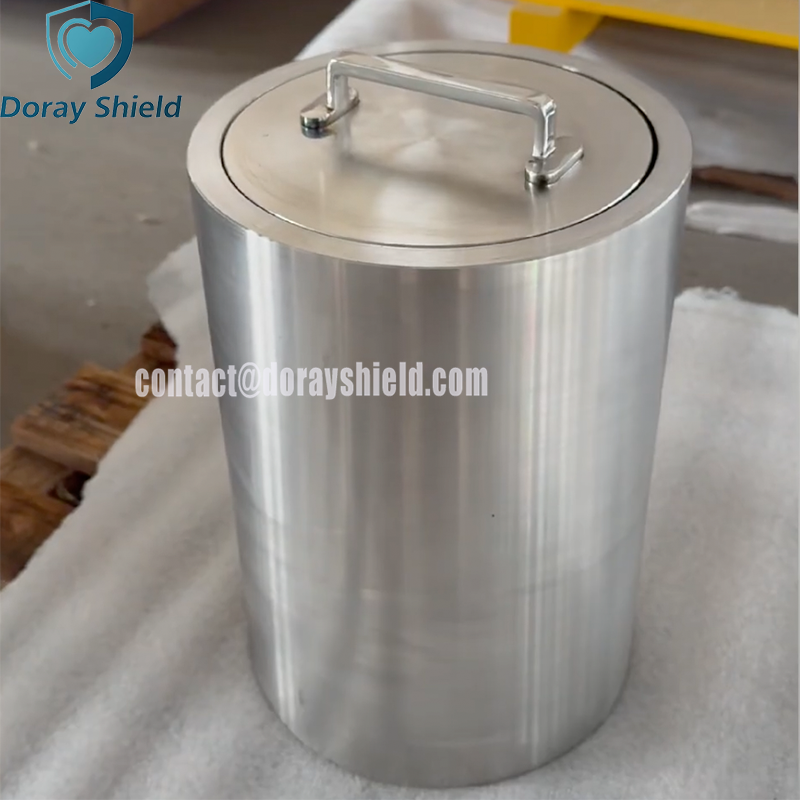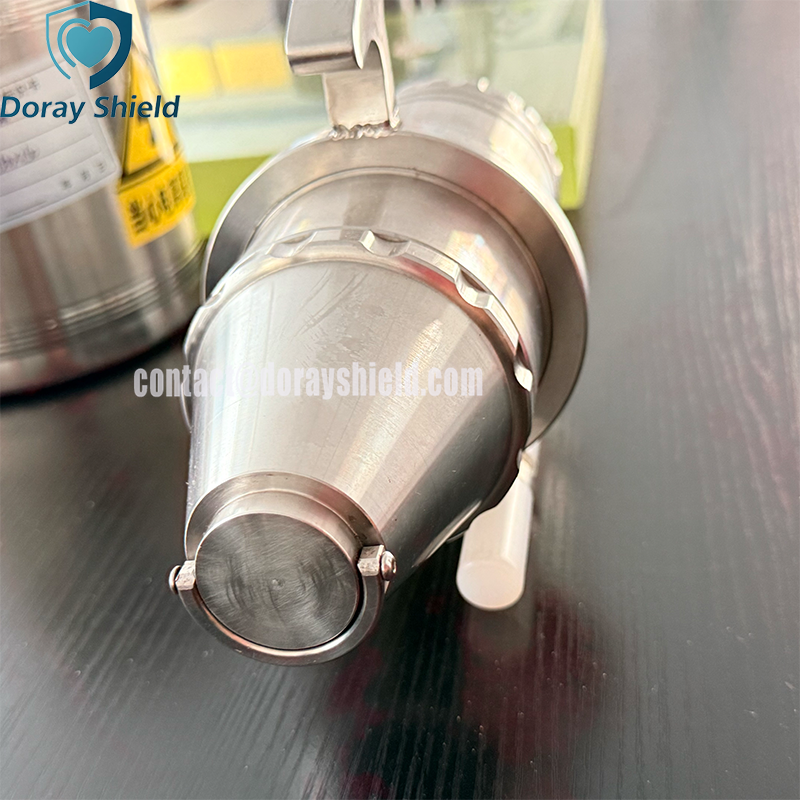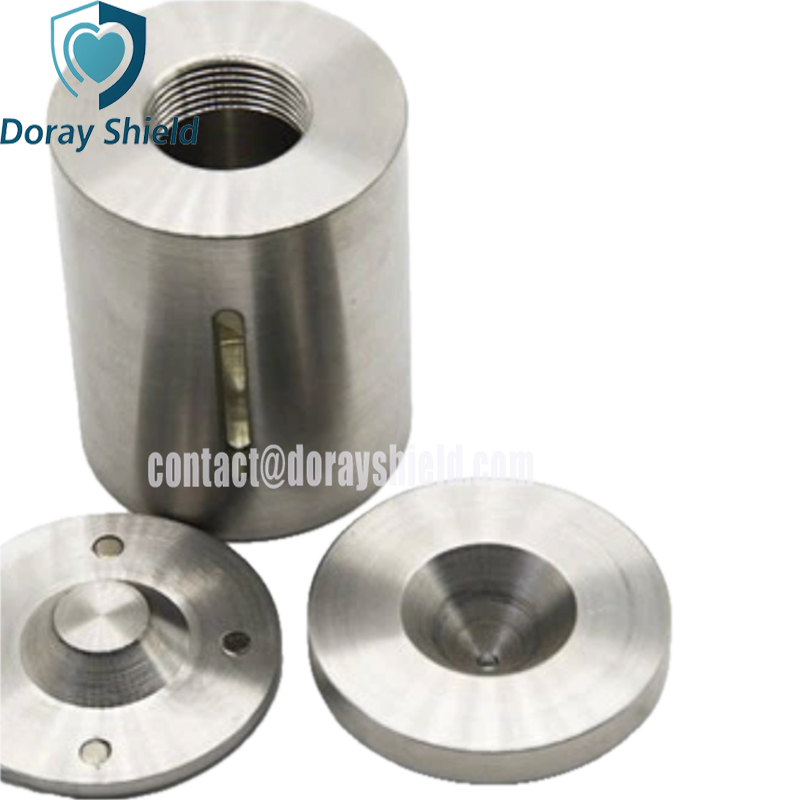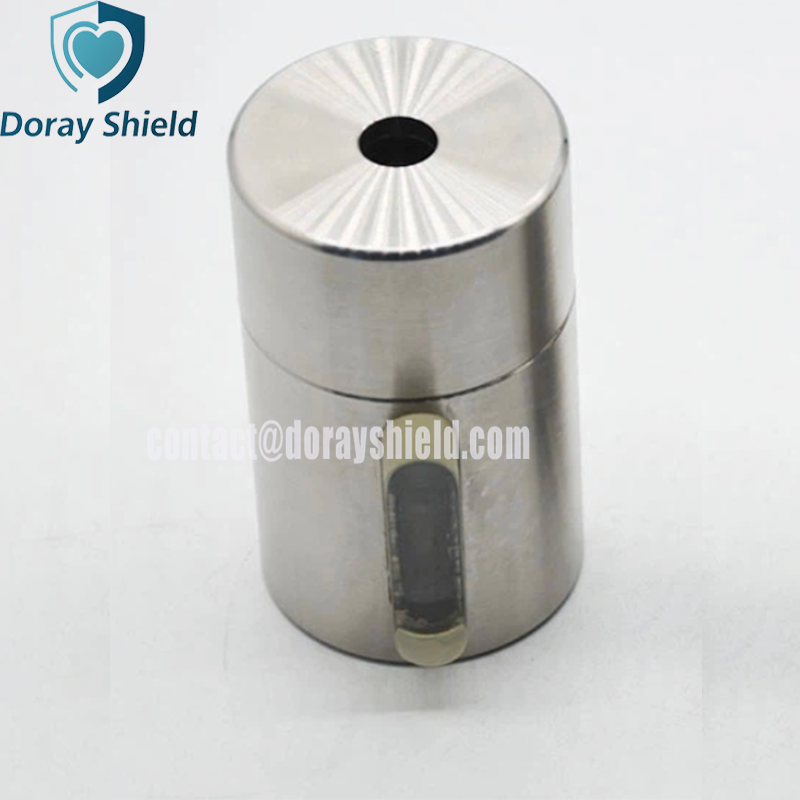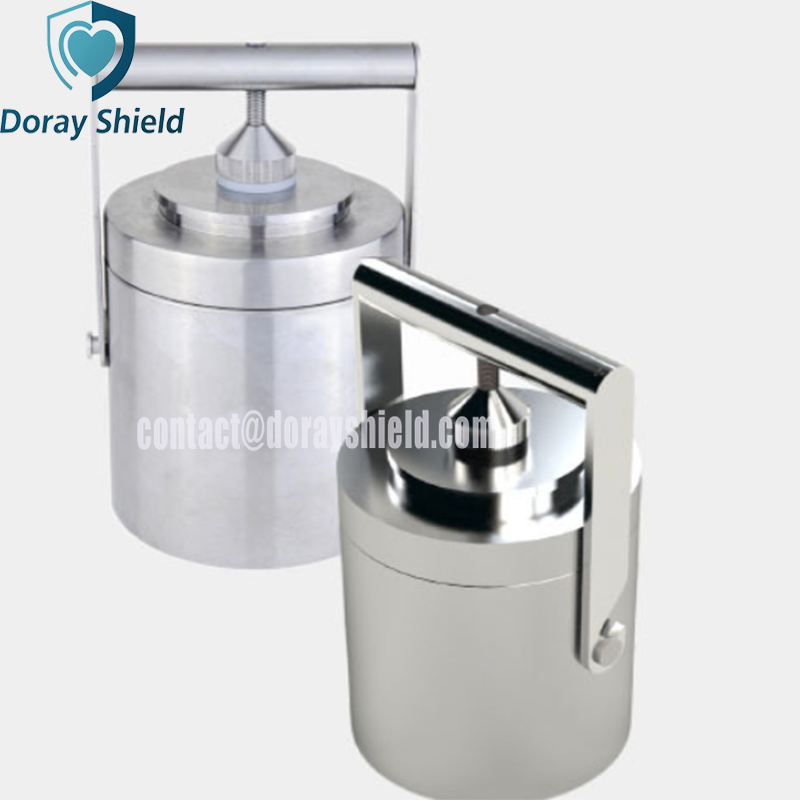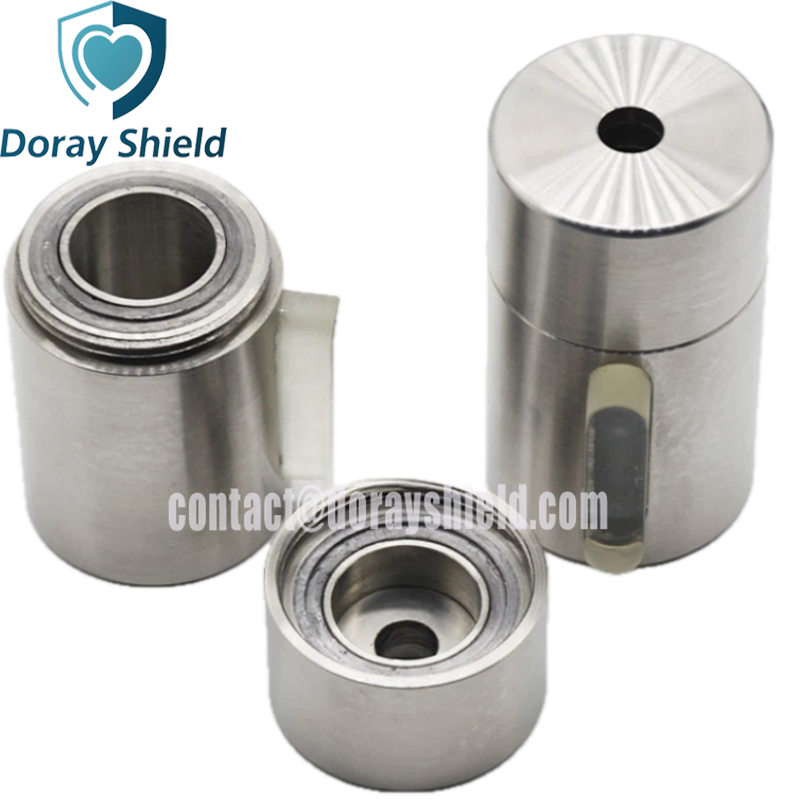
Technetium-99m (Tc-99m) is the most widely used radioisotope in nuclear medicine diagnostics, primarily employed in single-photon emission computed tomography (SPECT). The gamma-ray energy of Tc-99m is 140 keV, classifying it as a low-energy gamma emitter. Compared to high-energy radionuclides (such as Fluorine-18 at 511 keV or Iodine-131 at 364 keV), Tc-99m imposes relatively lower requirements on shielding materials. The lead equivalence of standard medical lead shielding containers typically ranges from 5 mm Pb to 10 mm Pb. Due to the low energy of its emitted gamma rays (140 keV) and its short half-life (approximately 6 hours), the lead-shielded containers required for its storage, transport, and handling are subject to specific engineering design and radiation protection standards. Often referred to as "lead boxes," "lead pigs," or "source containers," these vessels serve as critical physical barriers that ensure the radiation safety of medical personnel and prevent the spread of radioactive contamination.
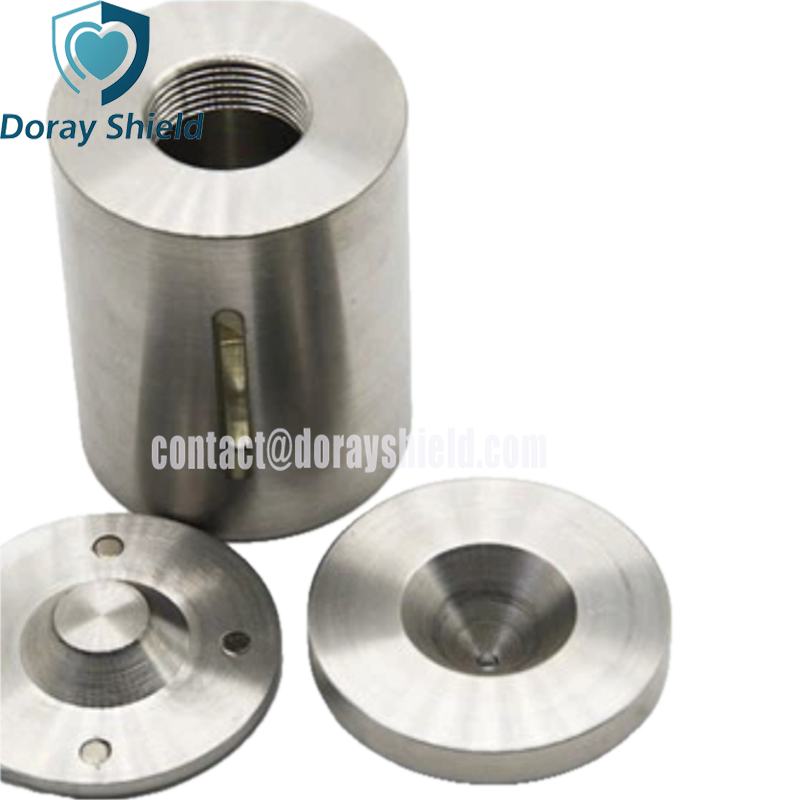
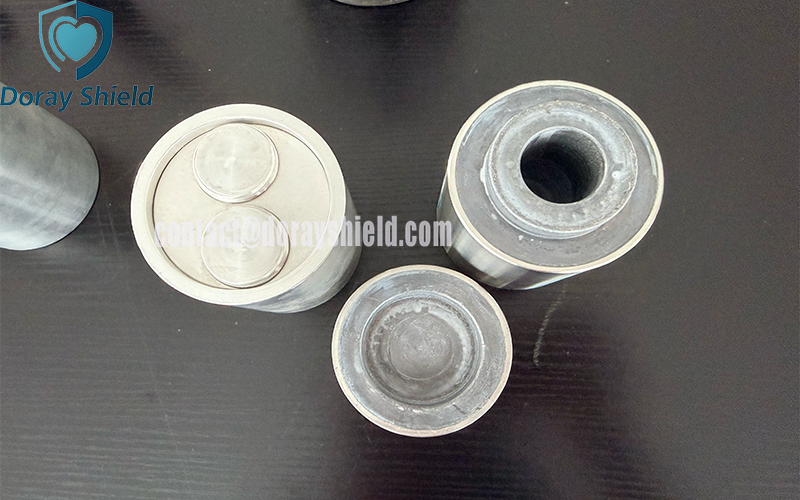
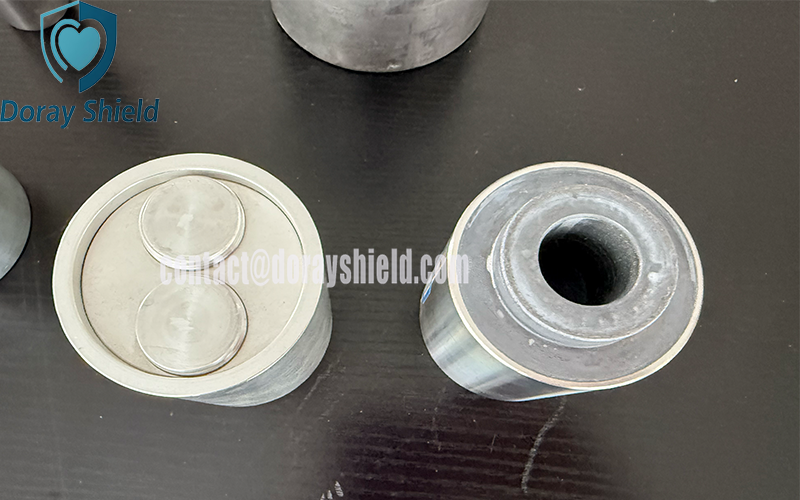
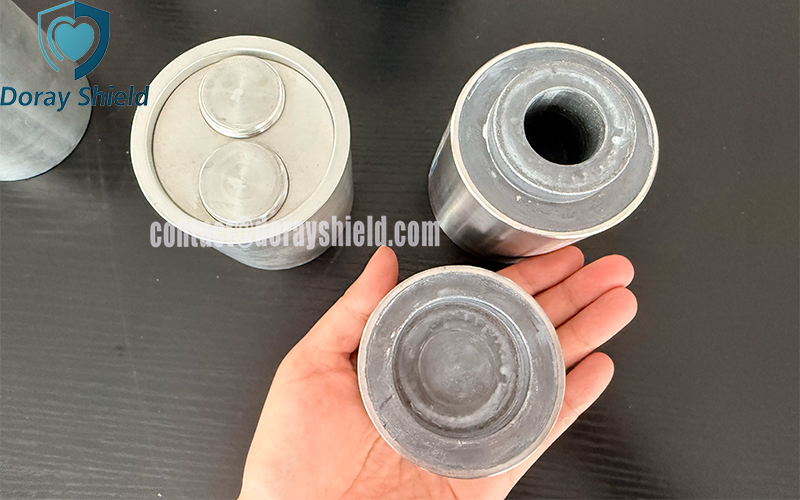
Modern medical lead shielding containers are not merely solid blocks of lead but highly engineered composite systems:
Shielding Body: Cast or pressed from high-purity lead (Pb > 99.99%). Small containers typically feature a solid lead core lined with stainless steel to prevent the contents from corroding the lead; large transport casks often utilize a steel-encased lead structure, where the outer carbon steel layer provides impact resistance and the inner lead layer provides shielding.
Internal Positioning Fixtures: The container interior is equipped with precision slots or cushioning pads to secure vials or syringes, ensuring the radioactive source remains at the geometric center (where shielding is thickest) and preventing movement during transport that could cause glass breakage or source displacement.
Sealing and Leak Prevention: The lid is designed for a tight, secure fit; some high-end models feature labyrinth-style channels or rotating shielding plugs to ensure that radiation is not directed at the operator when the container is opened.
Time, Distance, and Shielding: Maximize the shielding benefits of the lead container during operations; minimize exposure time and use long-handled tools to increase distance.
Two-Person Verification: A two-person operational protocol is required for source retrieval, loading, and waste disposal; one person performs the task while the other supervises and monitors radiation levels.
Periodic Inspection: Before each use, scan the surface and seams of the lead container with a portable dosimeter to ensure there are no abnormal radiation spikes; conduct a comprehensive shielding effectiveness assessment annually or biennially to prevent shielding failure caused by aging or deformation.
Delivery is prompt!
By 10-year industry experts!
Diverse payment methods available!
Unbeatable cost performance!