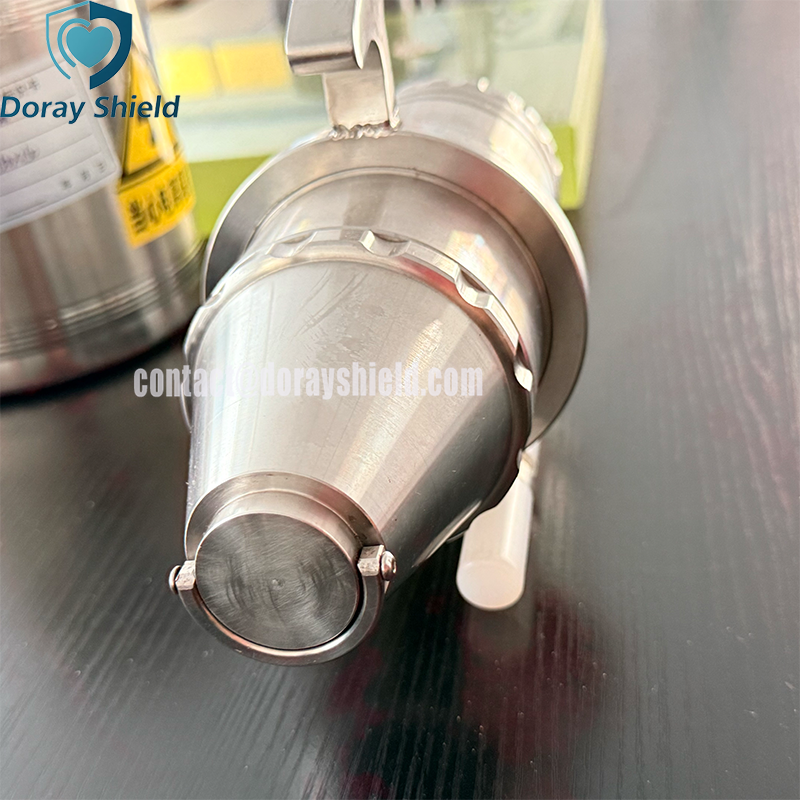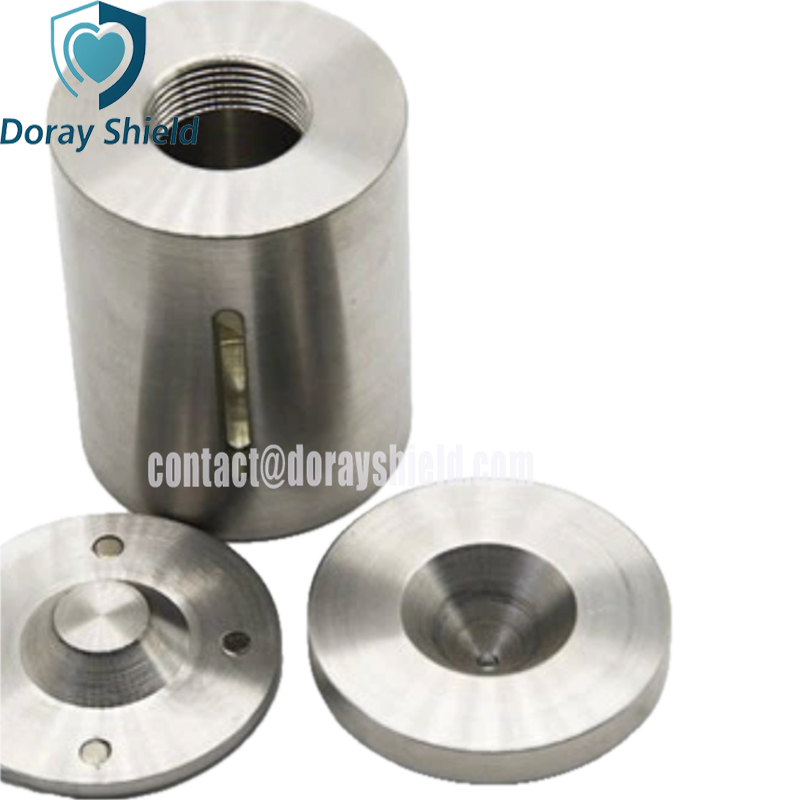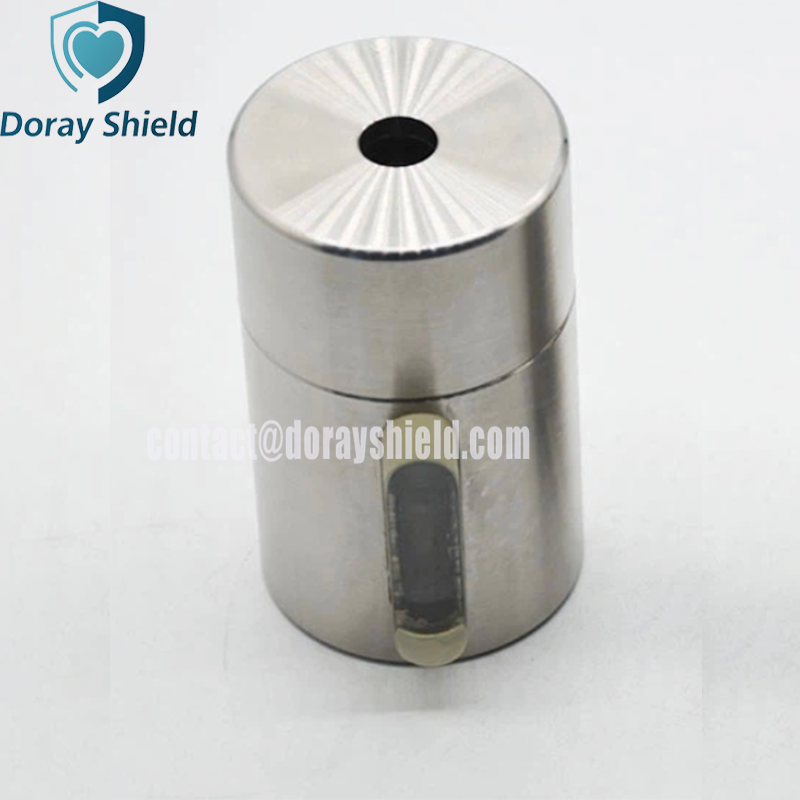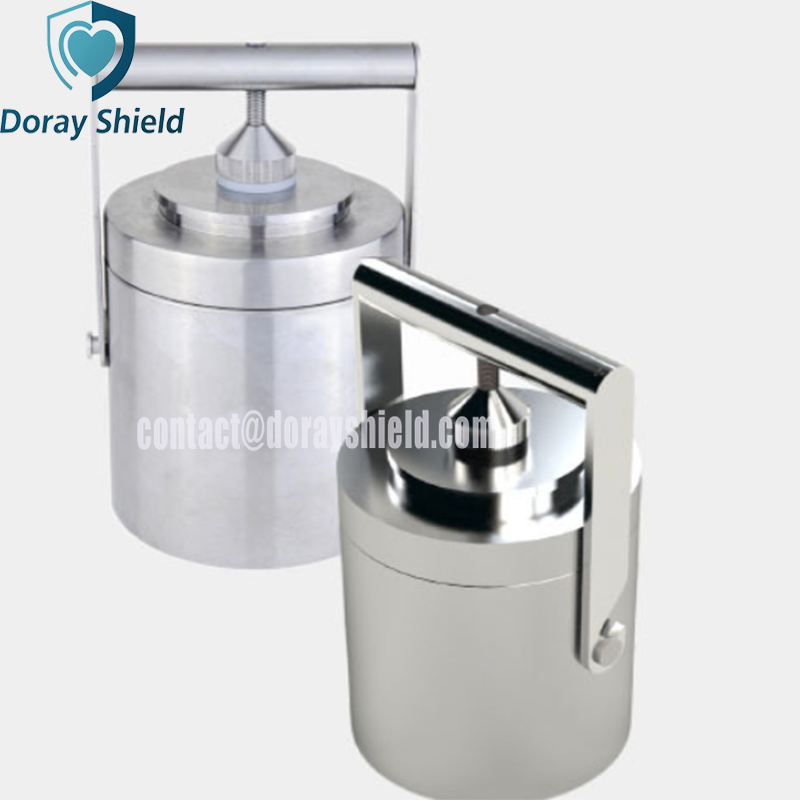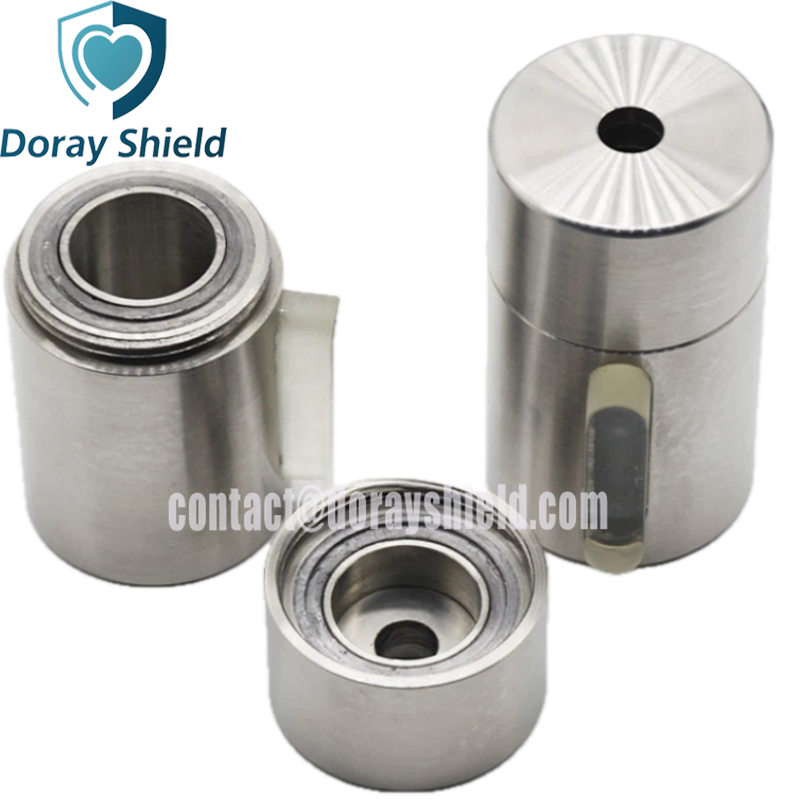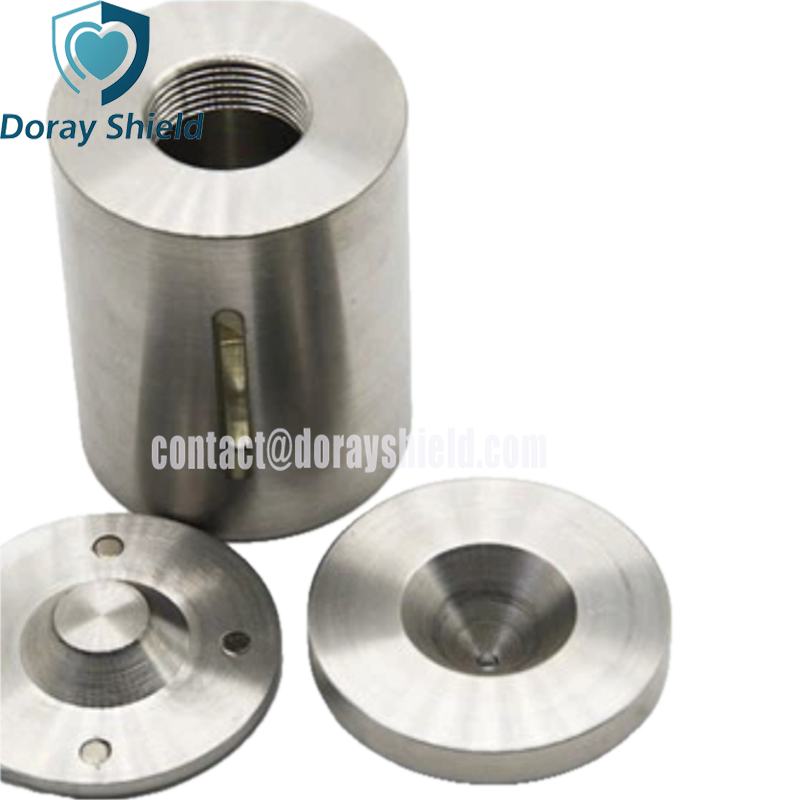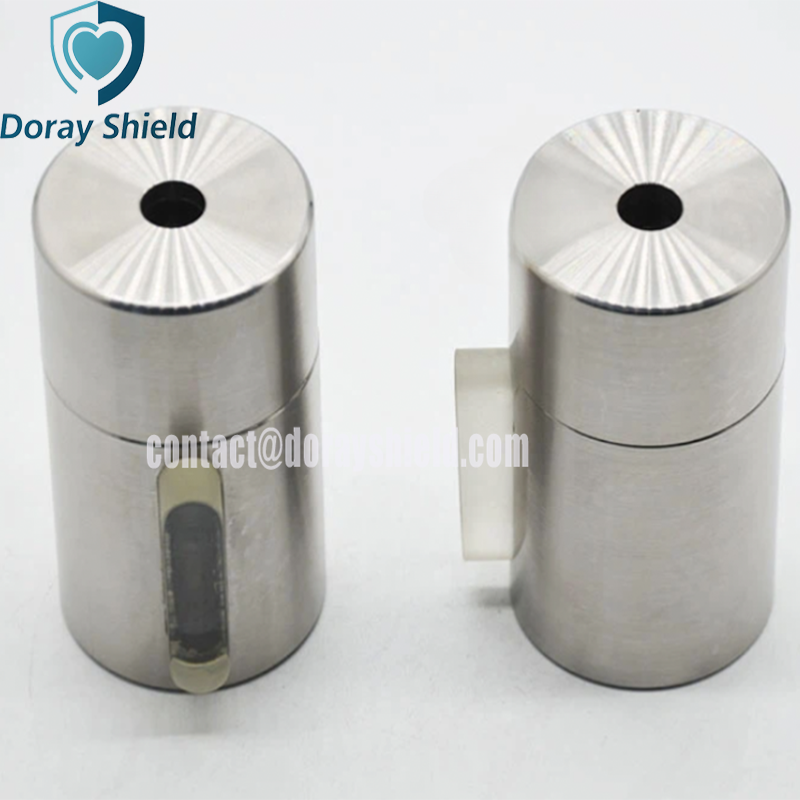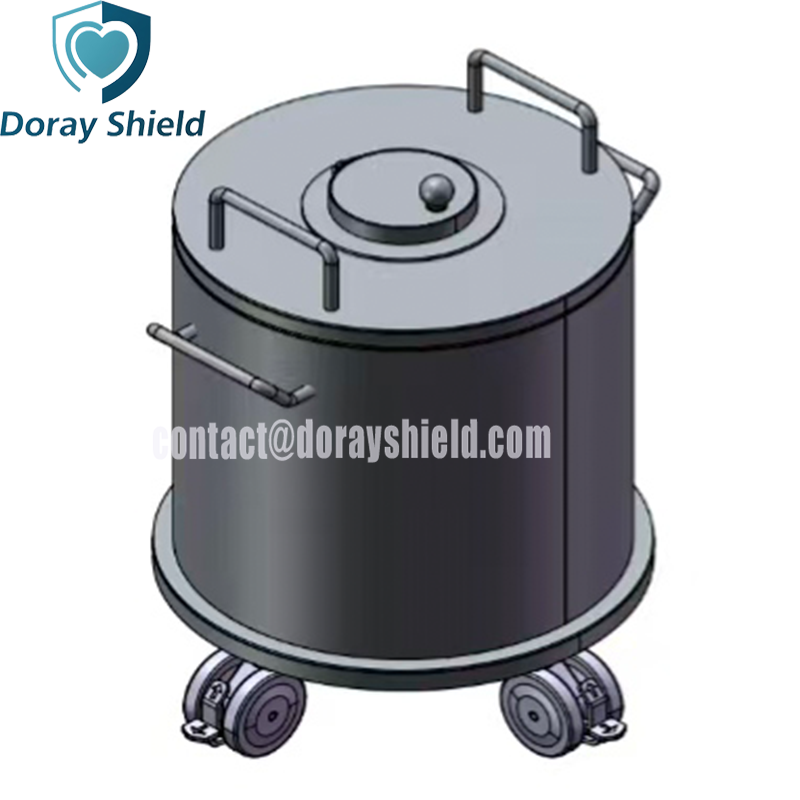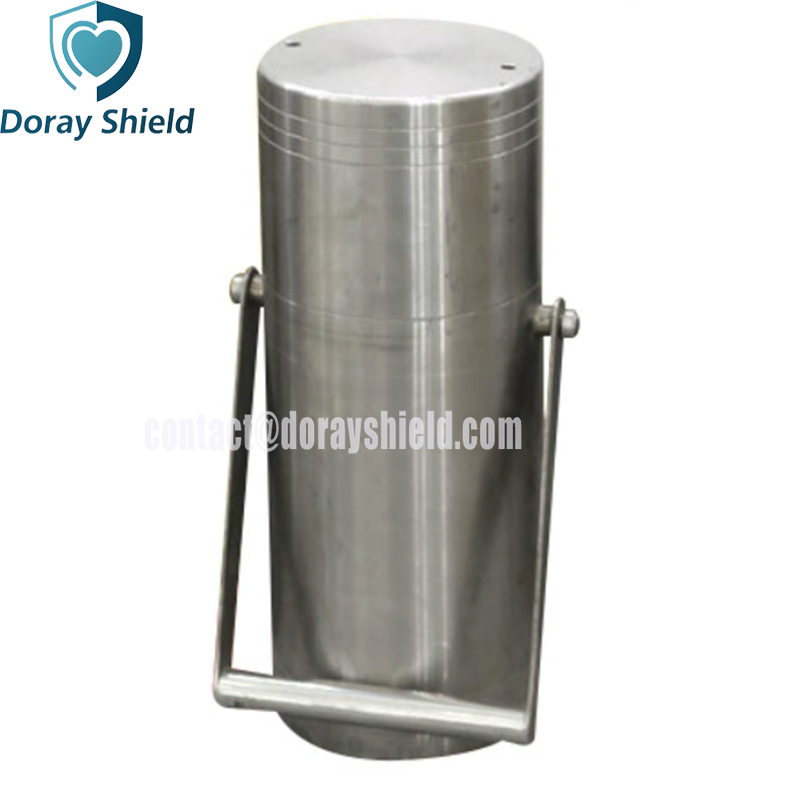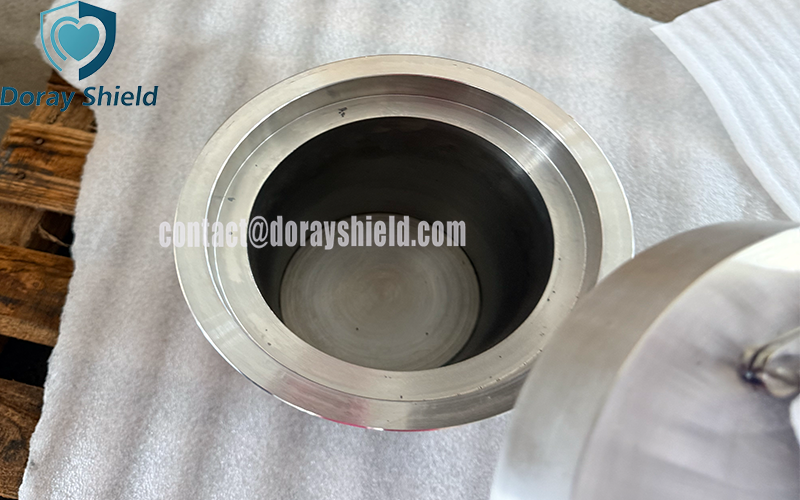
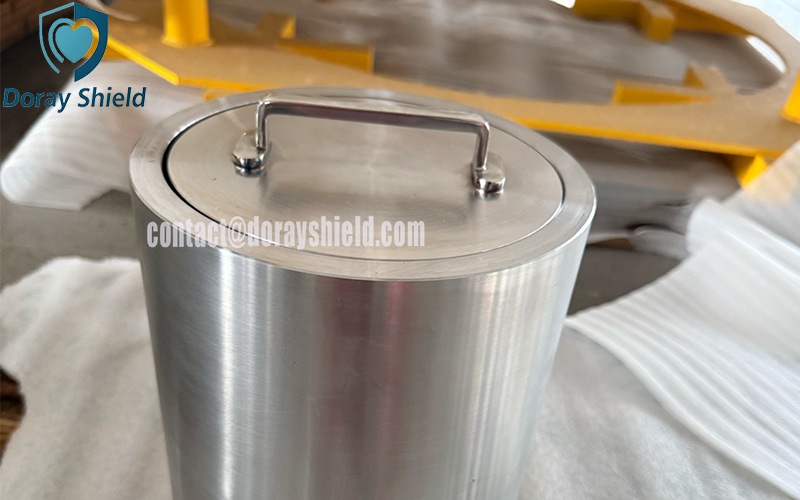
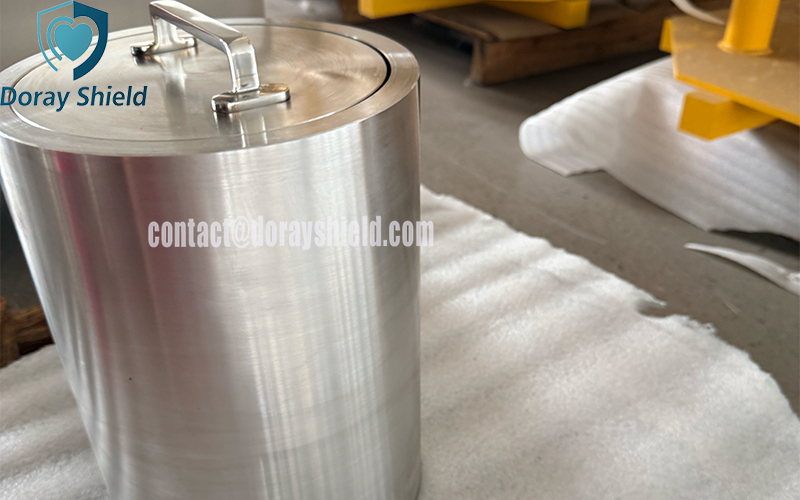
Shielded stainless steel lead waste containers (also known as radioactive waste shielding bins or lead-shielded disposal units) are specialized radiation-shielding storage devices designed for use in nuclear medicine departments, radiotherapy rooms, isotope laboratories, and industrial non-destructive testing (NDT) facilities. The outer casing is primarily constructed from 304 medical-grade stainless steel or cold-rolled, corrosion-resistant steel plate, though some industrial-grade models utilize high-strength engineering plastics. These materials provide mechanical protection for the internal lead lining against impact, corrosion, and physical damage; the surface is smooth, fingerprint-resistant, and easy to clean, meeting the hygiene standards required for medical environments. Manufactured using full-seam welding and grinding techniques, the units feature a seamless finish free of sharp edges, and select models are equipped with tamper-proof locking mechanisms to prevent unauthorized access. Their primary function is the safe containment and shielding of short-lived radioactive waste—such as syringes, cotton swabs, medicine vials, and gloves contaminated with radionuclides. By utilizing a high-density lead layer to effectively block gamma and X-rays while providing a secure temporary storage space for the natural decay of radionuclides, these containers serve as critical infrastructure for radiation protection and waste management.
The lead-equivalent configuration of the shielding layer must be strictly matched to the type and activity of the radionuclides being handled. The following are recommended specifications for common application scenarios:
| Application Scenario | Typical Radionuclide/Operation | Recommended Lead Equivalent (Pb) | Notes |
| Routine diagnosis | Tc-99m (SPECT scan) | ≥ 4–5 mm Pb | Meets waste shielding requirements for routine nuclear medicine scans. |
| PET-CT Operation | F-18 (Injection Area) | ≥ 6–10 mm Pb | Targeting the 511 keV gamma rays produced by high-energy positron annihilation |
| Low-activity therapy | I-131 (Treatment for hyperthyroidism/cancer) | ≥ 3 mm Pb | Centralized temporary storage in a soiled utility room following low-activity therapy |
| General-purpose storage | Mixed low-level waste | Customized (1–10 mm) | Calculated based on the specific accumulated activity of the waste. |
Healthcare: Hospital departments such as nuclear medicine, PET-CT centers, radiotherapy, and clinical laboratories; used for storing patient excreta, disposable protective gear, and discarded radiopharmaceutical containers.
Scientific Research & Education: Physics, chemistry, and biology laboratories in universities and research institutes; used for the temporary storage of trace radioactive samples or waste liquids generated during experiments.
Industrial Production: Industrial non-destructive testing (e.g., sites using Ir-192 or Se-75 sources), auxiliary areas of nuclear power plants, and radioisotope production facilities.
Environmental Protection & Emergency Response: Transfer operations at centralized radioactive waste treatment centers, as well as temporary waste collection during nuclear accident emergency response and rescue operations.
Material: Stainless steel and lead
Thickness of stainless steel: ≥1.5mm
Outer size: 208mm dia. * 288mm height
Lead equivalent: 25 mmPb
Inner size: 150mm dia * 230mm height
Volume: ≥4 liters
Weight: Around 60kg
Proper Operation: Strictly prohibit placing sharp objects directly into the container to avoid puncturing the inner liner or scratching the lead layer; avoid prolonged exposure to direct sunlight to prevent the aging or deformation of external plastic components.
Regular Monitoring: Periodically measure the surface dose rate using a radiation dosimeter to ensure that shielding performance has not deteriorated due to structural damage.
Cleaning and Disinfection: Promptly clean the inner liner after use and wipe the exterior casing with a neutral or specialized disinfectant to maintain hygiene.
Compliant Disposal: Once the radioactive waste inside the container reaches clearance levels or has undergone sufficient decay, it must be handed over to a qualified institution for final disposal; arbitrary disposal is strictly prohibited.
Delivery is prompt!
By 10-year industry experts!
Diverse payment methods available!
Unbeatable cost performance!