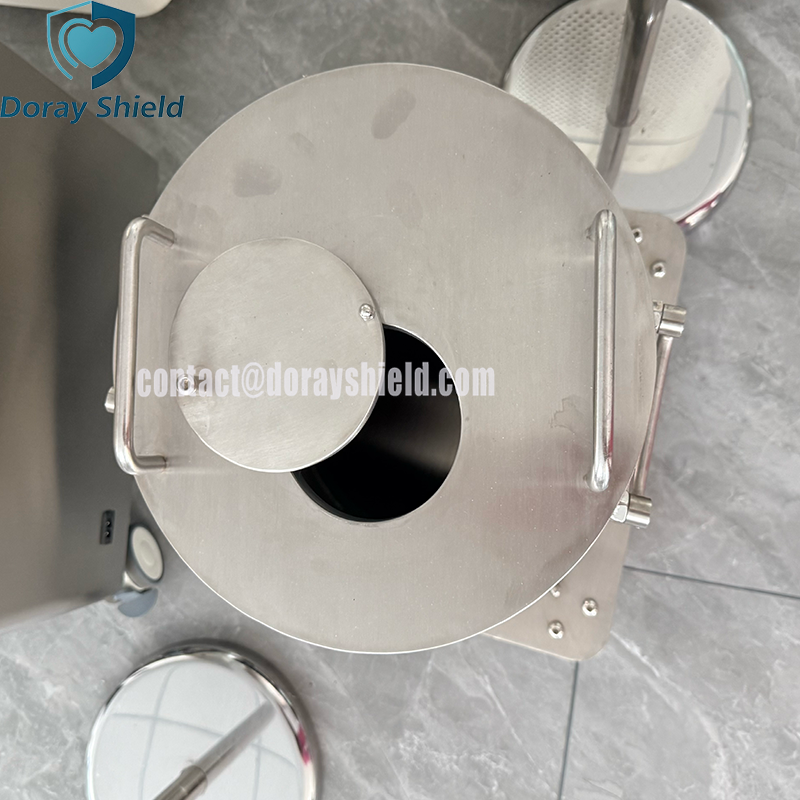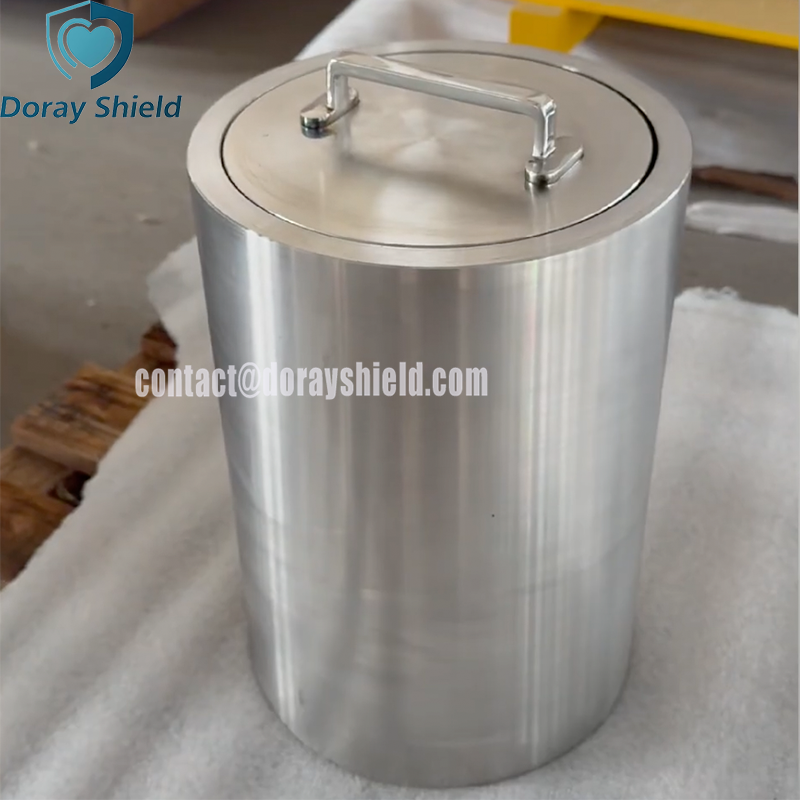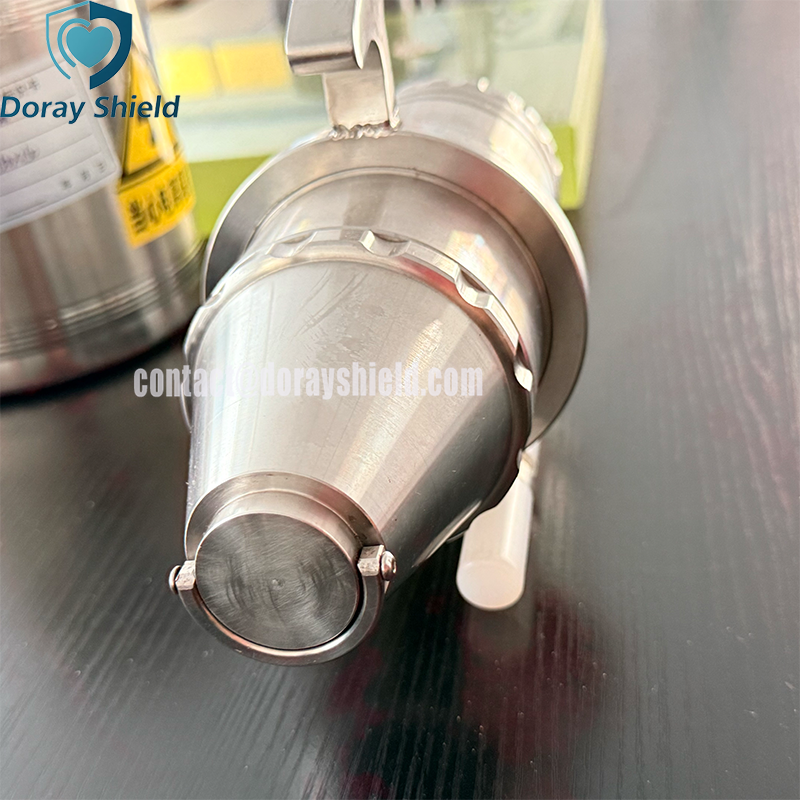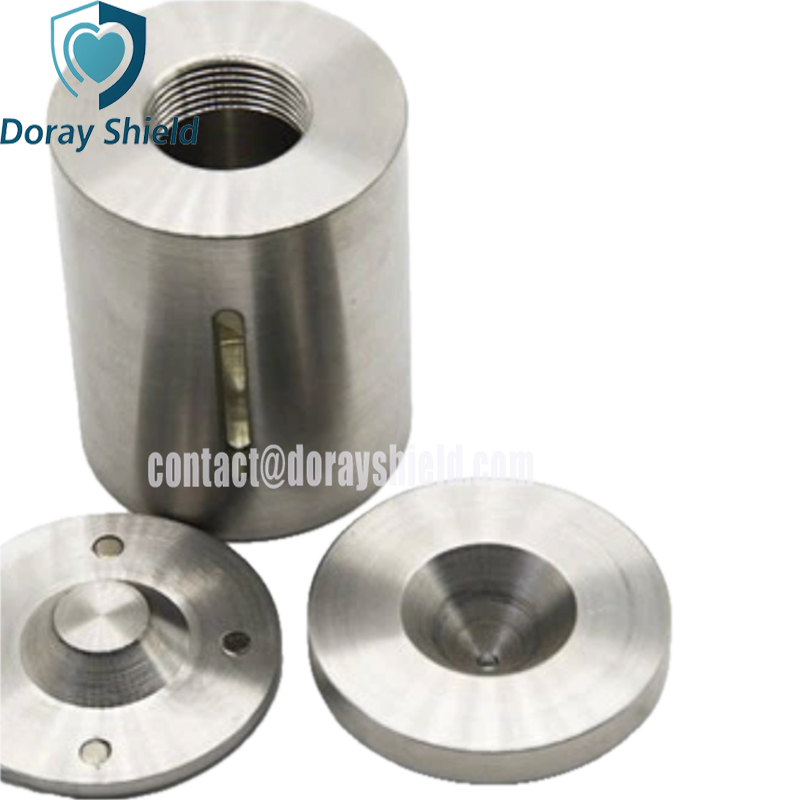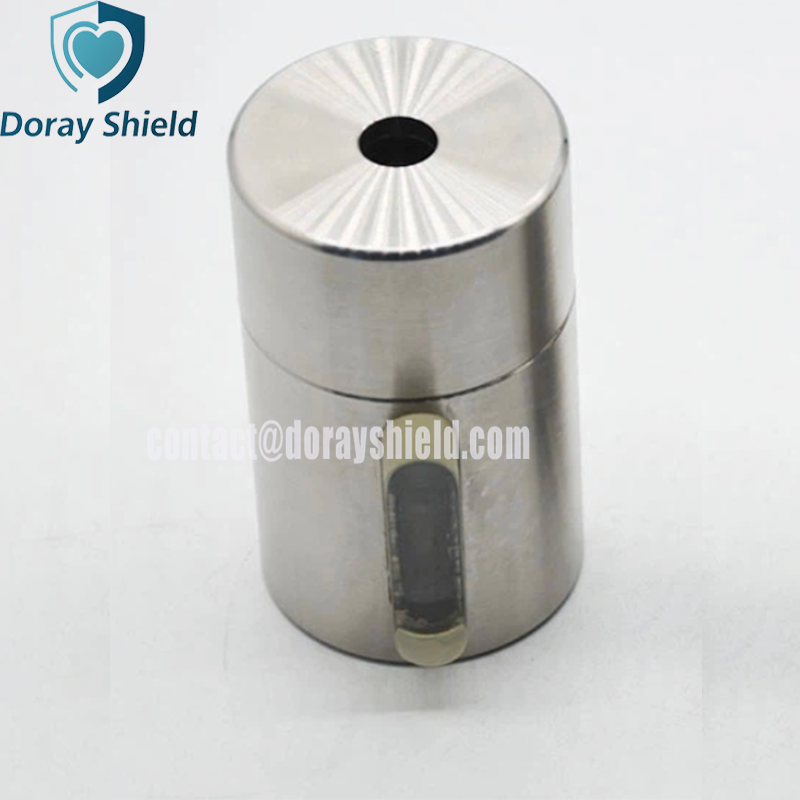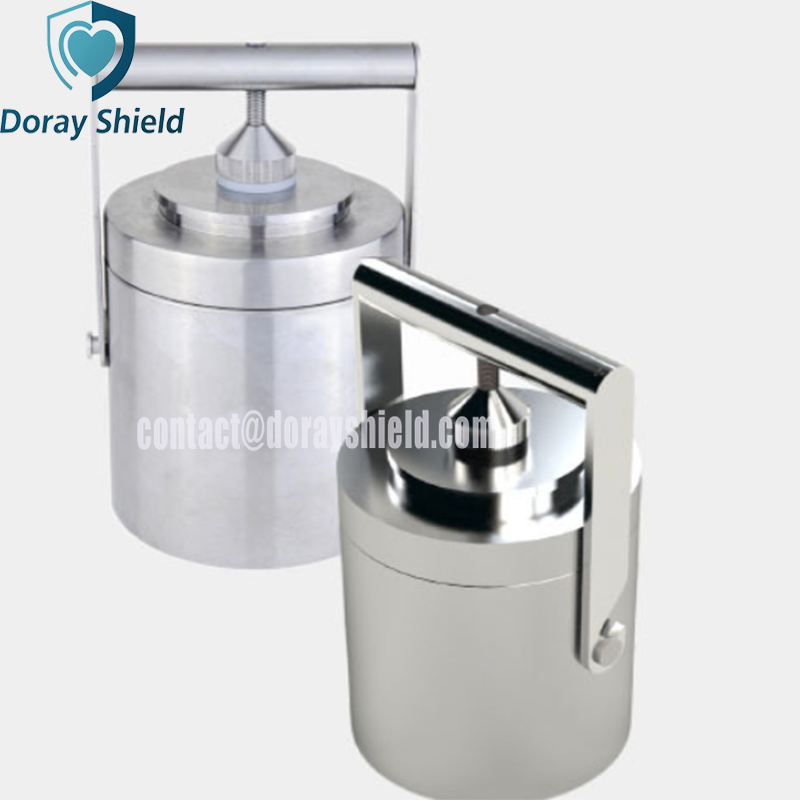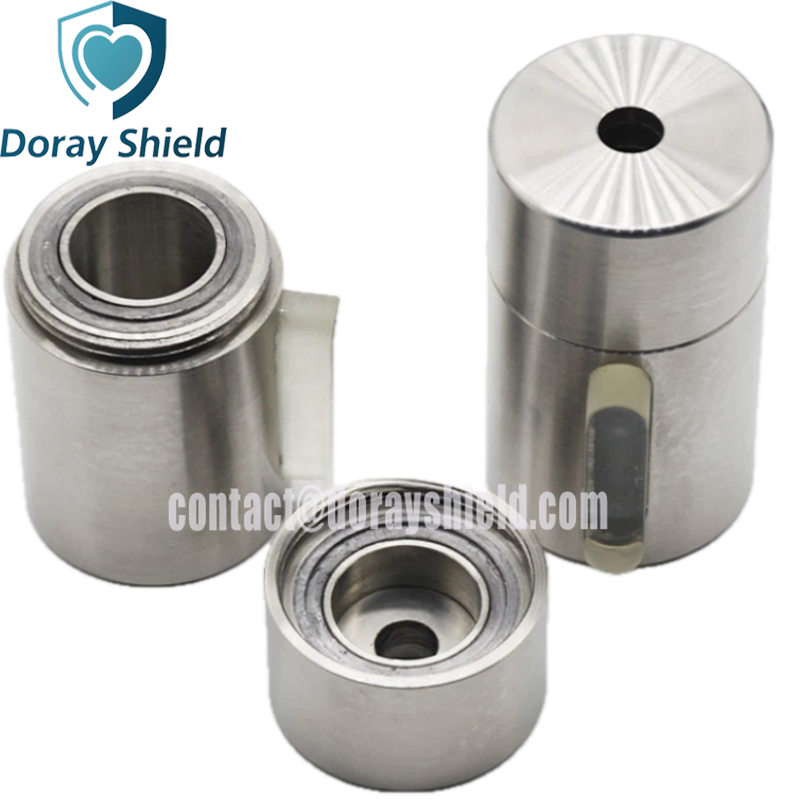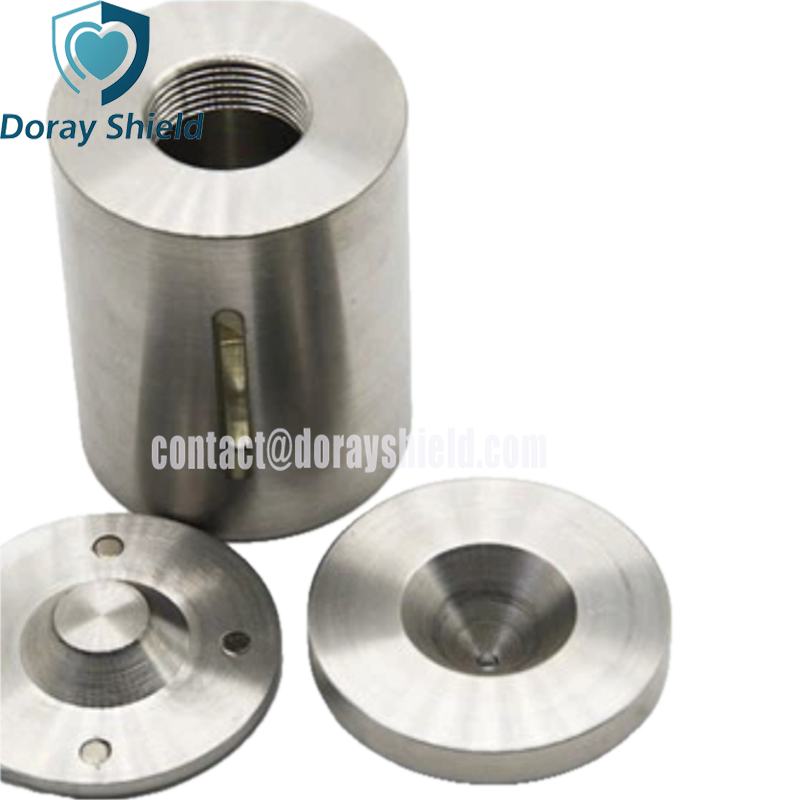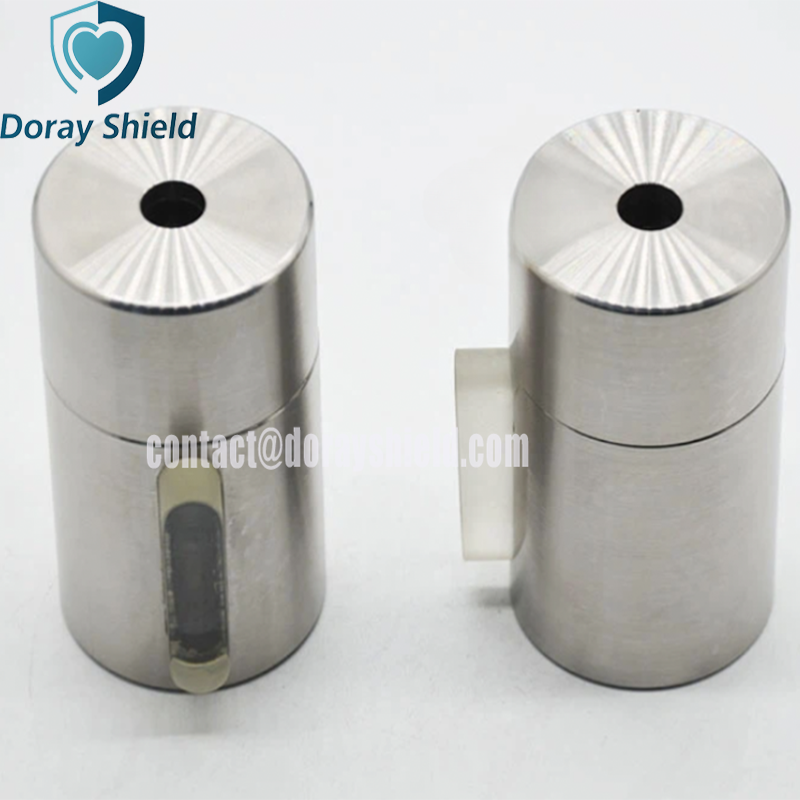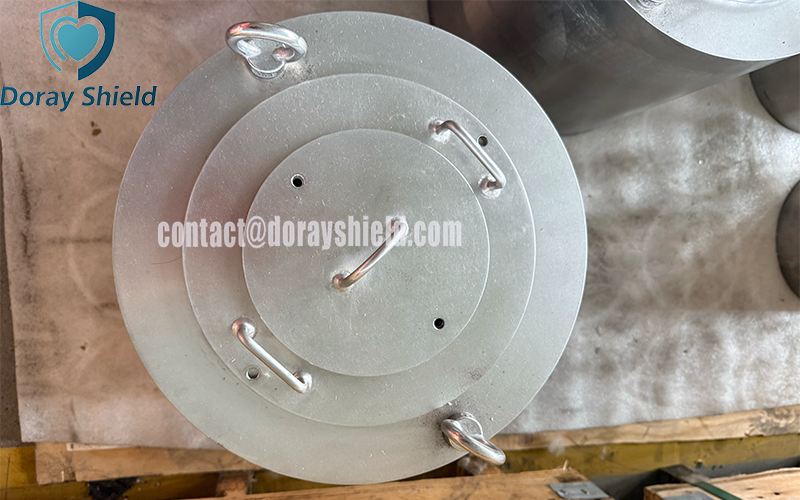
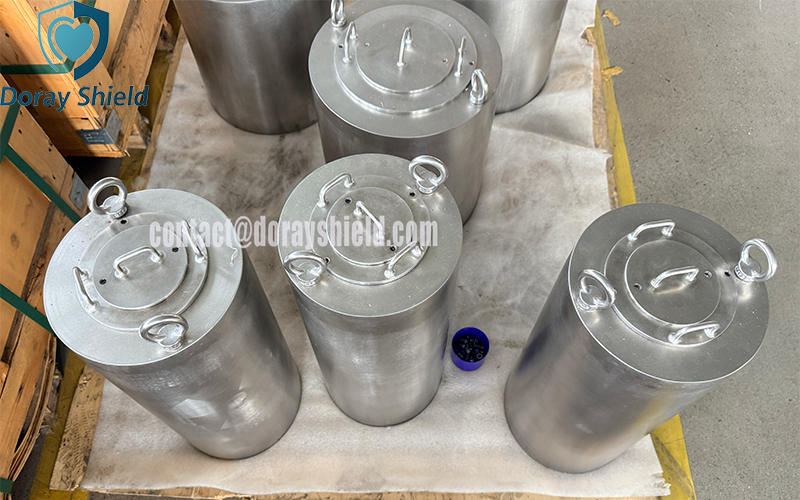
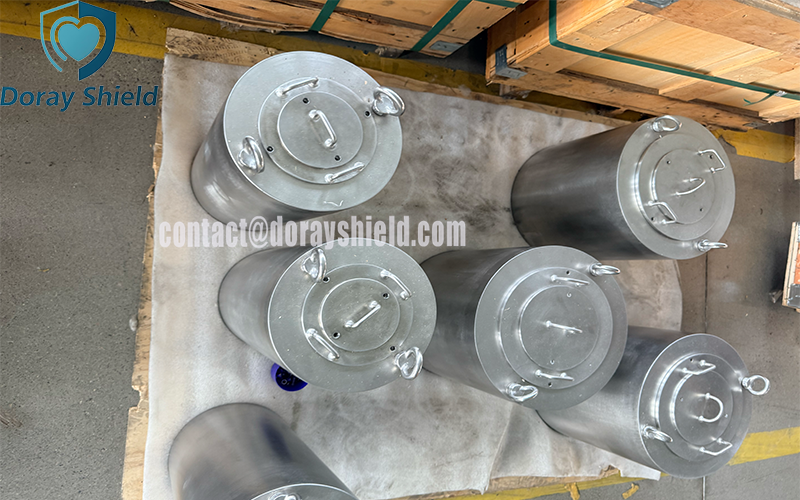
A nuclear medicine lead waste bucket (also known as a shielded radioactive waste container) is a specialized protective vessel used in hospital nuclear medicine departments, radiotherapy rooms, and isotope laboratories for the temporary collection, shielding, and storage of solid radioactive waste with short half-lives. Its primary function is to effectively block gamma and X-rays using a high-density lead layer, thereby ensuring the safety of medical personnel and the surrounding environment while providing a secure physical space for the natural decay of radionuclides.
Lead waste bins are not ordinary containers but precision protective devices featuring a multi-layer composite structure:
Outer Protective Shell: Typically constructed from 304 stainless steel, cold-rolled steel plate, or high-strength engineering plastic. The surface is smooth, corrosion-resistant, fingerprint-resistant, and easy to clean and disinfect, meeting medical hygiene standards while protecting the internal lead layer from impact and corrosion.
Core Shielding Layer: Features an internal solid lead plate or lead lining, with a lead equivalent typically ranging from 1 mm to 10 mm (depending on the specific radionuclides handled). Lead is the optimal material for shielding against gamma and X-rays, capable of keeping external radiation dose rates within safe limits (usually <2.5 μSv/h). Some high-specification models incorporate additional layers of tungsten alloy or barium sulfate to enhance shielding performance.
Inner Liner: Equipped with a removable 304 stainless steel liner or a high-density polyethylene (HDPE) leak-proof bag. The liner is smooth, seamless, and free of "dead zones," facilitating cleaning, disinfection, and waste bag replacement; it prevents radioactive liquid leakage from contaminating the bin body and features a puncture-resistant design to guard against needle sticks.
Sealing and Opening Systems:
Foot-Pedal Lid Opening: A standard design where the lid opens upon pressing the pedal and closes automatically upon release, eliminating the need for hand contact with the lid and reducing the risk of cross-contamination.
Labyrinth Seal/Magnetic Clamping: The lid and bin opening utilize a stepped interlocking or magnetic design, ensuring a tight seal when closed to prevent radiation leakage through gaps. High-end models feature a dual-lid structure (a small lid for routine disposal and a large lid for emptying a full bin), further minimizing radiation exposure risks.
Mobility and Stability: The base is fitted with four lockable swivel casters for easy movement and secure positioning. Empty bins typically weigh between 30 kg and 150 kg; they become significantly heavier when full, requiring a stable and robust support structure.
Healthcare settings: Hospital nuclear medicine departments (PET-CT and SPECT scanning rooms, injection rooms), radioimmunoassay laboratories, isotope rooms, radionuclide therapy wards, and radioactive waste temporary storage/decay rooms.
Industrial settings: Non-destructive testing (NDT) and radiographic inspection laboratories (for temporary storage of radioactive waste).
Items for disposal: Syringes, needles (must first be placed in sharps containers), and IV tubing contaminated with radiopharmaceuticals; disposable protective items such as cotton swabs, gauze, gloves, and protective suits; empty medicine vials, reagent cups, and test tubes; and containers holding vomit or excreta from patients treated with short-half-life radionuclides.
Finishing material | Stainless steel interior and exterior |
Shielding material | Lead |
Shielding thickness | 12.5mm-35 mm |
Outside dimensions | 550 x 810 mm (dia. x h) |
Inside dimensions | 430 x 580 mm (dia. x h) |
Delivery Time | 15-20 days |
Weight | 260-375 kg |
Segregated Disposal: Mixing with general waste or non-radioactive medical waste is strictly prohibited. Only radioactive solid waste containing the specific radionuclides for which the container is designated may be accepted. Radionuclides with different half-lives (e.g., short-lived Tc-99m and long-lived I-131) must be stored in separate containers to facilitate distinct decay cycle management.
Prompt Sealing: Close the lid immediately after disposing of waste to minimize radiation leakage. When the container reaches three-quarters capacity, seal the inner bag promptly and proceed with transfer or final sealing.
Information Labeling: Clearly indicate the radionuclide type, initial storage date, estimated activity, responsible person, and projected date of decay completion on the container label.
Decay Management: Once full, transfer the container to a dedicated decay storage room; the holding period must be at least 10 half-lives. Before disposal, verify with a radiation detector that the dose rate is close to background levels; only then may it be cleared as general medical waste.
Regular Maintenance: Periodically inspect the integrity of the lead lining, the condition of sealing gaskets (checking for aging), the mobility of casters, and the responsiveness of the foot-pedal mechanism. Conduct a professional assessment of radiation shielding effectiveness annually.
Prohibitions: Do not dispose of waste containing long-lived radionuclides (e.g., Carbon-14, Tritium); such waste must be handed over to specialized agencies for recovery and disposal. Do not pour large volumes of liquid directly into the container; for waste containing small amounts of liquid, use absorbent materials or a dedicated leak-proof inner liner. Prevent sharp objects from puncturing the lead lining; the use of inner liners and sharps containers is mandatory.
Delivery is prompt!
By 10-year industry experts!
Diverse payment methods available!
Unbeatable cost performance!