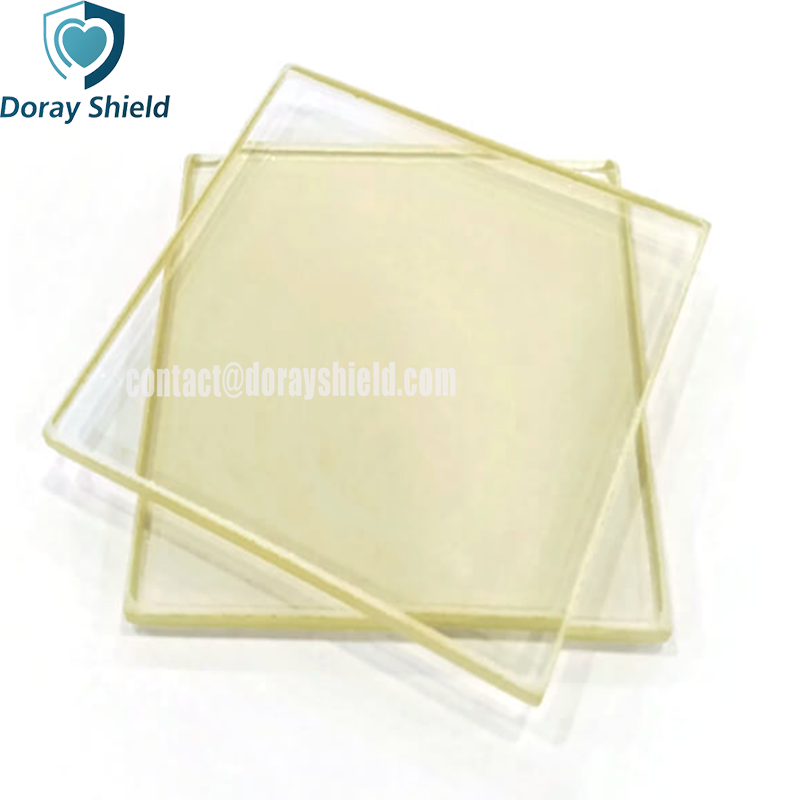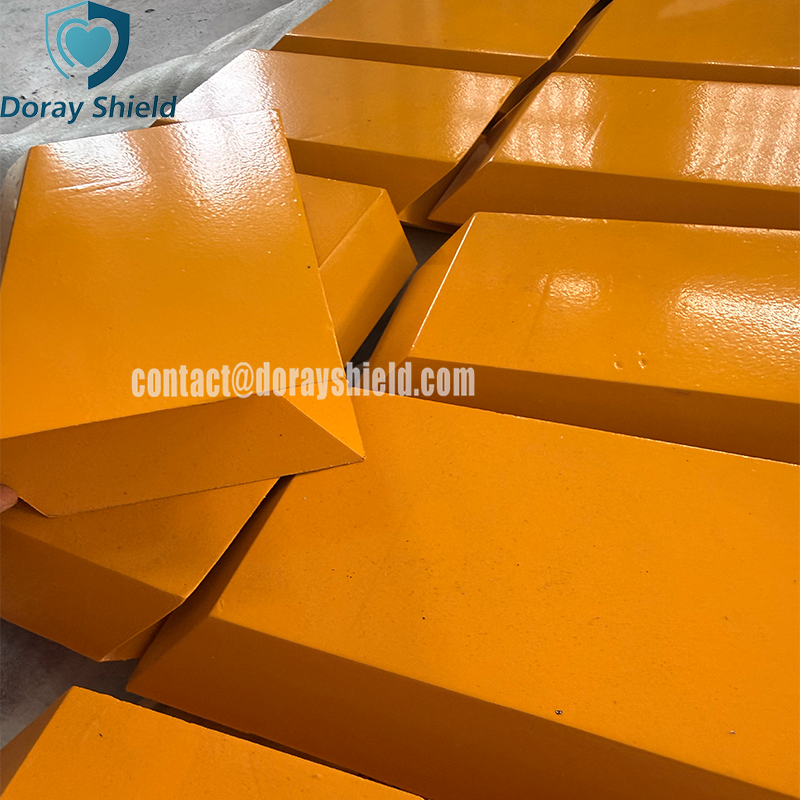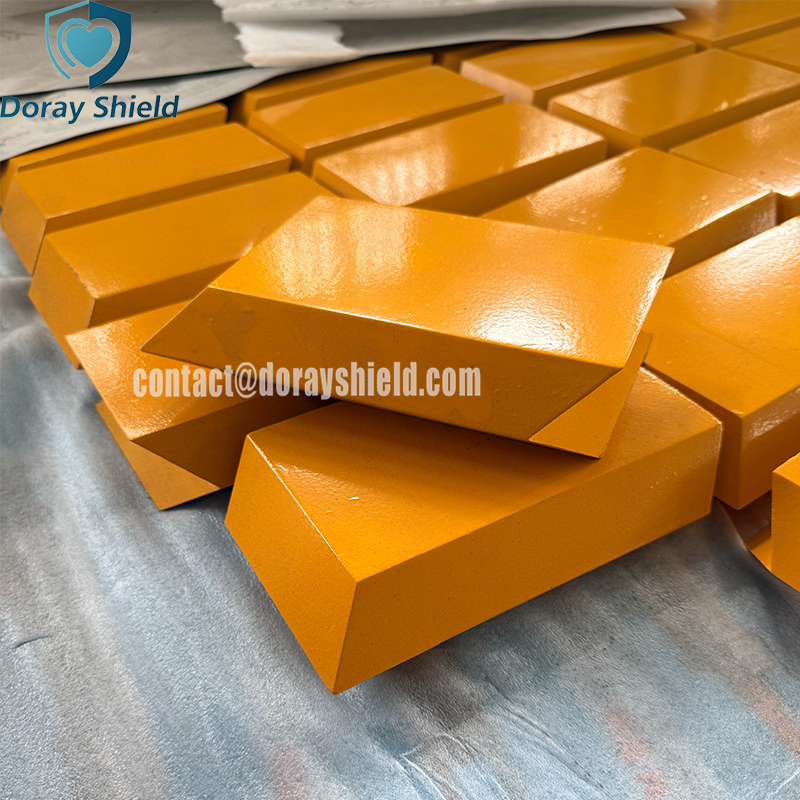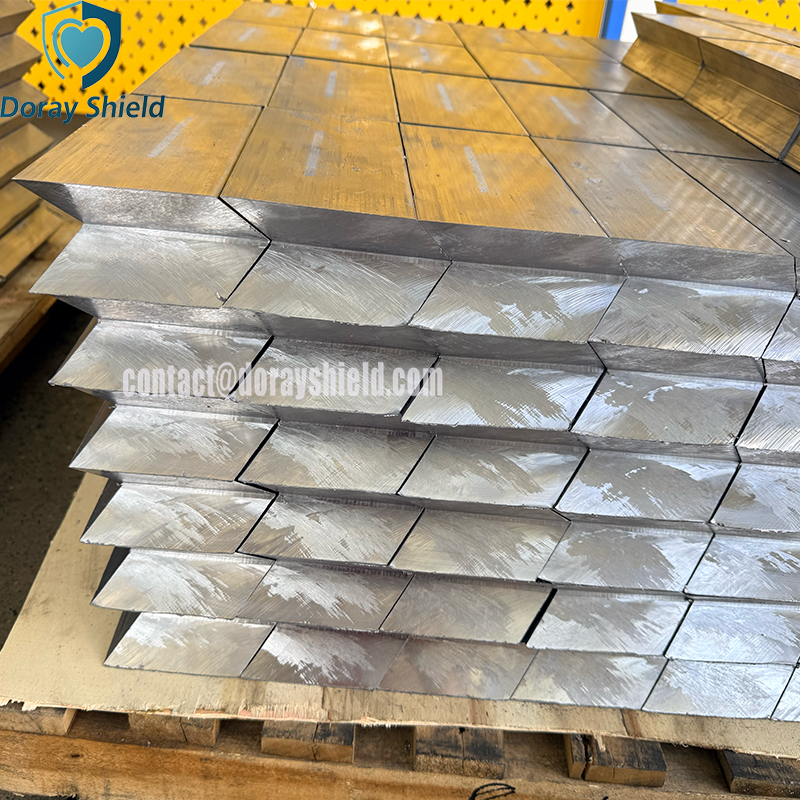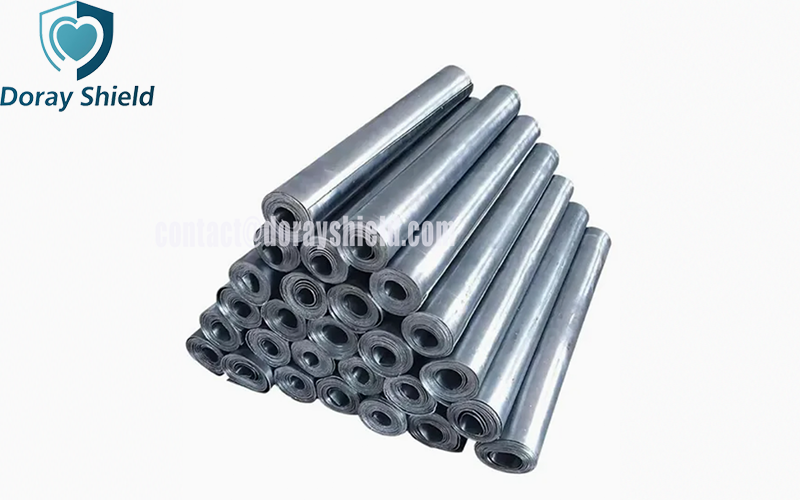
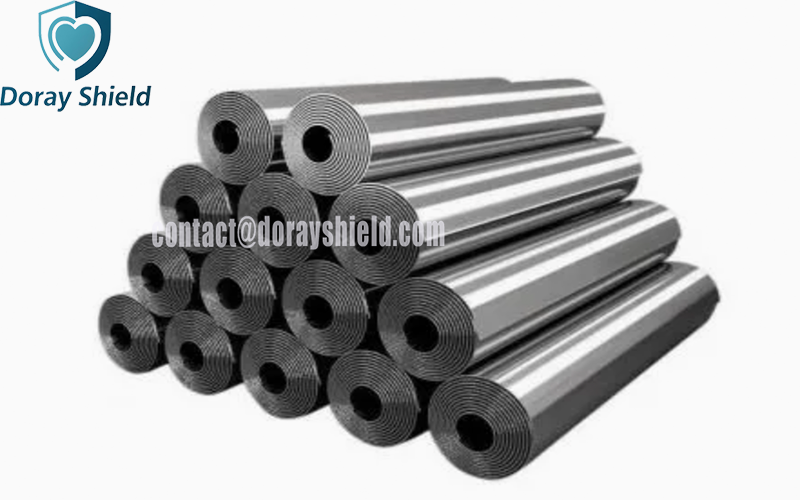
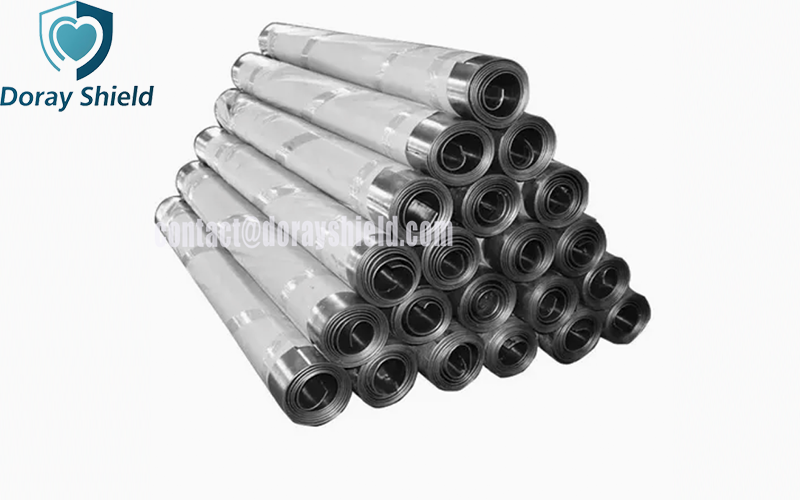
X-ray radiation protection lead plate is a high-density material specifically designed to block the penetration of X-rays and other forms of ionizing radiation. Lead has a density of approximately 11.34 g/cm³. As the element with the highest atomic number among stable chemical elements, lead possesses a structure with minimal inter-particle spacing, enabling it to effectively intercept and absorb the energy of X-rays and gamma rays. This high density enables lead plates to provide superior shielding against low-energy X-rays compared to traditional construction materials such as concrete. Serving as a primary shielding medium in construction projects and medical facilities, it leverages the high atomic number and density of metallic lead to effectively absorb and attenuate radiation energy, thereby safeguarding human health and environmental safety. The material is widely used in settings requiring rigorous radiation protection, such as medical radiology suites, industrial non-destructive testing facilities, nuclear medicine departments, and scientific research laboratories.
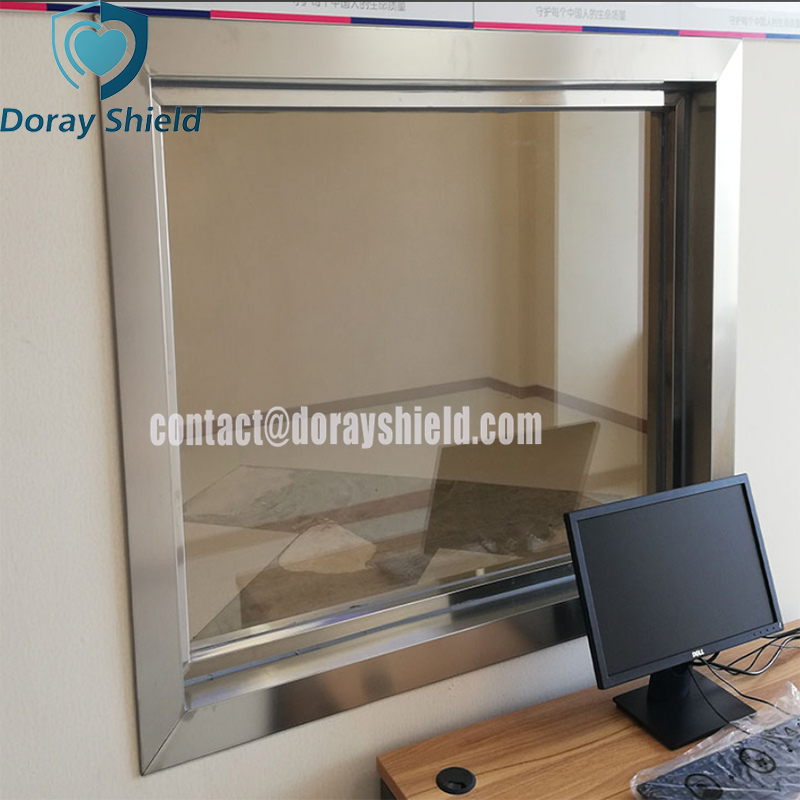
Radiology Departments: Shielding for walls, ceilings, and floors in CT, DR, X-ray, and fluoroscopy rooms.
Interventional Therapy and Surgery: Shielding for high-dose radiation areas such as DSA interventional suites, linear accelerator rooms, and Cobalt-60 treatment rooms.
Dentistry and Specialized Care: Localized shielding for dental panoramic X-ray units and oral CT rooms.
Nuclear Medicine: Radiation isolation for PET-CT centers and radioisotope laboratories.
Industrial NDT (Non-Destructive Testing): Radiation shielding for weld inspections and industrial CT real-time imaging systems.
Nuclear Energy Facilities: Protective layers for areas surrounding nuclear reactor cores and for radioisotope laboratories.
Precision Instrument Protection: Radiation shielding enclosures for high-precision analytical equipment such as mass spectrometers and electron microscopes.
Other Applications: Cable sheathing, linings for acid-resistant equipment, counterweights, soundproofing walls, etc.
Thickness range: Covers 0.5 mm to 10 mm (up to 500 mm for special industrial requirements, though the range commonly used in medical applications is 0.5–5 mm).
Standard dimensions: Domestically produced lead sheets generally do not exceed 1.5 meters in width or 5 meters in length. Common standard specifications include 1000×2000 mm, with custom sizes such as 4000×1000 mm also available.
Customization services: Products can be customized regarding thickness, dimensions, and lead equivalence to meet specific project requirements.
Delivery is prompt!
By 10-year industry experts!
Diverse payment methods available!
Unbeatable cost performance!