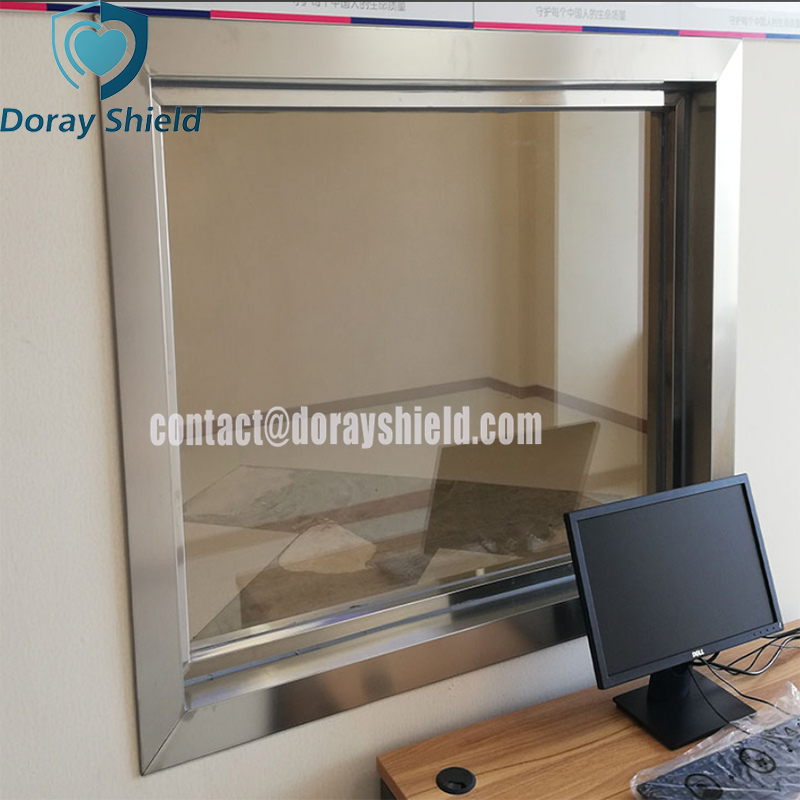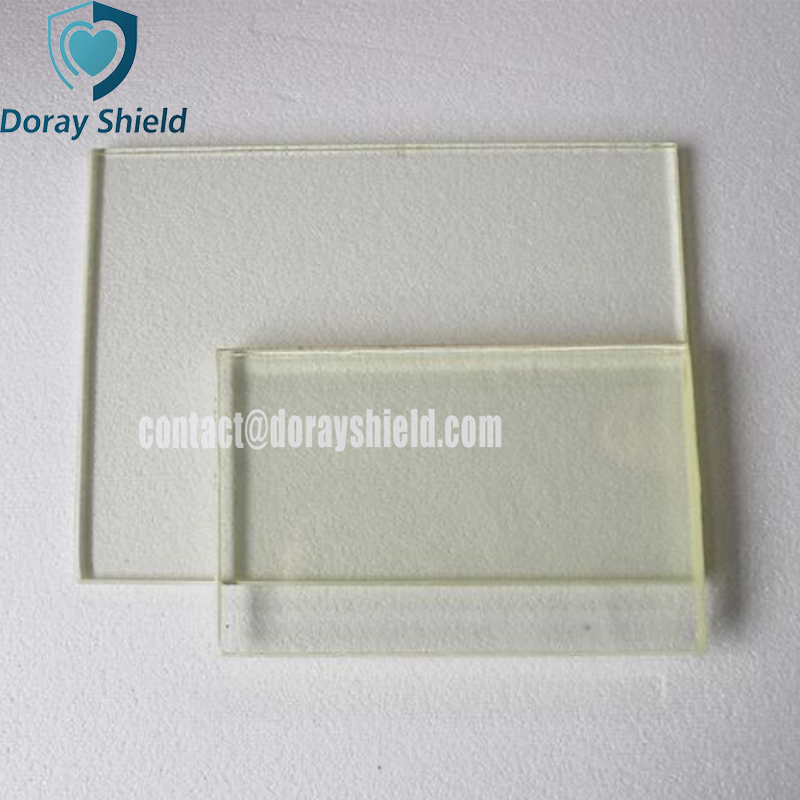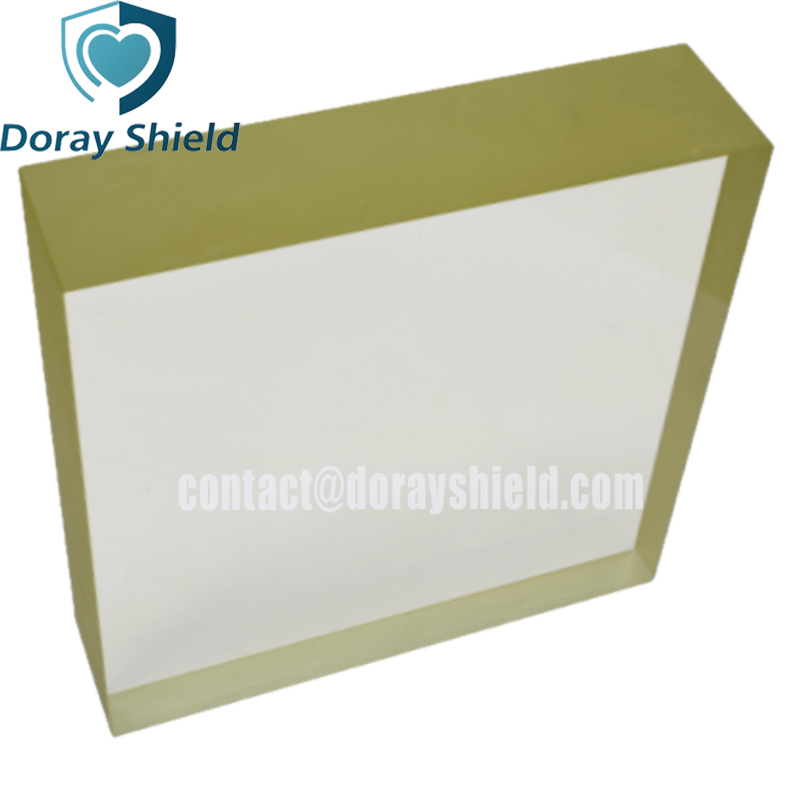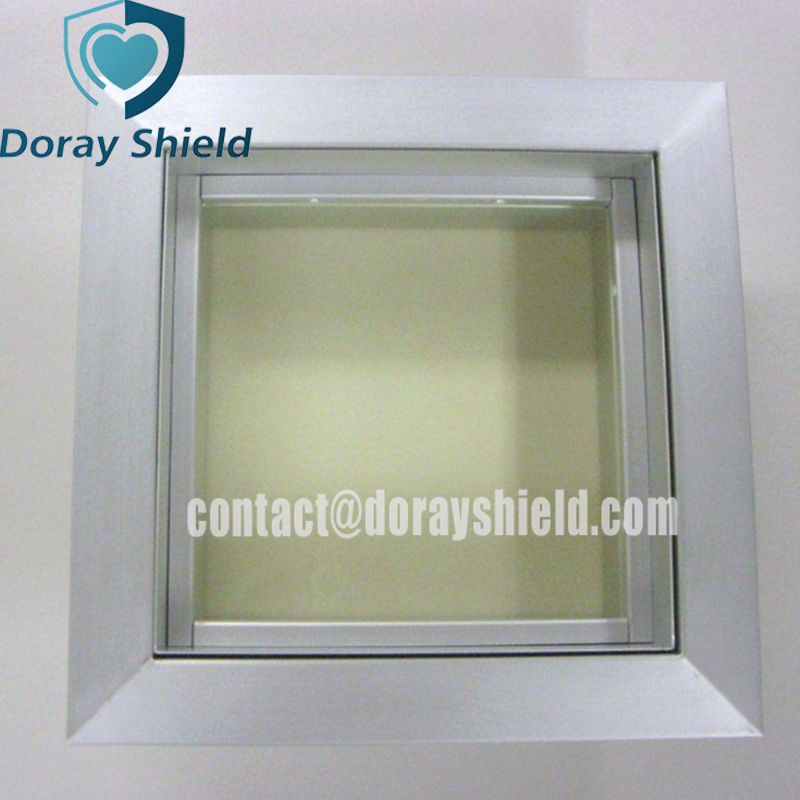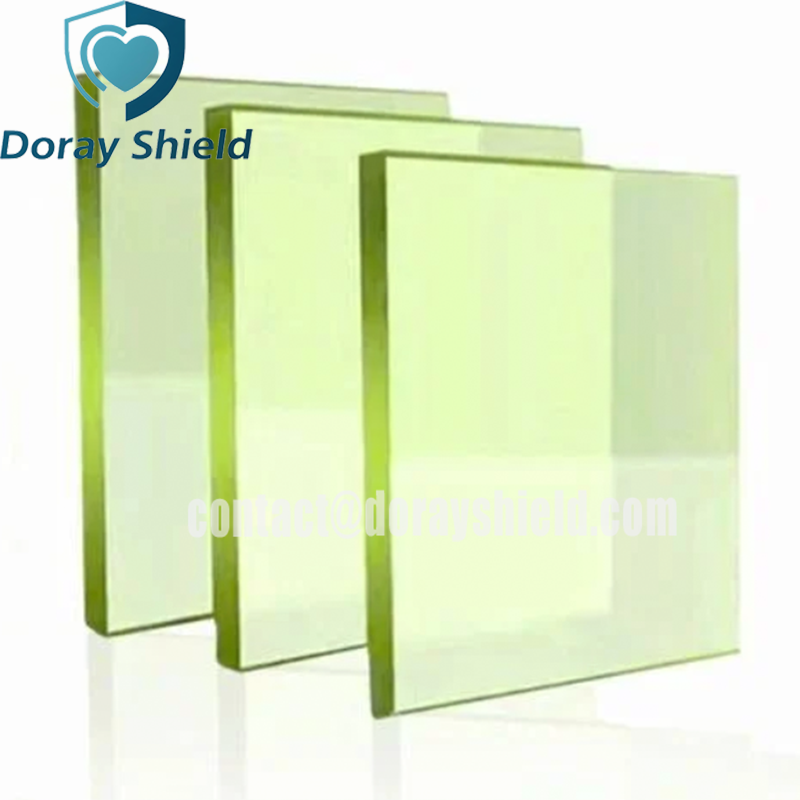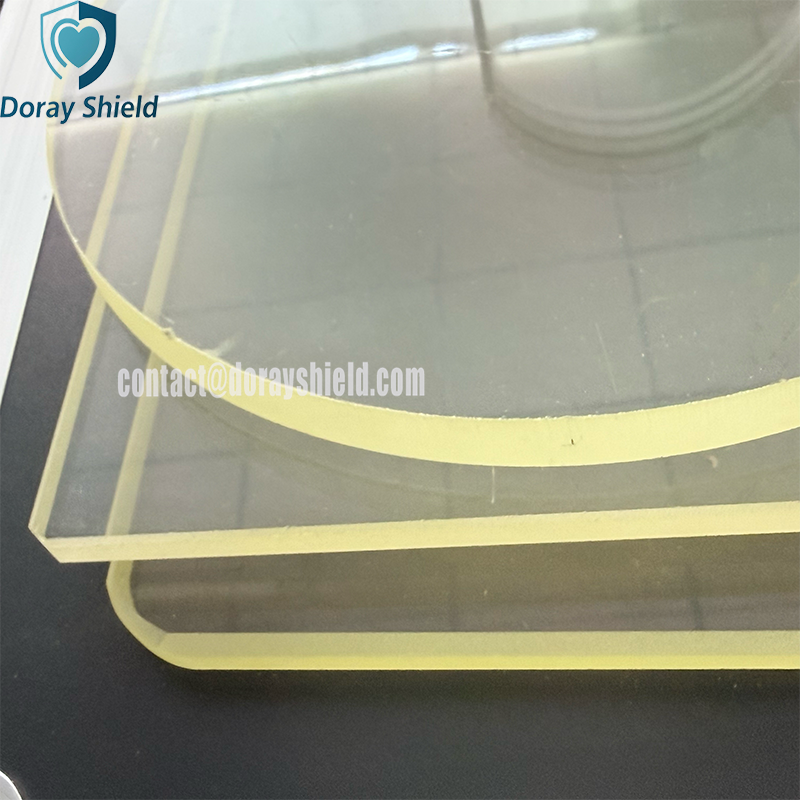
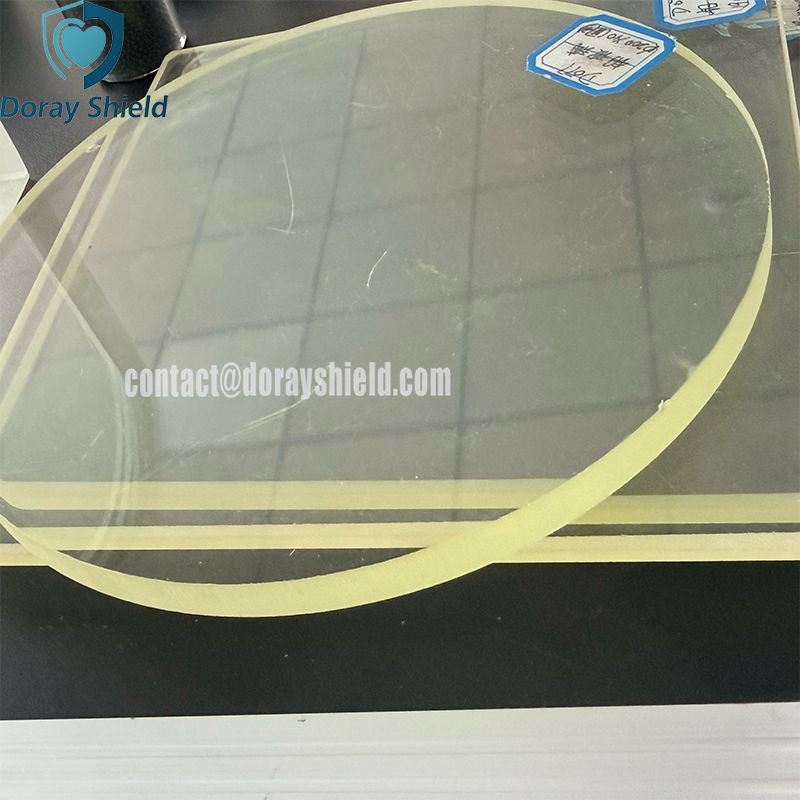
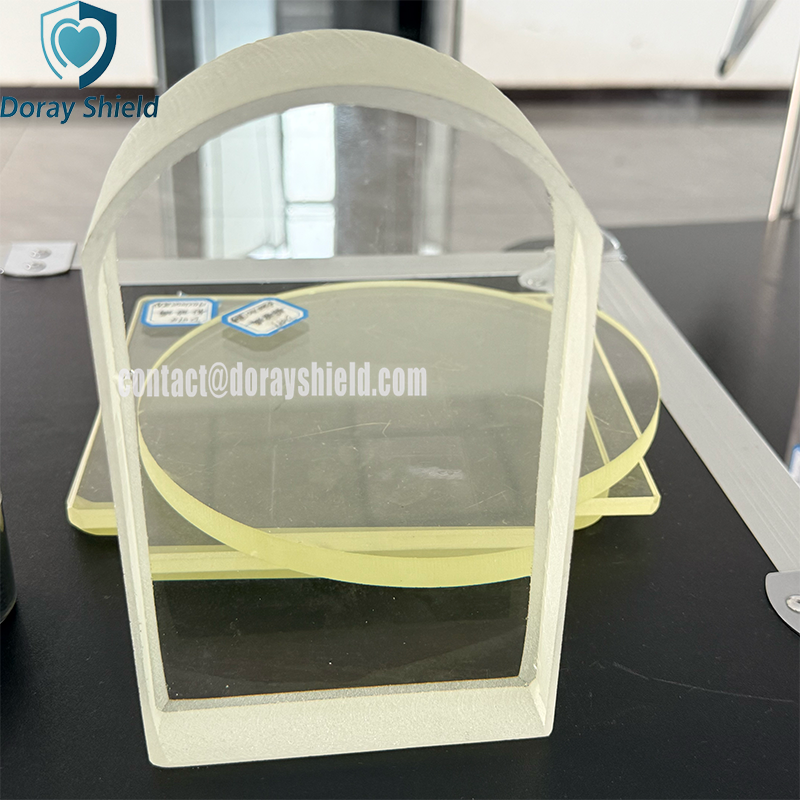
Lead-shielding glass—also known as X-ray shielding glass or protective glass—is a type of specialized optical glass containing high-density heavy metal oxides (primarily lead oxide, PbO, and sometimes barium oxide, BaO). Its protective capability relies chiefly on the high atomic number of lead atoms; as X-rays or gamma rays pass through the glass, the lead content absorbs radiation energy via physical processes such as the photoelectric effect and Compton scattering, thereby significantly reducing the intensity of the radiation. Protection performance is typically measured in terms of "lead equivalence,"—indicating the thickness of a pure lead sheet required to provide the same level of radiation absorption as a given thickness of the glass. Its primary function is to effectively absorb and attenuate ionizing radiation (such as X-rays and gamma rays) while maintaining high optical transparency, thus serving as a transparent radiation-shielding barrier for medical diagnostics, the nuclear industry, and scientific research. As a form of optical glass, it satisfies the dual requirements of visual observation and radiation shielding, making it a critical material for radiology observation windows, nuclear medicine operation screens, and industrial flaw-detection isolation facilities.
Lead Equivalence: A core metric for assessing radiation shielding capability. In accordance with the national standard GBZ 130-2020 ("Radiological Protection Requirements for Medical Diagnostic Radiology"), the lead equivalence of medical lead glass is typically no less than 0.22 mmPb per millimeter of thickness. Different series (e.g., ZF2, ZF3, ZF6, ZF7) correspond to varying lead contents and application scenarios; higher lead equivalence yields superior shielding performance.
Light Transmittance: To ensure clear visibility, high-quality lead glass must exhibit a visible light transmittance of ≥80% at a wavelength of 550 nm (with high-end products reaching 85%–88%) and possess low-distortion characteristics to prevent image deformation.
Density and Refractive Index: As PbO content increases, the glass density (which can reach 4.2 g/cm³), refractive index, and radiation absorption coefficient rise significantly, whereas hardness, softening temperature, and chemical stability decrease relatively.
Radiation Stability: Prolonged exposure to high-energy radiation can cause the glass to discolor (turn yellow). The addition of cerium dioxide (CeO₂) enhances radiation stability, preventing the degradation of light transmittance over time.
Handle with Care: Lead glass has low hardness, cannot be tempered, and is fragile. Avoid impacts, crushing, and severe vibrations during production, transportation, storage, and installation.
Frame Support: Use a specialized steel-lead composite structure or a frame with flexible cushioning during installation to ensure even load distribution and prevent cracking caused by stress concentration.
Periodic Inspection: Regularly inspect the glass surface for cracks, discoloration, or reduced light transmission. For glass used in high-dose radiation environments, specifically assess the extent of radiation-induced aging and replace the glass if necessary.
Delivery is prompt!
By 10-year industry experts!
Diverse payment methods available!
Unbeatable cost performance!