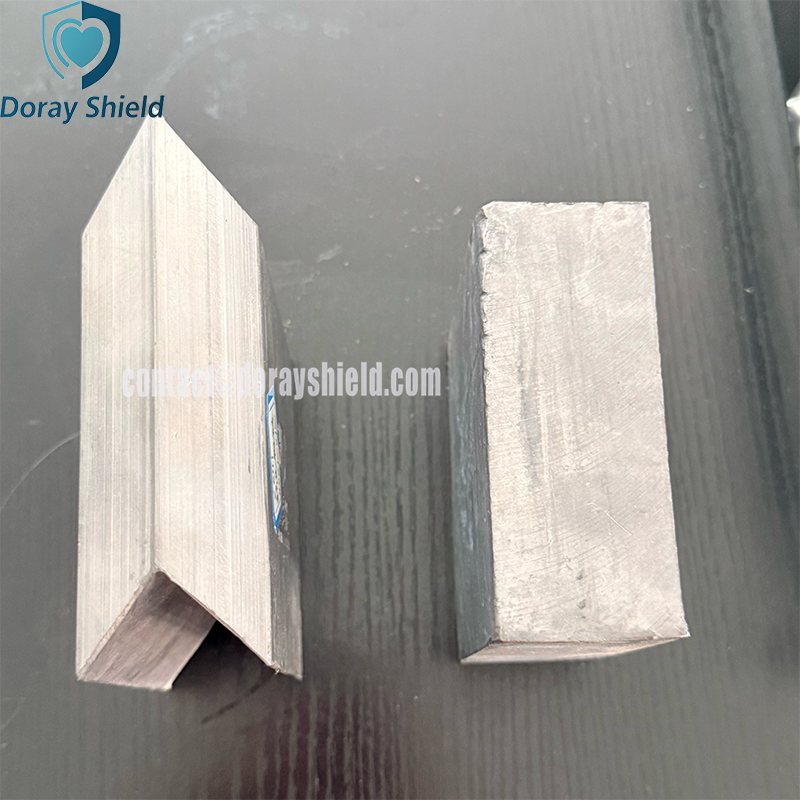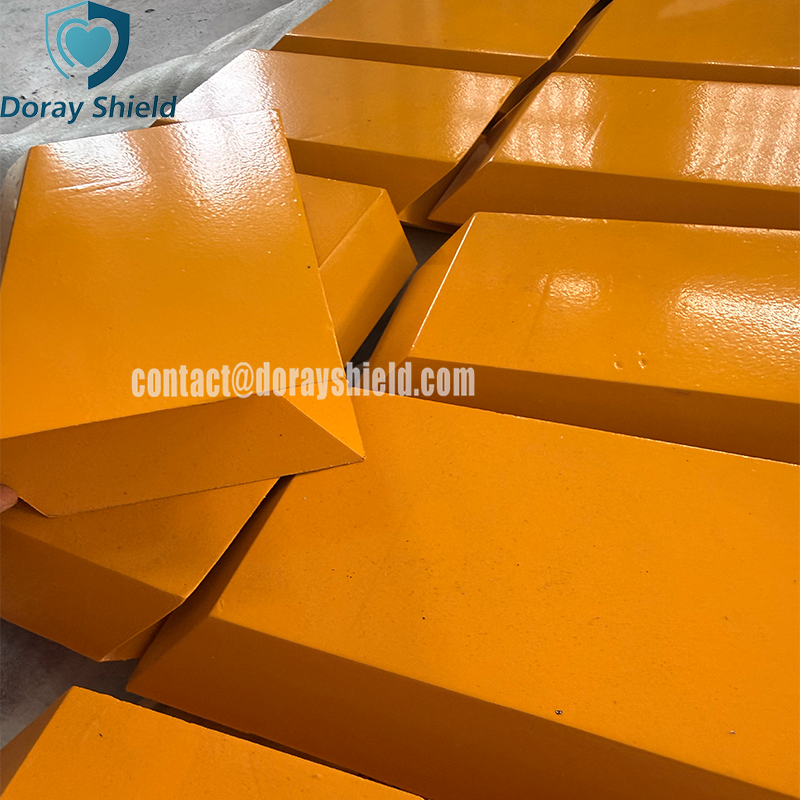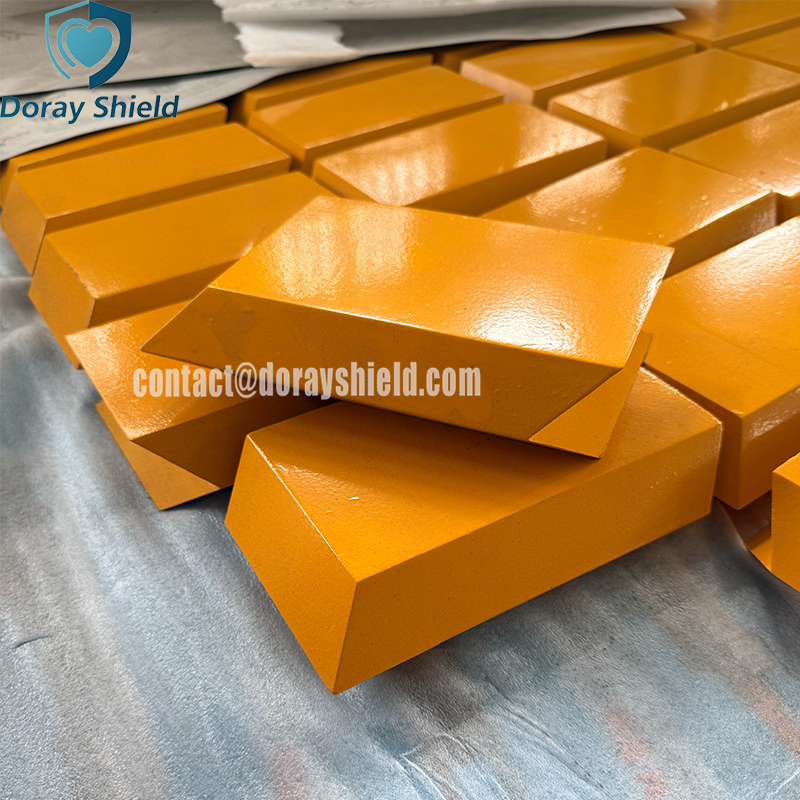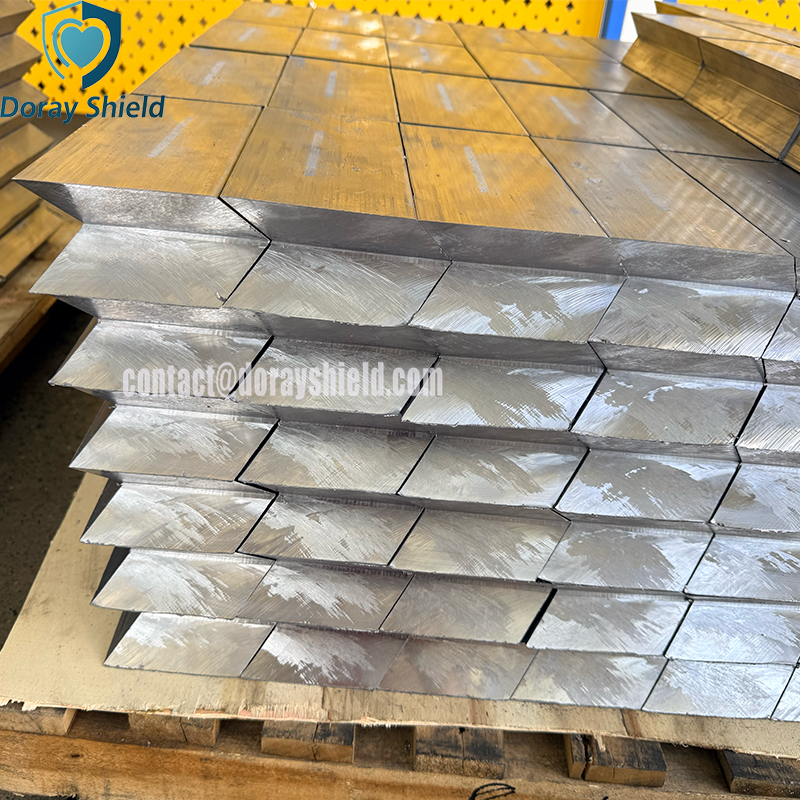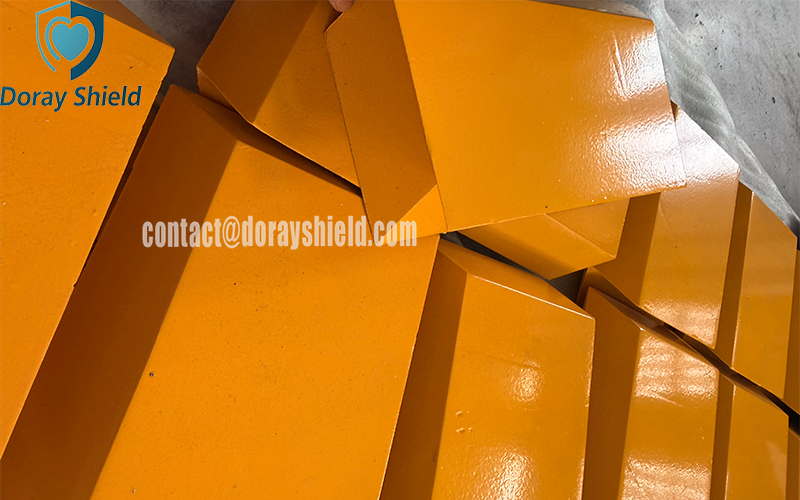
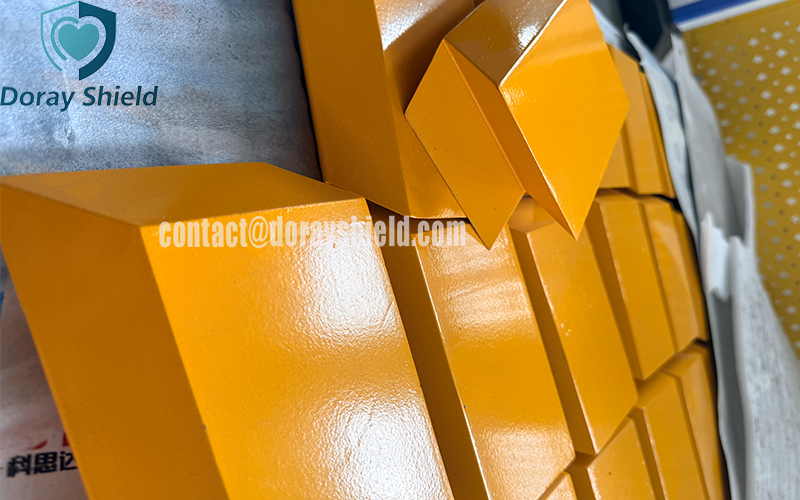
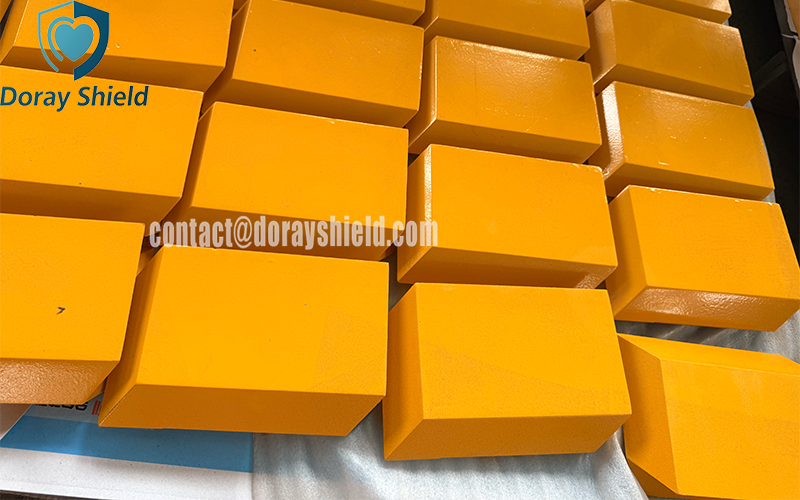
Coated lead bricks are radiation-shielding components made primarily of high-purity lead, featuring a surface treated with special protective measures—such as anti-oxidation coatings, edge encapsulation, or composite coverings. Widely used in fields including nuclear engineering, medical imaging (CT/DR rooms), radiotherapy, and industrial non-destructive testing, they are designed to effectively shield against ionizing radiation like X-rays and gamma rays. Compared to traditional bare lead bricks, coated lead bricks offer superior corrosion resistance, surface finish, and handling safety while maintaining excellent shielding performance; they effectively address issues such as lead oxidation, dust generation, and surface scratching during handling. The coating creates a physical barrier that seals out air and moisture, thereby extending the product's service life.
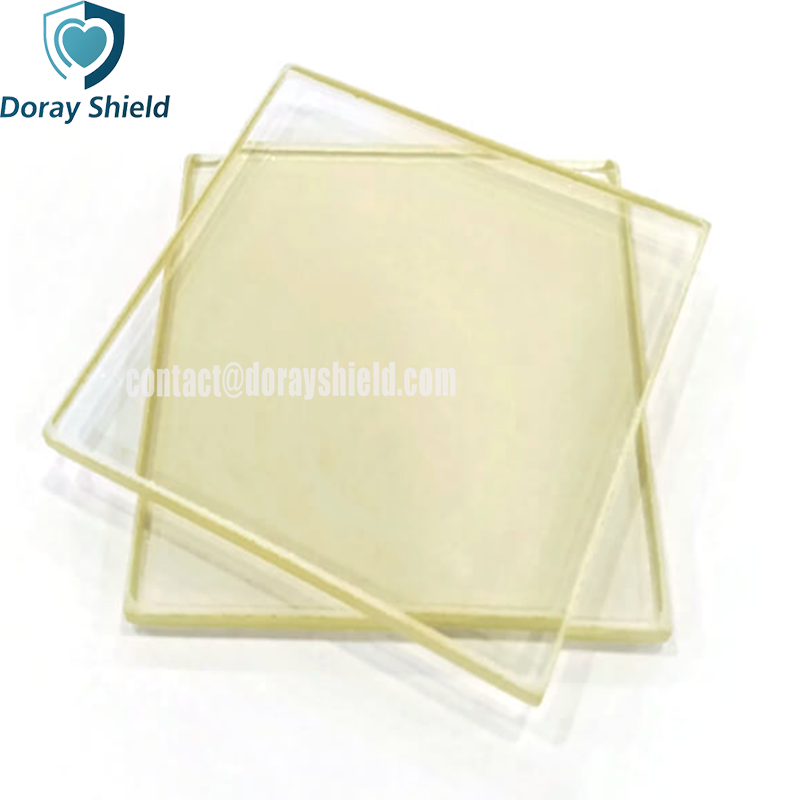
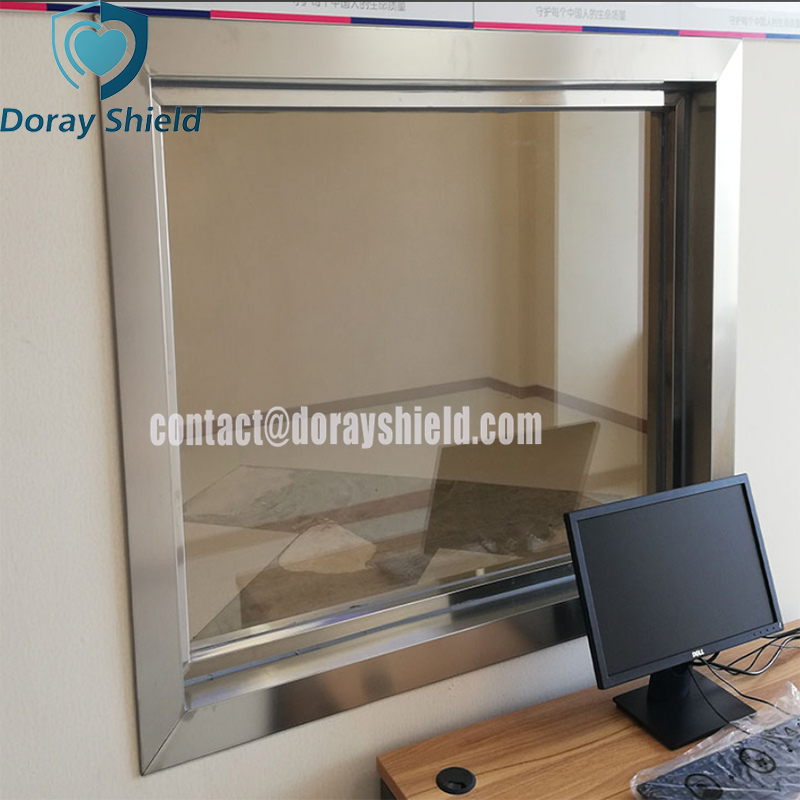
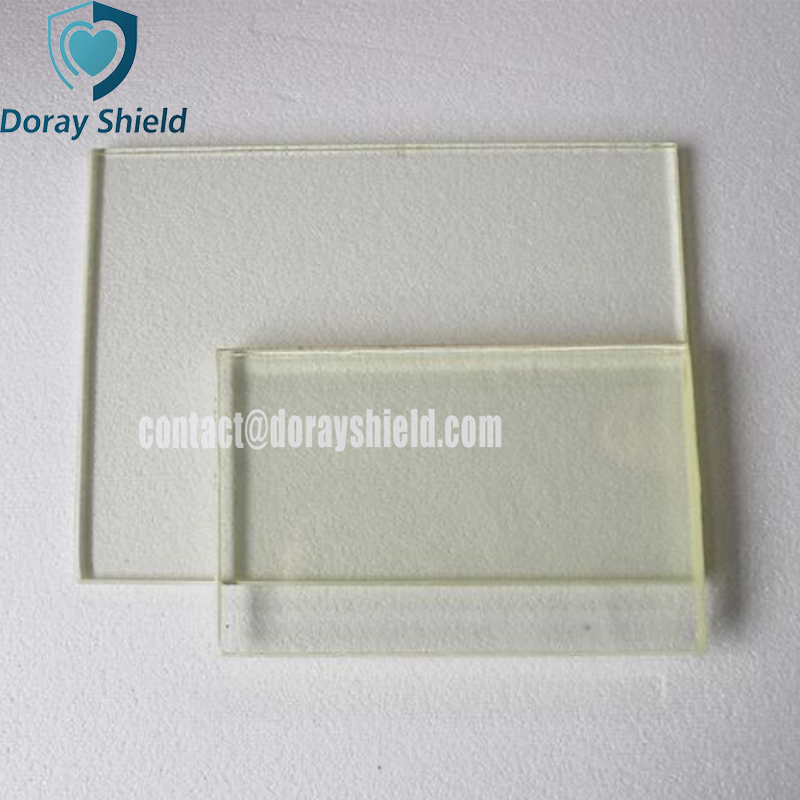
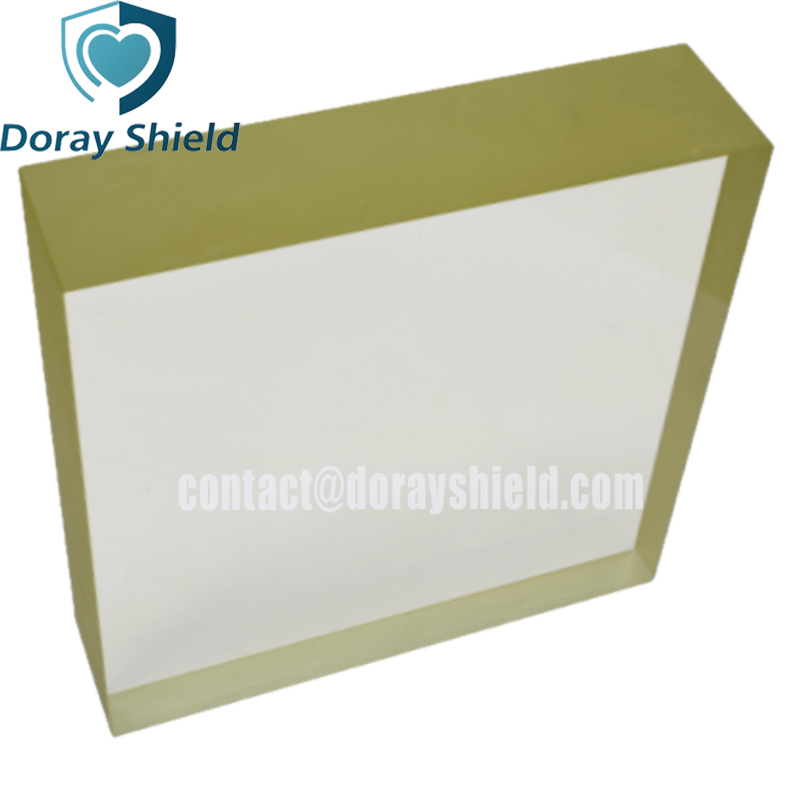
Radiotherapy Treatment Rooms: Used for wall shielding around high-energy beam equipment (such as proton or heavy-ion systems); often integrated with lead-glass observation windows to establish a comprehensive protection system.
Nuclear Medicine Hot Cells: Employed in radionuclide dispensing areas to construct sealed barriers using V-shaped interlocking lead bricks, preventing the leakage of high-activity sources.
Industrial Radiography: Serves as temporary or semi-permanent shielding walls, flexibly adapting to the inspection requirements of various workpieces.
Particle Accelerators: Used to construct multi-layer composite shielding structures within maze-like access passages, effectively attenuating both gamma rays and neutron radiation.
Nuclear Power Plant Maintenance: Enables the rapid construction of localized enclosures during unexpected leaks or equipment servicing to block residual radiation.
Irregular Space Filling: Custom-cut, non-standard modules can precisely fill laboratory corners or equipment gaps, eliminating gaps in radiation protection.
Lead Equivalent Matching: Precisely calculate the required lead equivalent based on the radiation type (X-ray or gamma-ray) and energy intensity. For instance, X-ray rooms typically require 2–3 mm Pb, whereas high-energy gamma-ray environments may necessitate 5 mm Pb or more.
Foundation Requirements: The installation surface must be solid and level, with height variations controlled within 2 mm; install a metal support frame if necessary to enhance stability for high-stacking configurations.
Sealing: Seal joints using lead putty with a lead content of ≥85%, and conduct periodic inspections with a gamma-ray detector to ensure there are no leakage points.
Delivery is prompt!
By 10-year industry experts!
Diverse payment methods available!
Unbeatable cost performance!