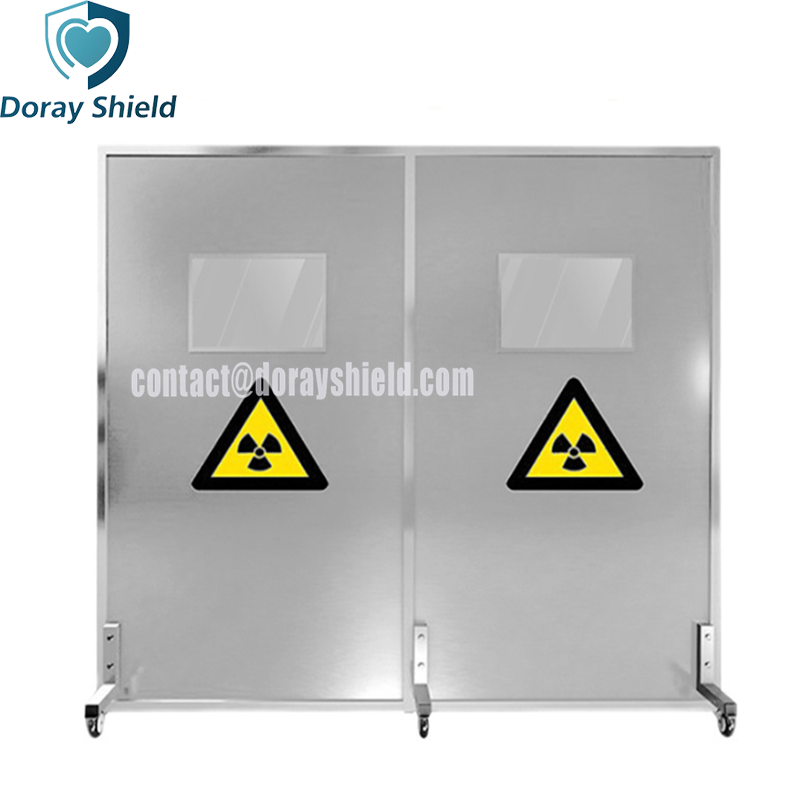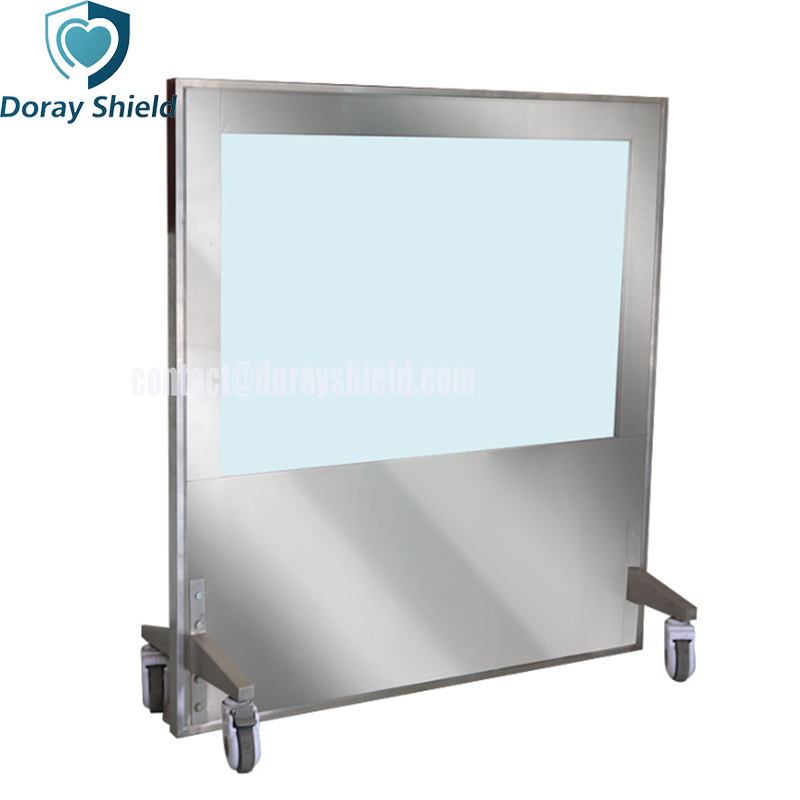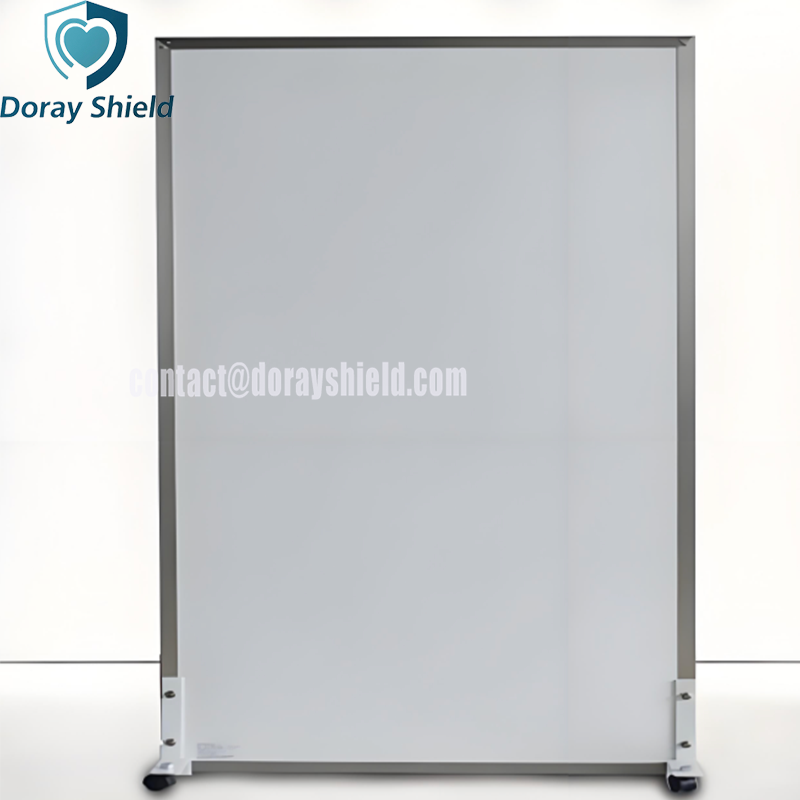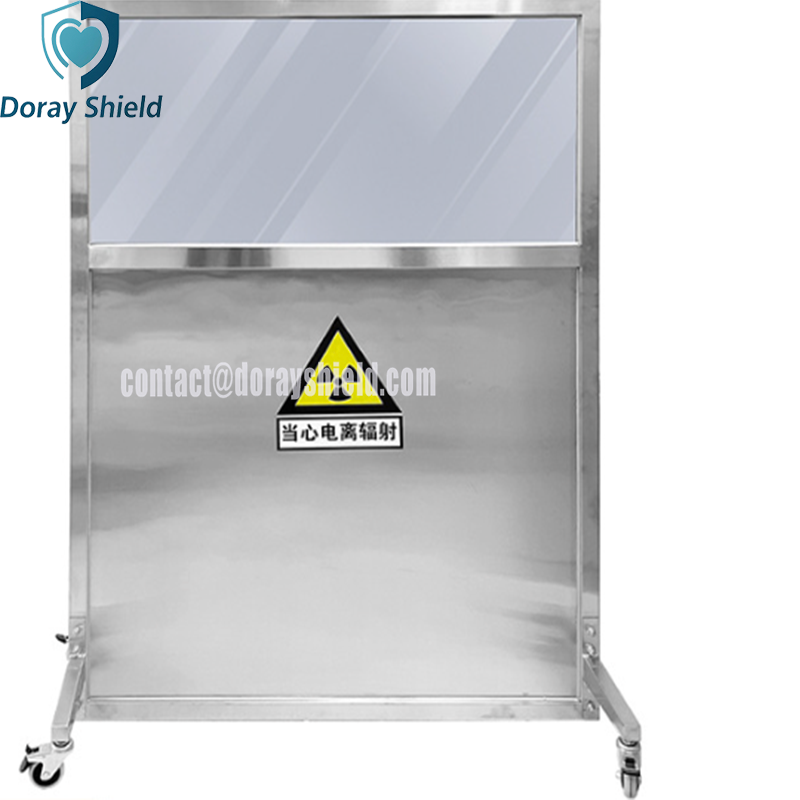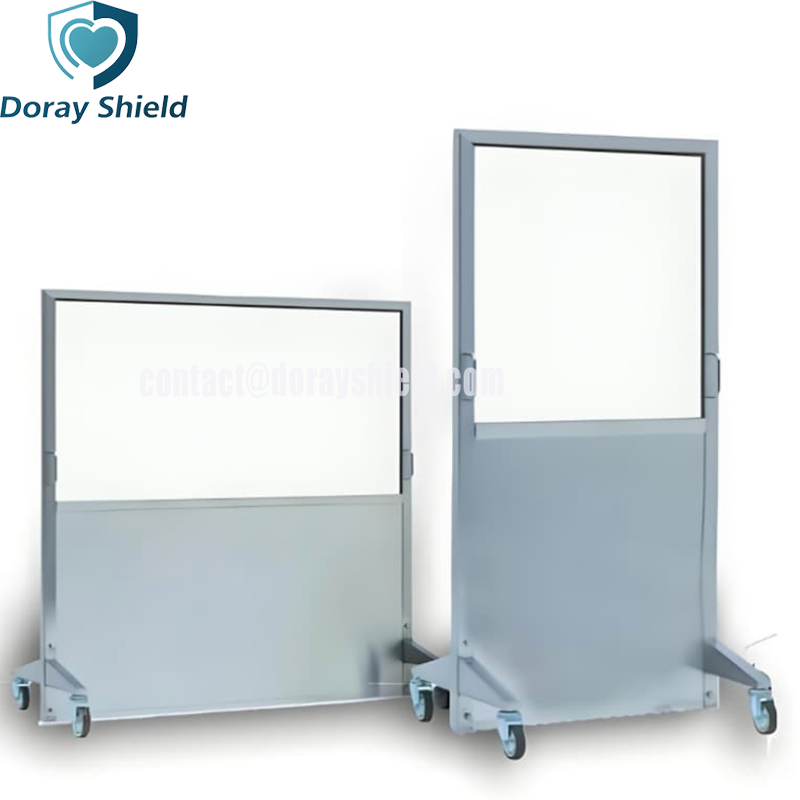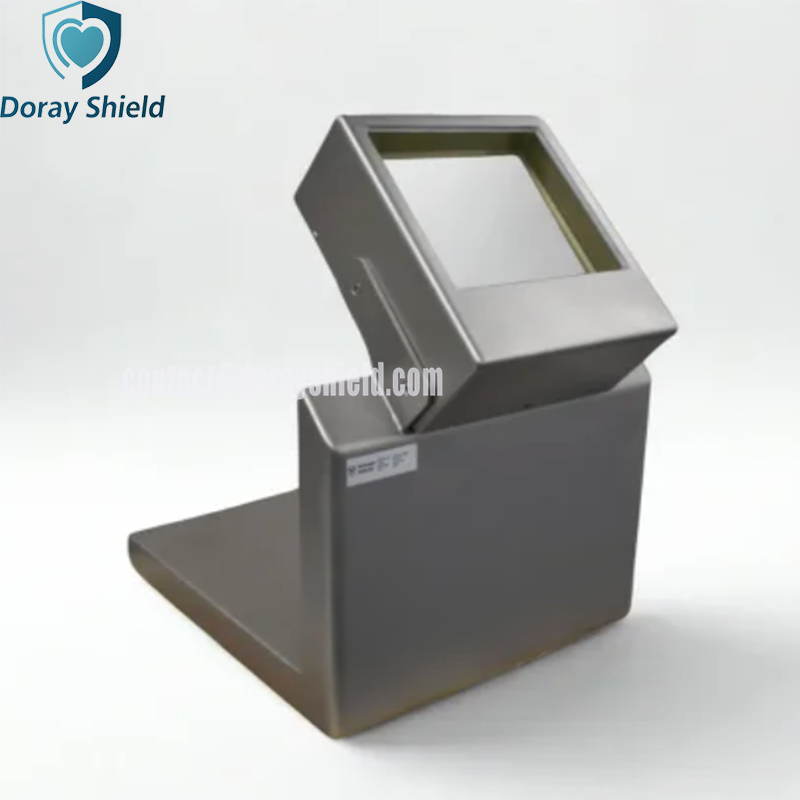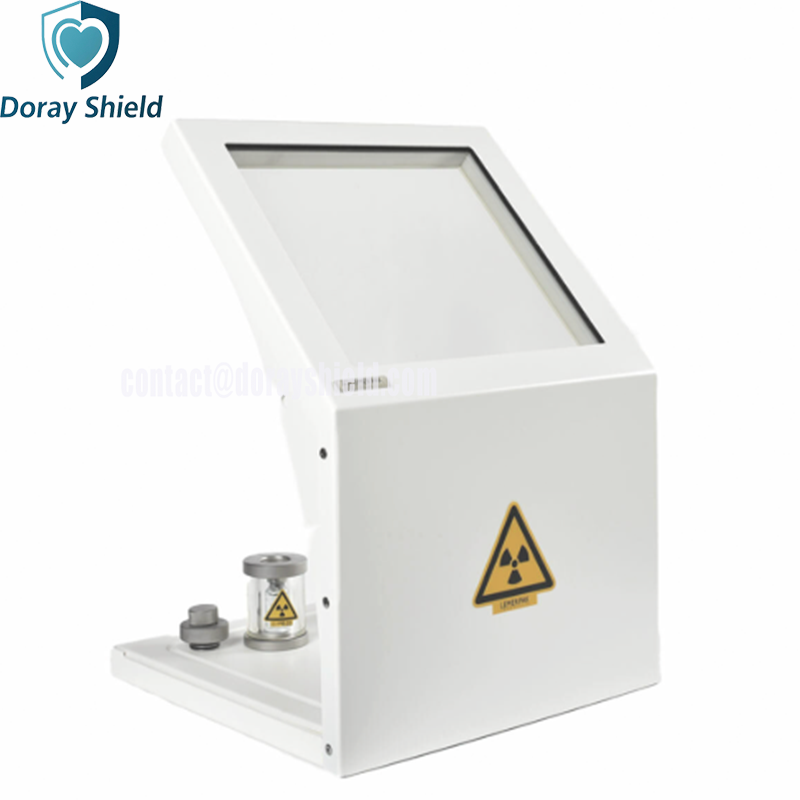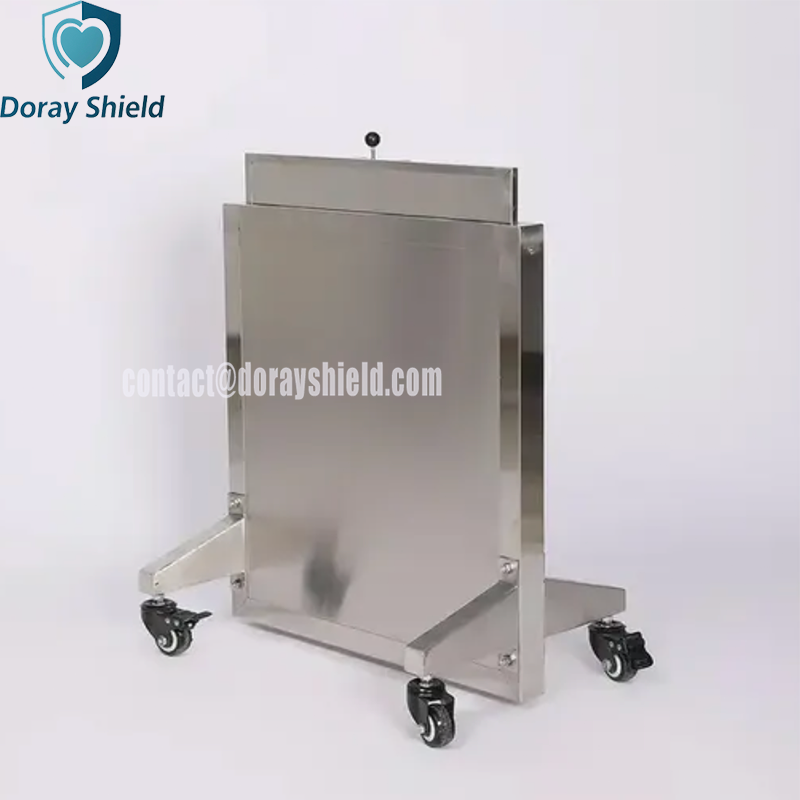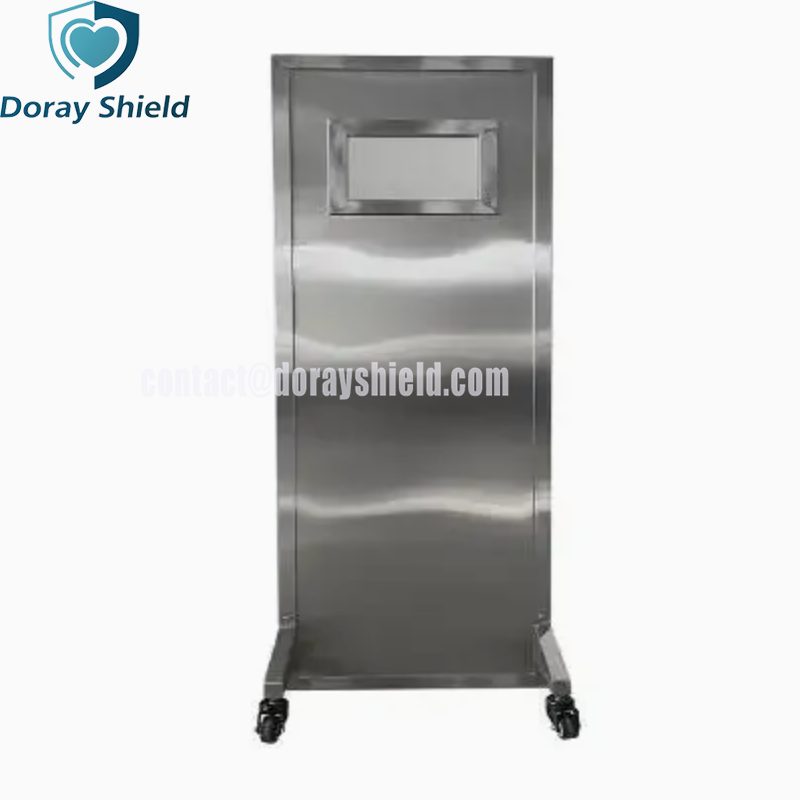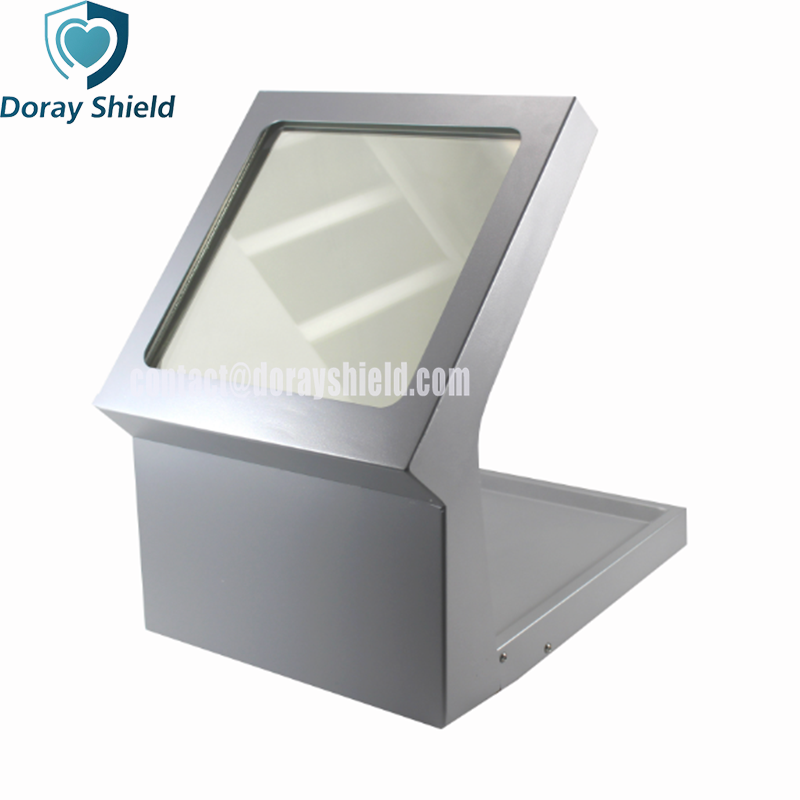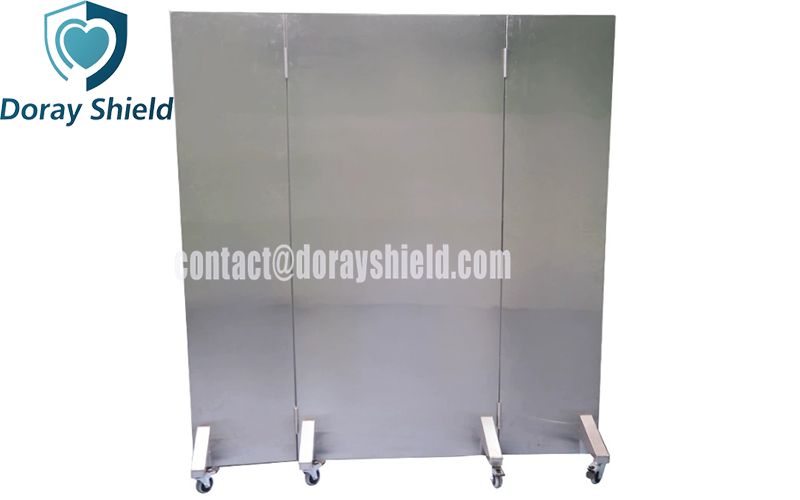
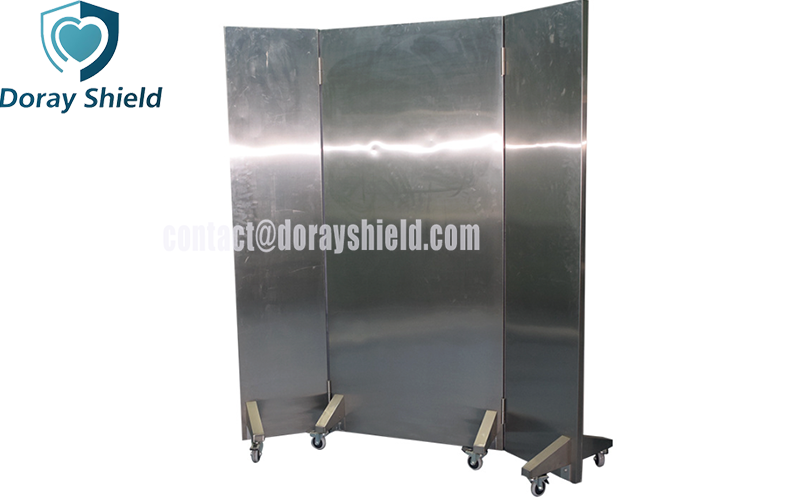
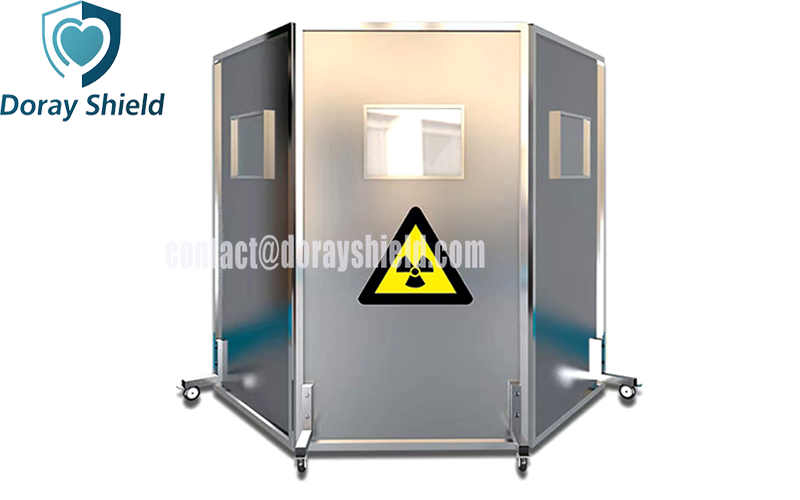
The Technologist Protection X-ray Mobile Barrier—also known as a medical lead screen or mobile protective barrier—is an indispensable piece of specialized radiation protection equipment within medical radiology departments, imaging centers, operating rooms, and emergency care settings. Primarily comprising a shielding body constructed from high-density lead or lead-bearing composite materials and integrated with a flexible mobile structure, this device is designed to provide immediate and effective isolation against ionizing radiation for radiologic technologists, medical staff, and patients. Serving as a critical hardware component for "shielding"—one of the three fundamental principles of radiation protection (time, distance, and shielding)—this mobile protective screen effectively absorbs and scatters high-energy radiation, such as X-rays and gamma rays, thereby significantly reducing the radiation dose rate in the vicinity of the operational area.
| Parameter | Typical Specification / Standard | Description |
| Lead Equivalence (Pb Equiv.) | Opaque Sections: ≥ 1.0 mmPb Transparent Sections: ≥ 0.5 mmPb – 1.0 mmPb Mobile Unit (Overall): Up to 2.0 mmPb | The higher the lead equivalent, the greater the protective capability. For mobile screens—where weight considerations are critical—the transparent section typically offers 0.5–1.0 mmPb protection, while the frame section offers a higher level of protection. |
| Dimensions | Total Width: ≥ 900 mm Effective Height: ≥ 1800 mm Typical Triple-Panel Configuration: 1800 × 1600 mm | The height must be sufficient to cover the primary radiation-sensitive areas of a standing adult (e.g., thyroid, breasts, gonads). |
| Protective Efficacy | Attenuation of Radiation Intensity ≥ 81.81% | Following the installation of the protective shield, the kerma rates at surrounding measurement points decreased significantly, falling within safe limits. |
| Applicable Tube Voltage | ≤120 kV (Diagnostic Grade) | Optimized for standard X-ray diagnostic equipment, certain high-intensity interventional devices require customization to provide a higher lead equivalent. |
Bedside Radiography: In ICUs, emergency rooms, or general wards—where technicians cannot retreat to a control room during portable X-ray examinations—mobile shields provide immediate, on-site radiation shielding.
Interventional Guidance in Operating Rooms: Used to provide real-time protection alongside C-arms or mobile X-ray units during procedures such as orthopedic reductions and vascular interventions.
Temporary Protection in Radiology Departments: Serves as a temporary supplementary shielding barrier when fixed protective facilities are insufficient or while equipment is undergoing maintenance.
Pediatric and Special Patient Examinations: Facilitates the immobilization of pediatric patients or those with limited mobility, while simultaneously protecting accompanying family members and operating personnel.
Industrial Inspection and Scientific Research: Applicable to non-medical X-ray detection scenarios—such as industrial flaw detection and scientific research—where mobile radiation shielding is required.
Positioning: Position the protective screen between the X-ray source and the operator, ensuring that the screen completely covers the area requiring shielding.
Angle Adjustment: If using a multi-panel screen, it may be unfolded to form an L-shaped or U-shaped enclosure to maximize the blocking of scattered radiation.
Maintain Distance: Despite the protection provided by the screen, technicians should still adhere to the principle of "protection by distance," keeping as far away from the radiation source as possible while utilizing the screen as an auxiliary safeguard.
Combined Protection: It is recommended to use the screen in conjunction with personal protective equipment (such as lead aprons, lead glasses, and thyroid shields) to achieve multi-layered protection.
Delivery is prompt!
By 10-year industry experts!
Diverse payment methods available!
Unbeatable cost performance!