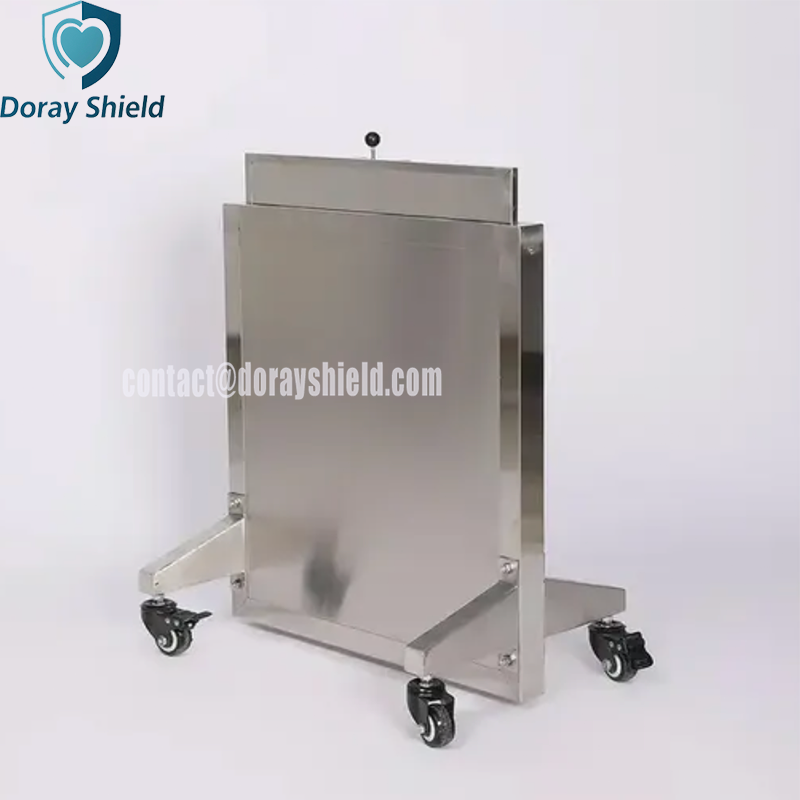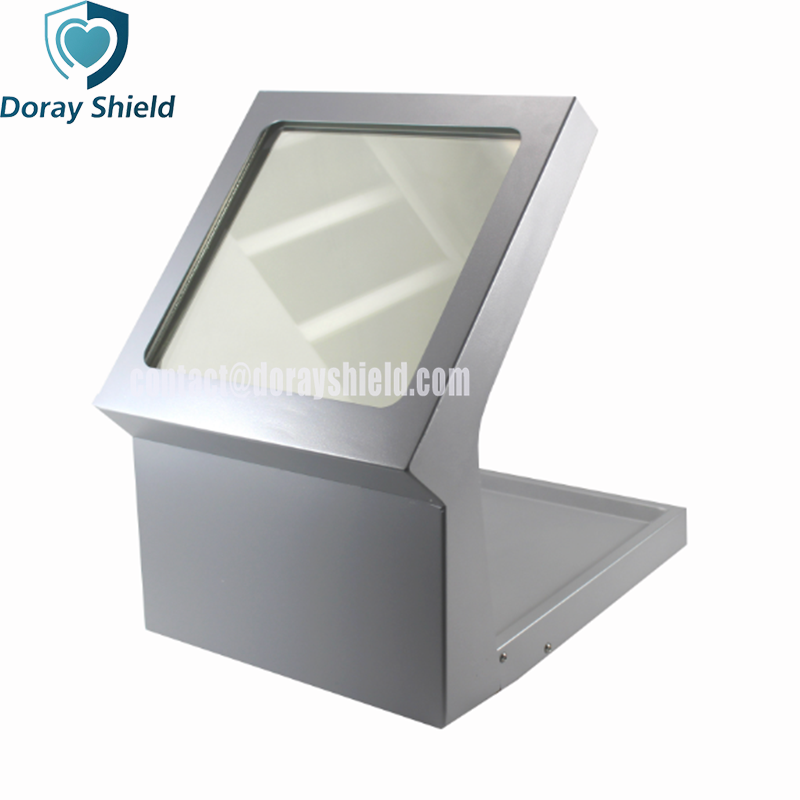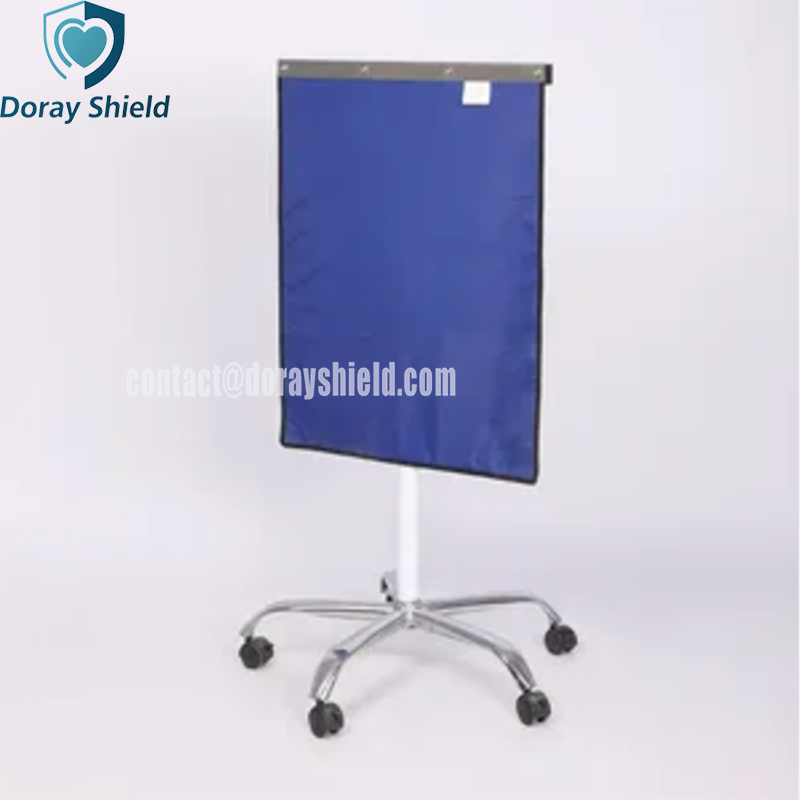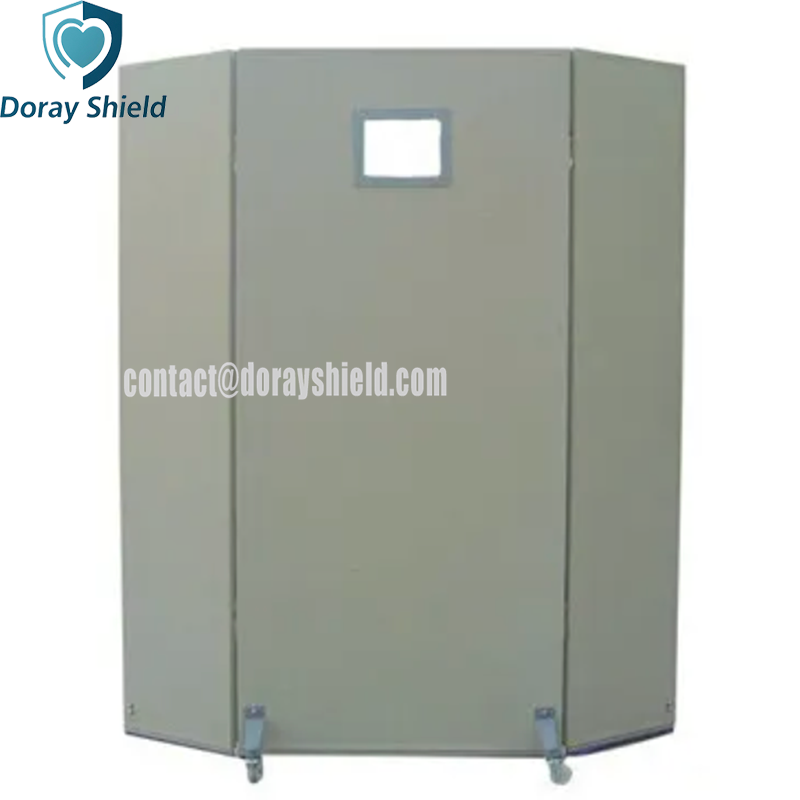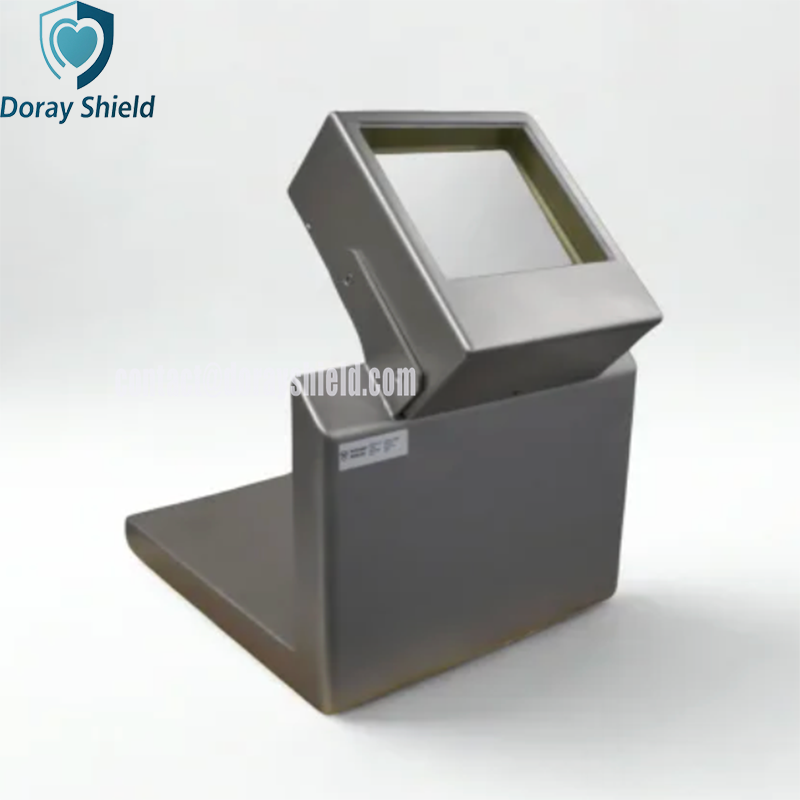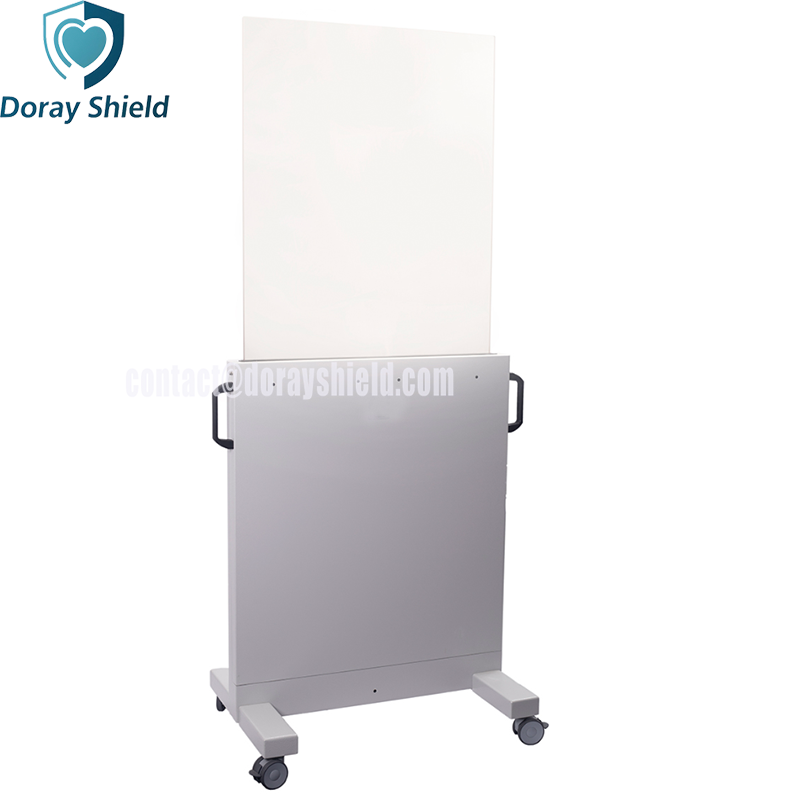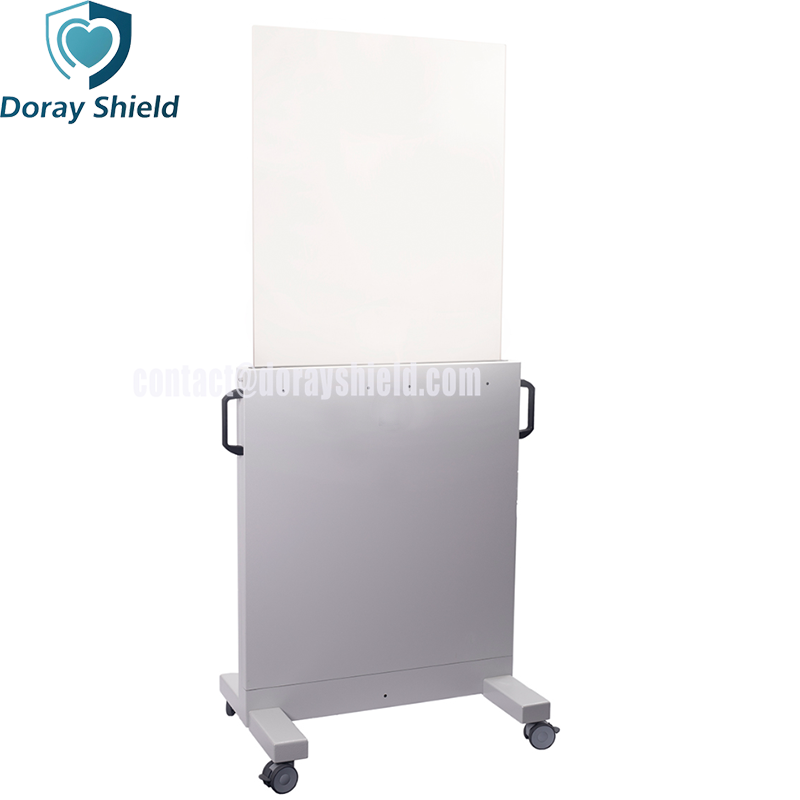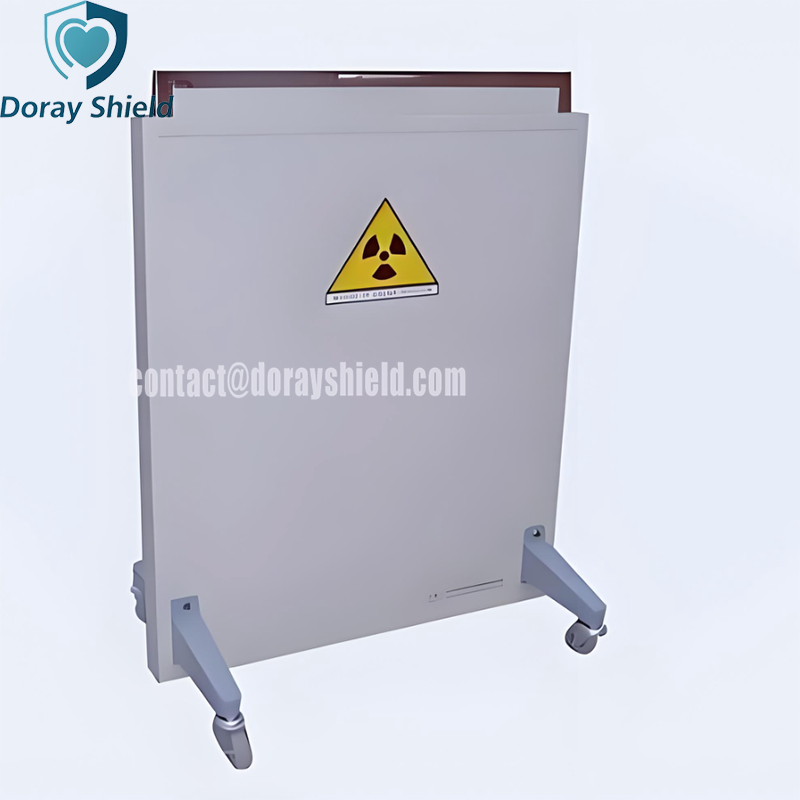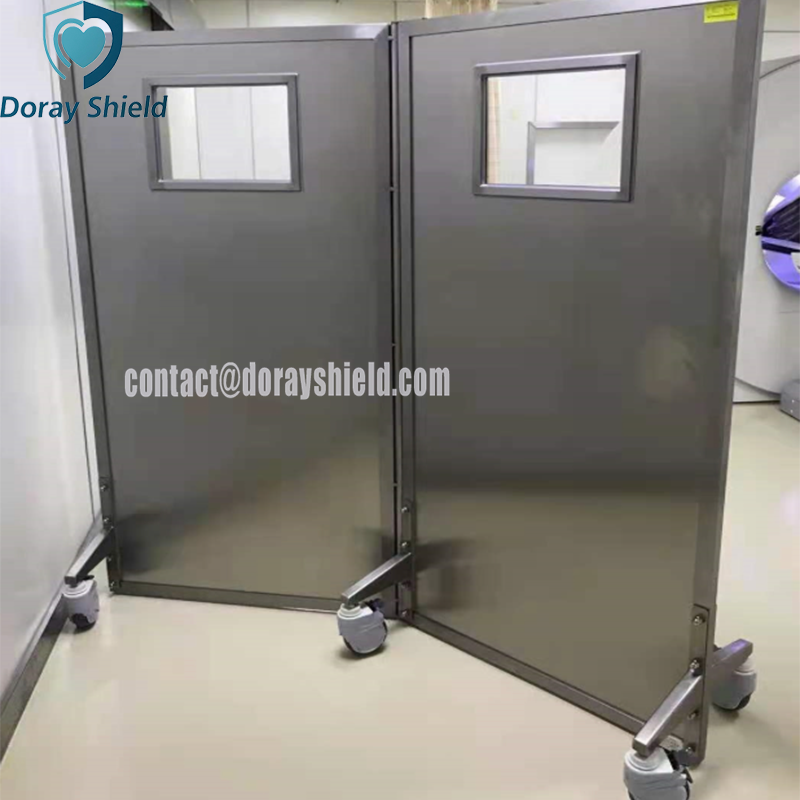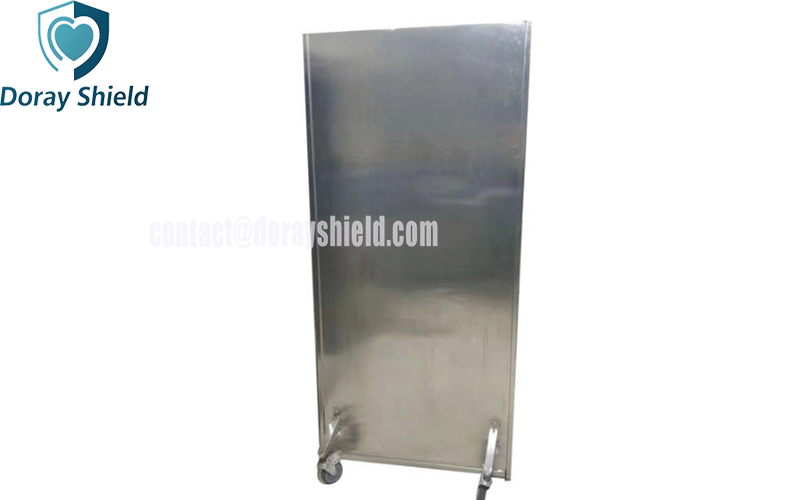
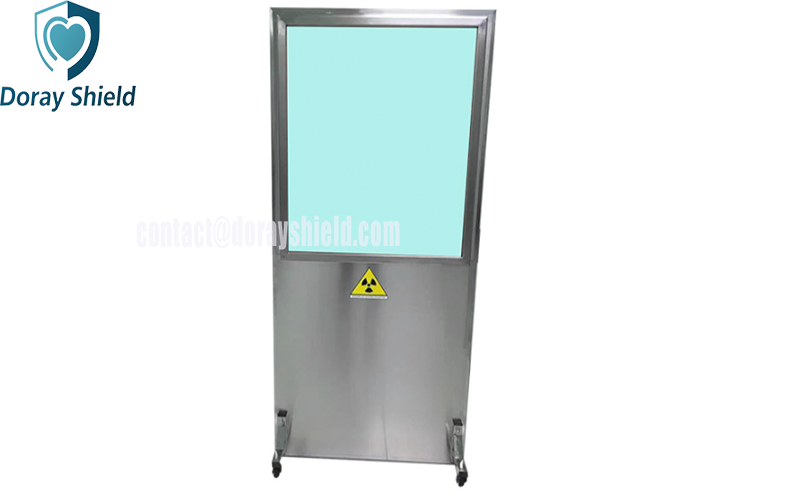
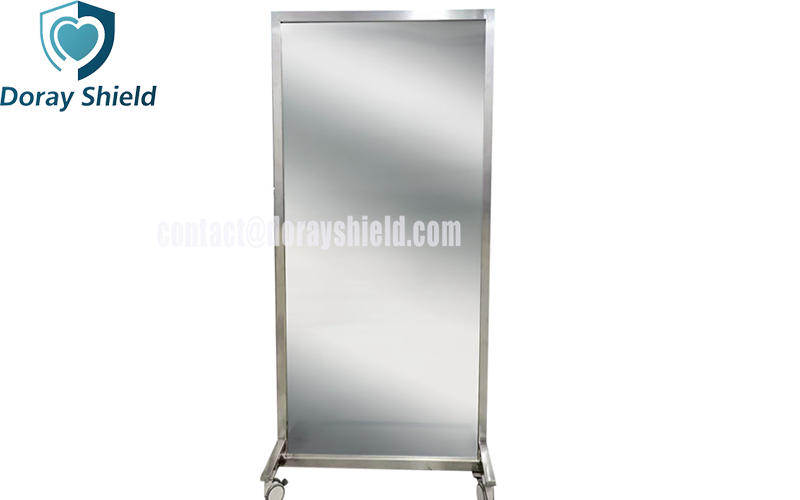
In modern healthcare, the widespread use of interventional radiology, nuclear medicine, and diagnostic imaging has drawn increasing attention to the occupational health risks faced by medical personnel due to prolonged exposure to ionizing radiation, such as X-rays. The core function of medical radiation shields is to attenuate radiation intensity through absorption and scattering, leveraging materials characterized by high density and high atomic numbers. Lead (Pb) has become the prevailing shielding material due to its excellent physical properties. Shielding effectiveness is typically measured in terms of "lead equivalence" (mmPb)—indicating the thickness of a pure lead plate required to achieve the same level of radiation attenuation. Common materials include lead-containing acrylic or lead glass laminated with explosion-proof film; these typically offer lead equivalence ratings of 0.5 mmPb, 0.8 mmPb, or 1.0 mmPb (or higher), ensuring essential protection while maintaining clear visibility. Nuclear medical interventional shield barriers often provide a lead equivalence of up to 2 mmPb, effectively blocking the vast majority of scattered radiation. As a vital component of radiation protection systems, medical radiation shields—particularly those used in interventional procedures—play an indispensable role in ensuring the safety of both medical staff and patients and in minimizing occupational radiation exposure.
Positioning: When in use, the screen should fully cover the area requiring protection; the distance between personnel and the screen, as well as the duration of radiation exposure, should be minimized. For mobile screens, ensure stable placement to prevent tipping.
Integration with Personal Protection: Protective screens are not a substitute for personal protective equipment (PPE). When performing examinations of the head, neck, chest, or abdomen, medical personnel must still wear protective gear such as lead aprons, thyroid collars, and leaded eyewear, thereby establishing a dual-layer protection system that combines shielding with wearable protection.
Angle and Height Adjustment: Suspended or adjustable screens should be positioned at the optimal height based on the medical personnel's height and standing position to ensure adequate protection for vital organs.
Material | Lead and Stainless Steel |
Lead Equivalent Thickness | 0.5-10mm Pb |
Size(HxWxT) | 1600mm X 800mm X 45mm or Customized |
Height | 1320mm-2000mm |
Overall Dimension | 1600mmx2000mm |
Lead Glass Window(LxH) | 600mmx800mm |
Delivery Time | 15--20 days |
Standard | ASTM, GB |
Certification | ISO 9001 |
Delivery is prompt!
By 10-year industry experts!
Diverse payment methods available!
Unbeatable cost performance!