During nuclear medicine diagnostic and therapeutic procedures, ionizing radiation—such as gamma rays emitted by radioisotopes—poses potential health risks to medical personnel and patients. Nuclear medicine radioprotection shields are devices constructed from high-density, high-atomic-number materials (e.g., lead, leaded glass, lead rubber) designed to attenuate or block radiation, thereby reducing the radiation dose received by individuals. Their core protective mechanism relies on the interaction between radiation and matter: as high-energy radiation passes through materials like lead, it is absorbed or scattered—primarily via the photoelectric effect, Compton scattering, and pair production—resulting in a significant reduction in radiation intensity. Serving as a critical physical barrier within the radiation protection system, these shields utilize high-efficiency shielding technology to substantially lower ambient radiation levels, making them indispensable equipment for ensuring radiation safety in medical environments.
Based on usage and functional requirements, radiation shielding screens for nuclear medicine are primarily categorized as follows:
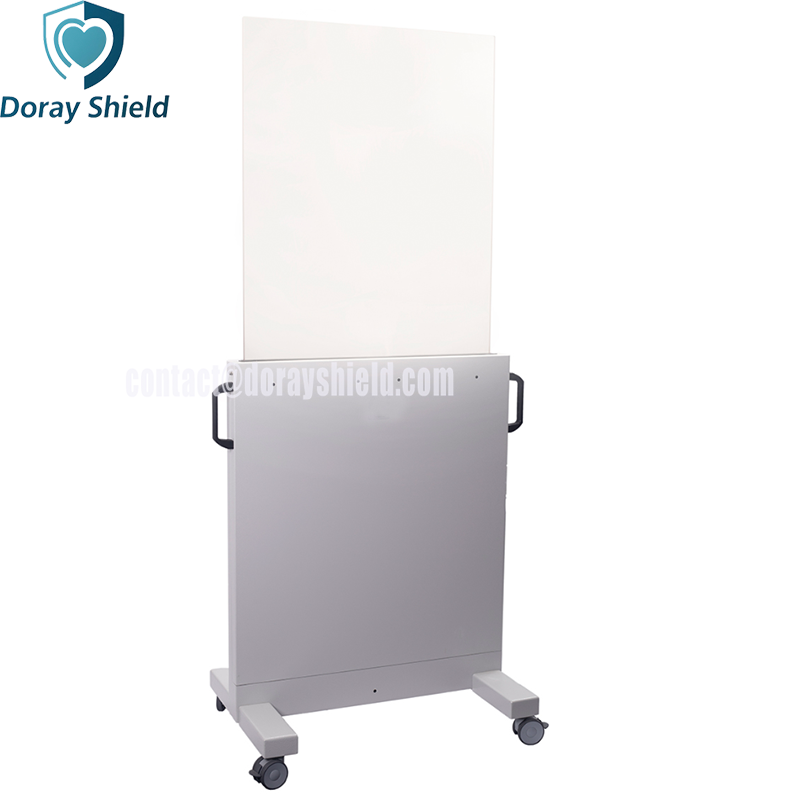
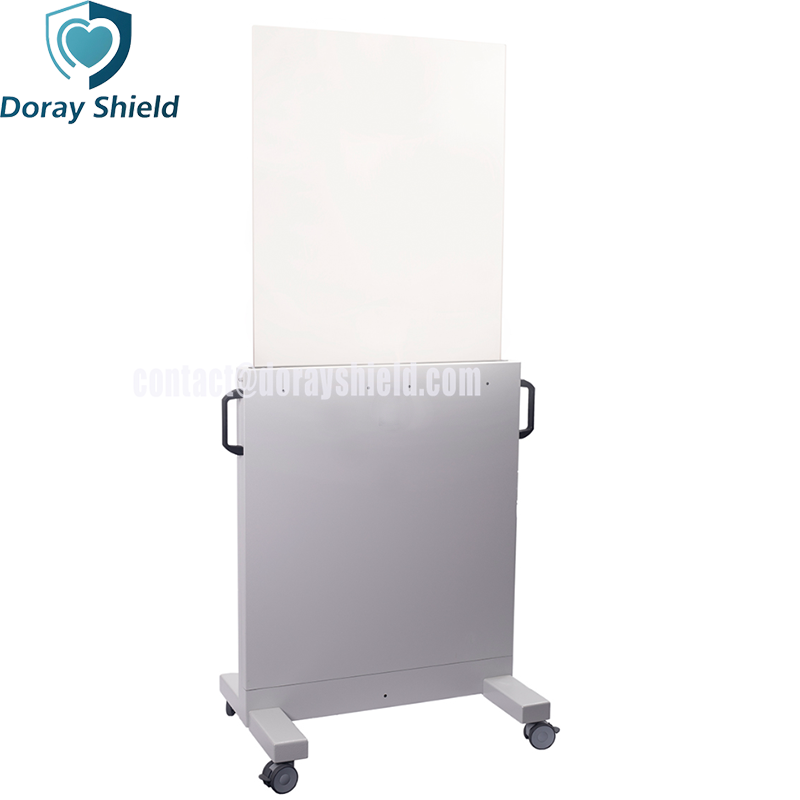
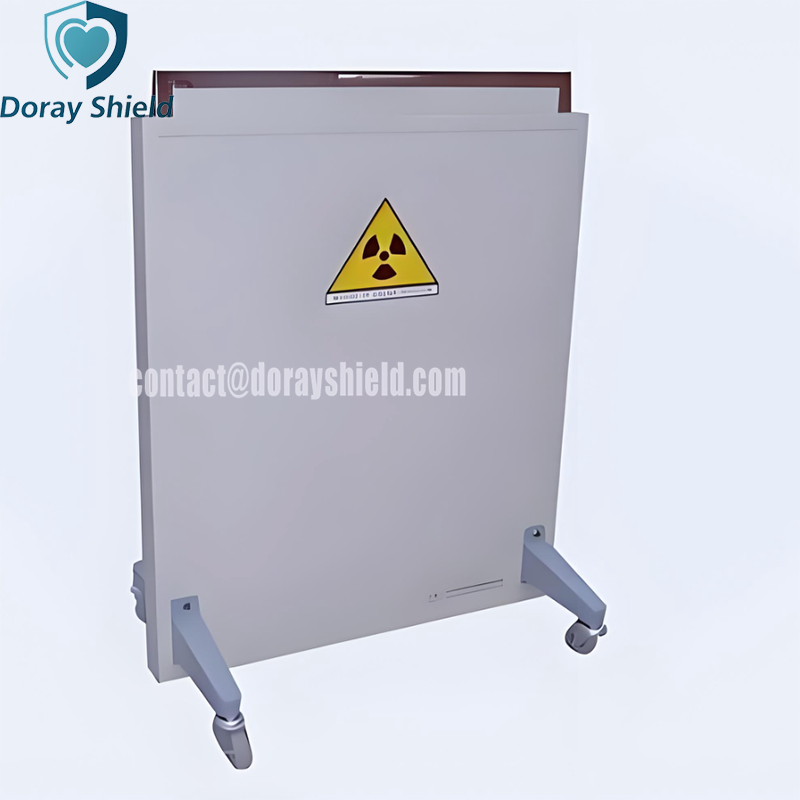
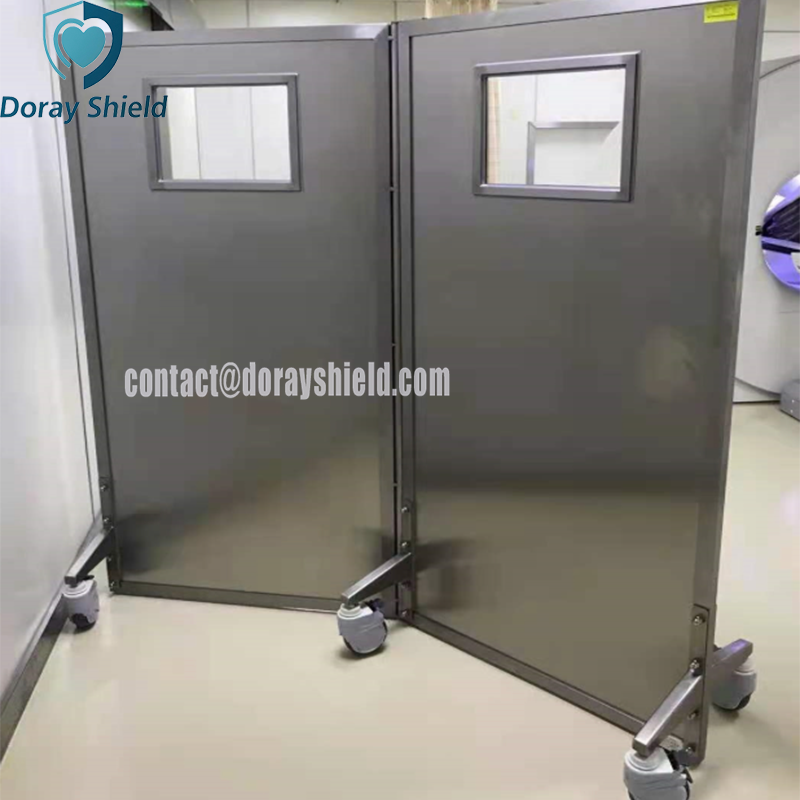
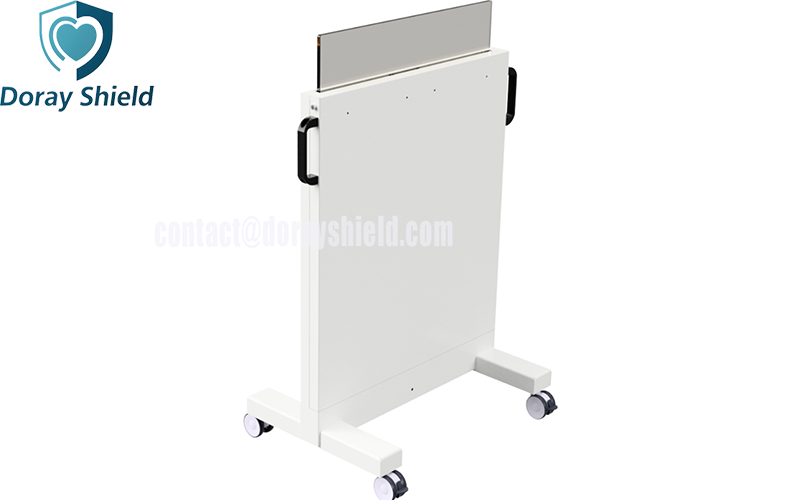
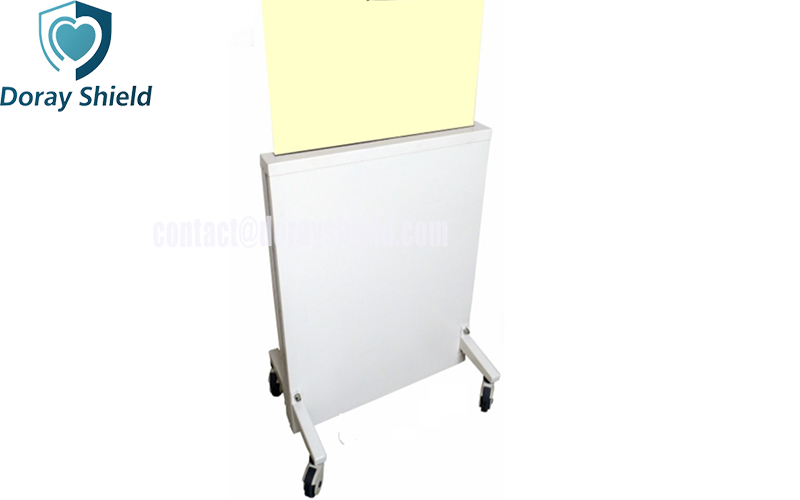
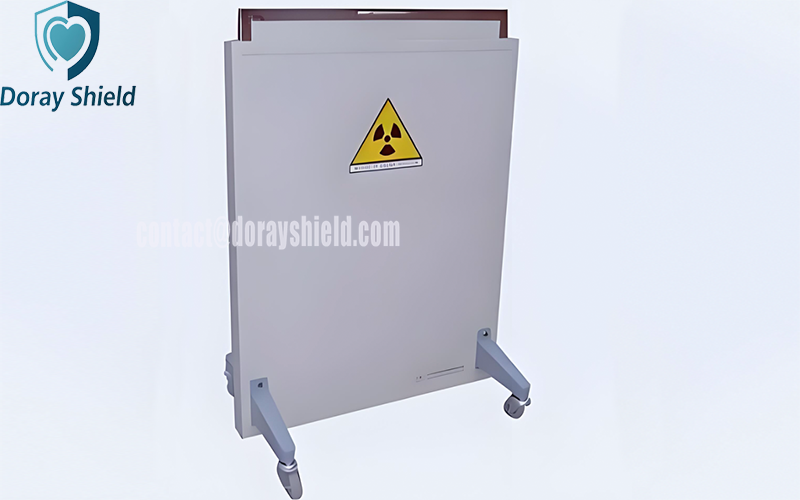
1. Mobile shielding screens
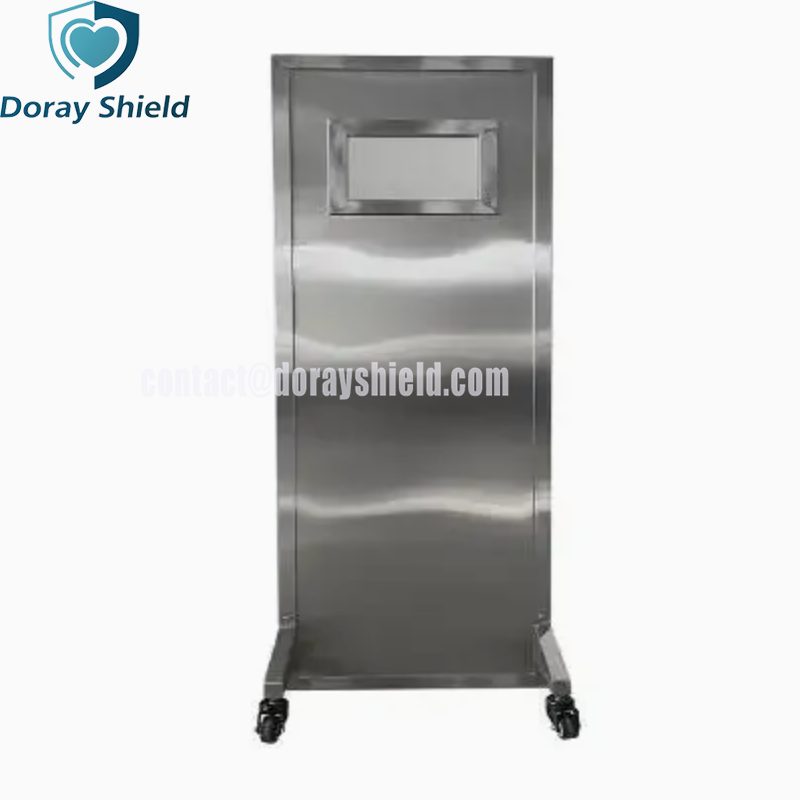
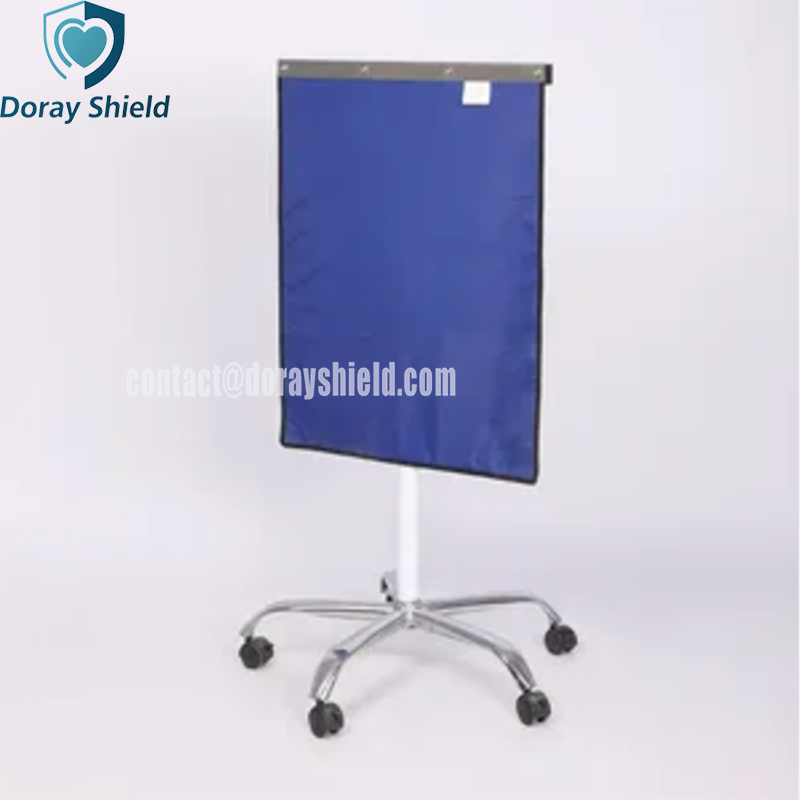
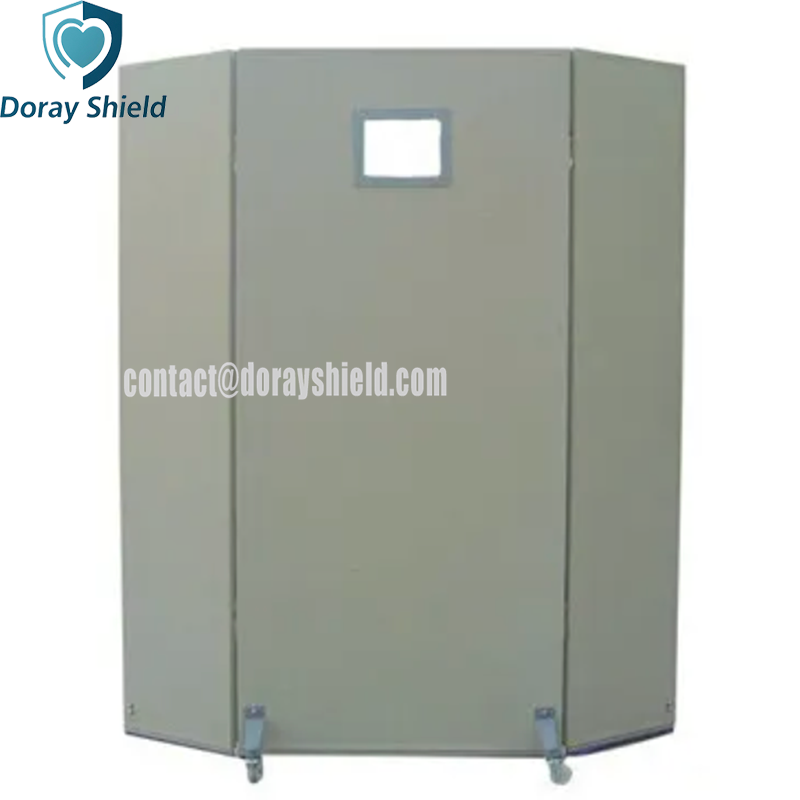
Features: Equipped with swivel casters at the base for easy mobility; some designs feature a three-panel folding structure that offers a large coverage area when unfolded.
Applications: Suitable for dynamic scenarios requiring frequent repositioning of shielding, such as bedside injections, emergency resuscitation, and interventional procedures in operating rooms. Medical staff can position the screen between themselves and the radiation source to establish immediate isolation.
2. Suspended/fixed shielding screens
Features: Mounted via ceiling or wall brackets, they offer stable positioning and do not occupy floor space.
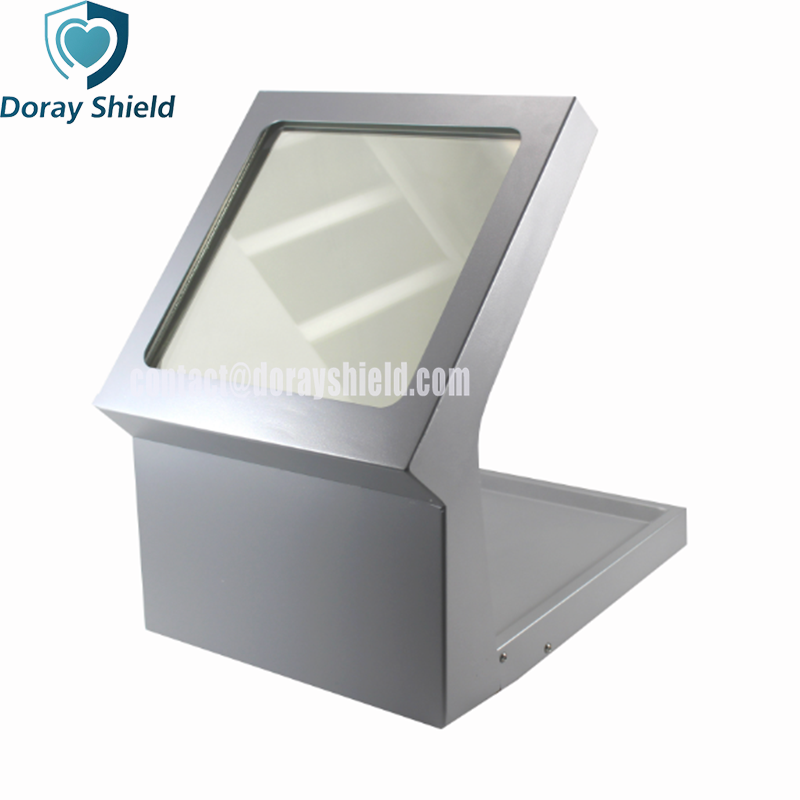
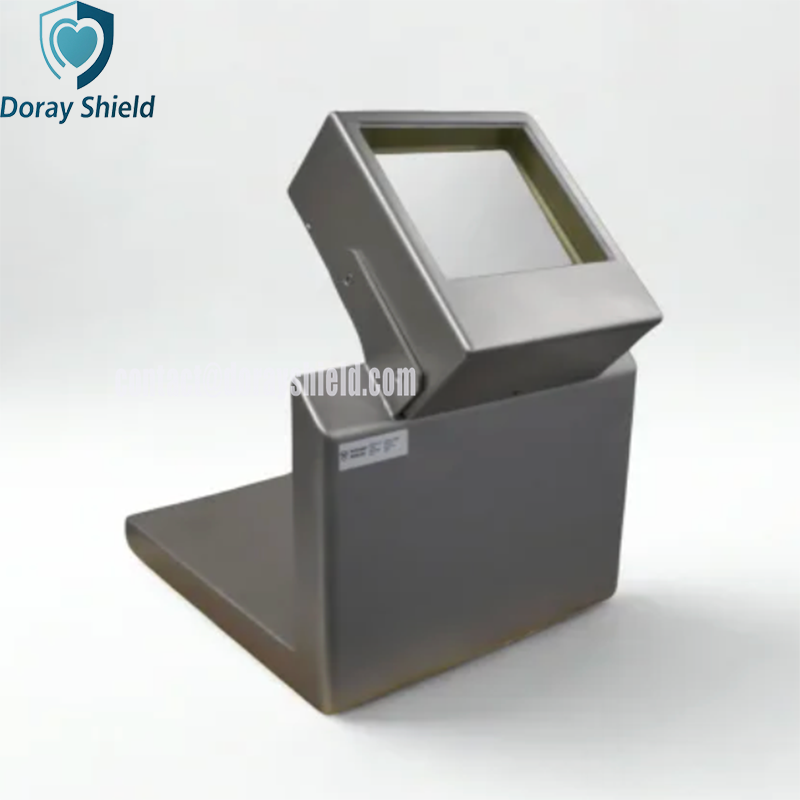
Applications: Commonly used at fixed workstations—such as radionuclide dispensing rooms, injection windows, and observation windows in SPECT/CT control rooms—to provide continuous, stable background shielding.
3. Specialized shielding components
Includes items such as flexible lead-rubber curtains and localized shielding panels; these are used to fill gaps between the main screen and other facilities, thereby preventing radiation leakage.
Lead Equivalent (mmPb): A key indicator of shielding capability, representing the radiation-shielding effectiveness of a material in terms of the equivalent thickness of pure lead. Nuclear medicine applications, which involve high-energy gamma rays, typically require higher lead equivalents (e.g., 1.0 mmPb to 2.0 mmPb or higher).
Light Transmittance and Clarity: For screens equipped with viewing windows, light transmittance directly affects operational precision. National standards require a transmittance of ≥80% at a wavelength of 550 nm; high-end products can exceed 85% and feature minimal parallelism deviation to prevent visual distortion.
Structural Stability and Durability: The equipment must withstand daily impacts, wiping with disinfectants, and long-term radiation exposure without deforming, cracking, or suffering performance degradation. High-quality products can have a service life of 15 to 20 years.
Delivery is prompt!
By 10-year industry experts!
Diverse payment methods available!
Unbeatable cost performance!