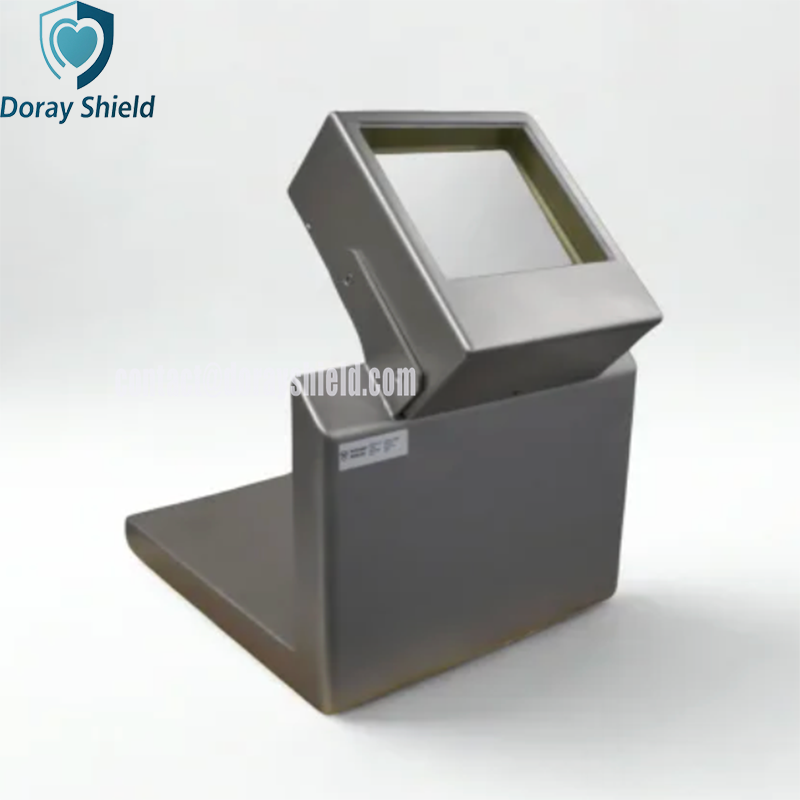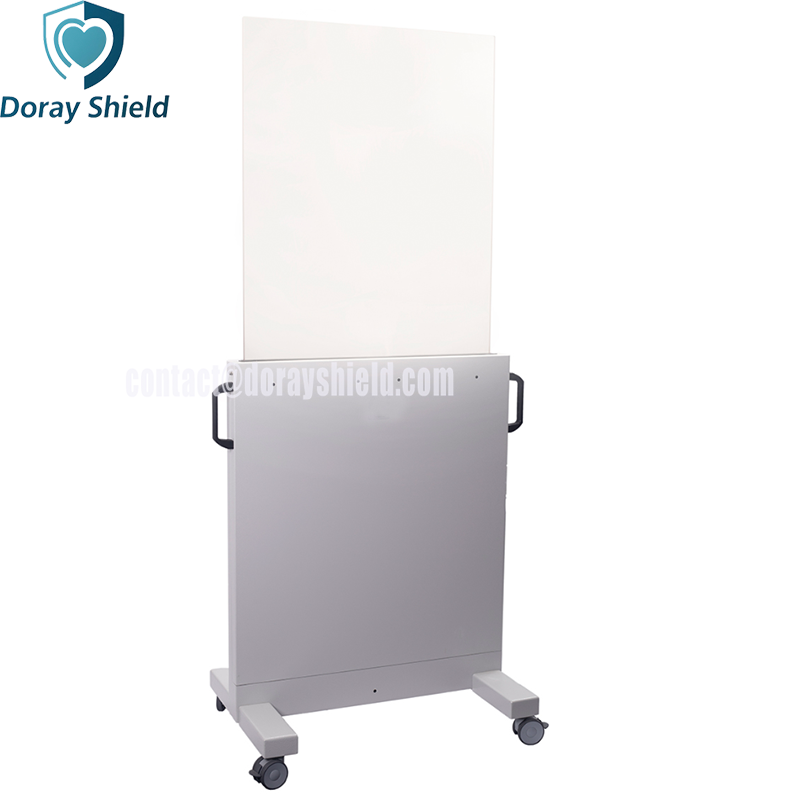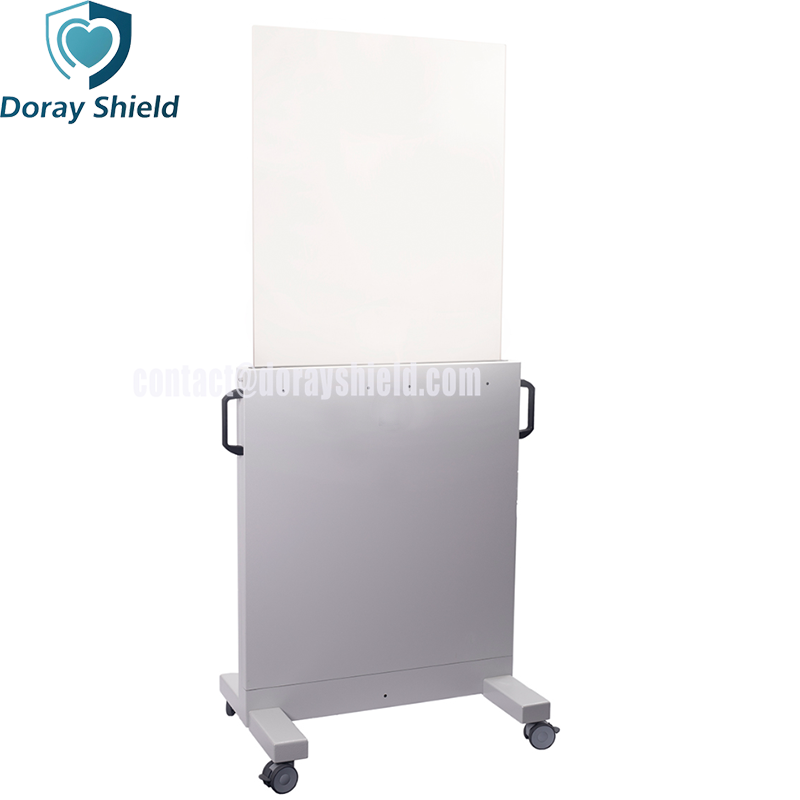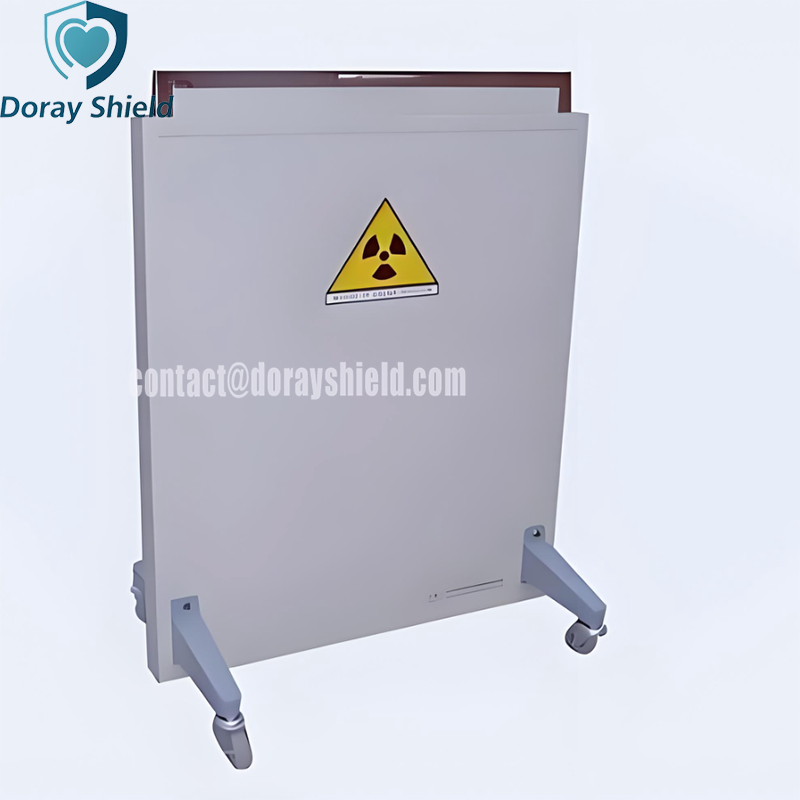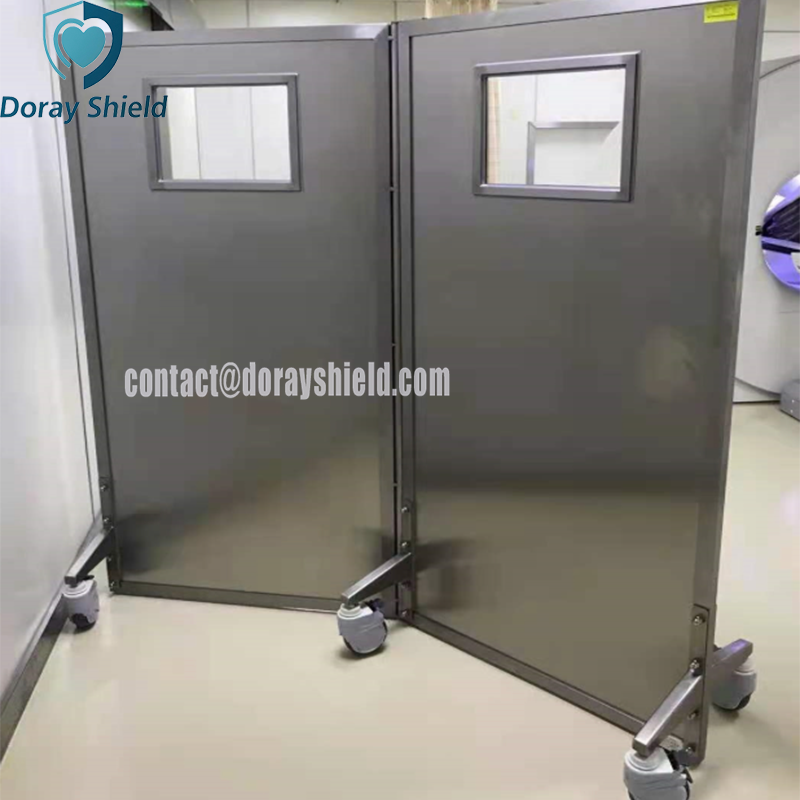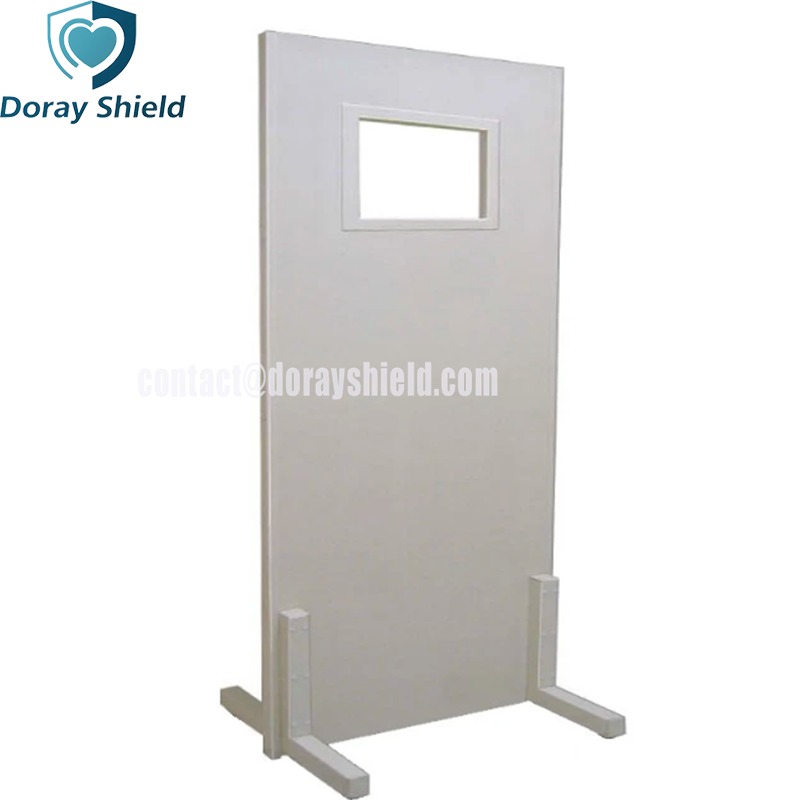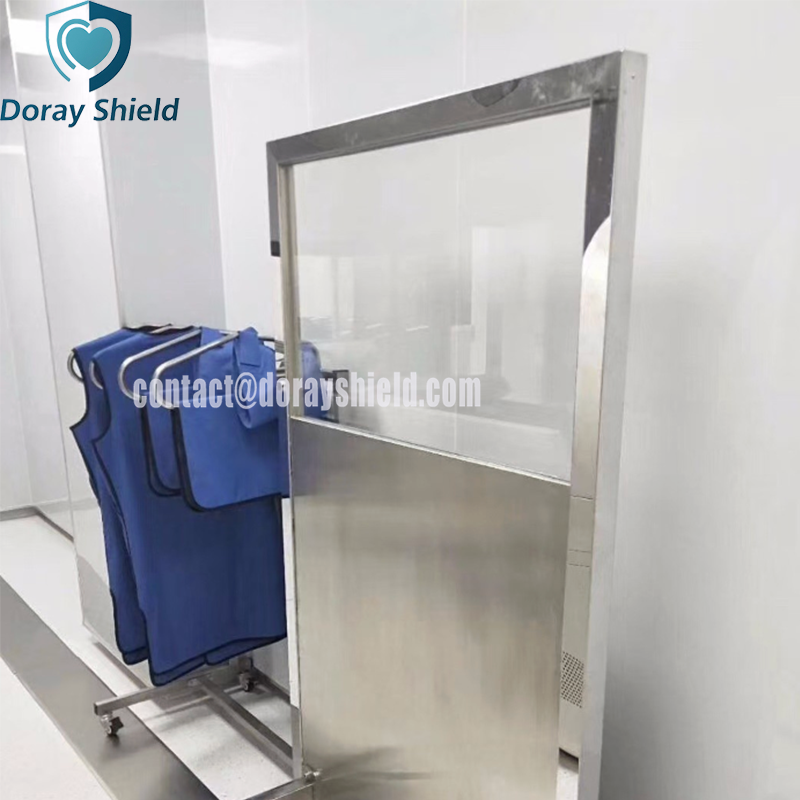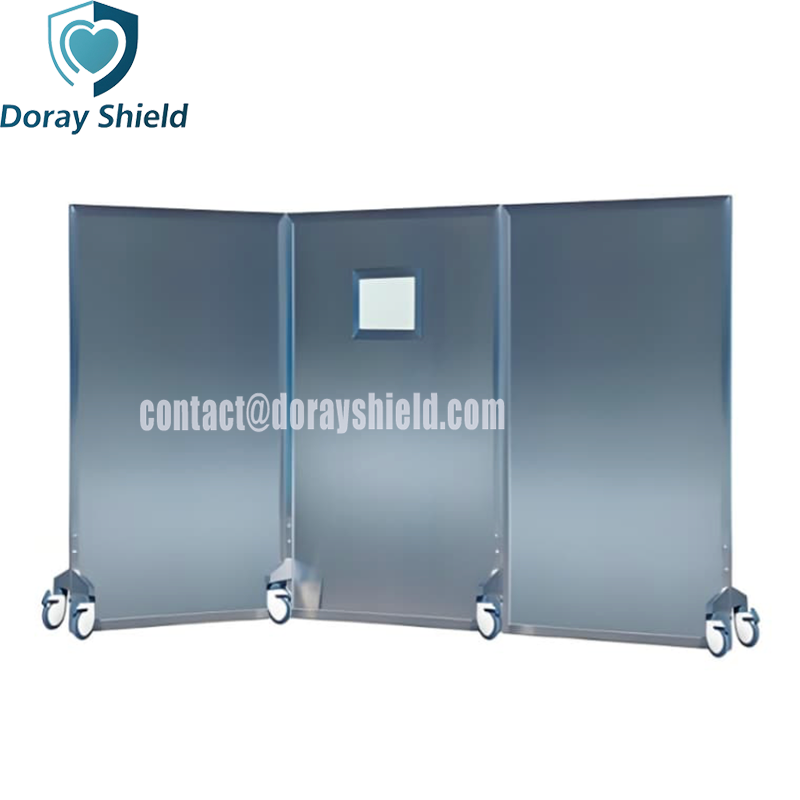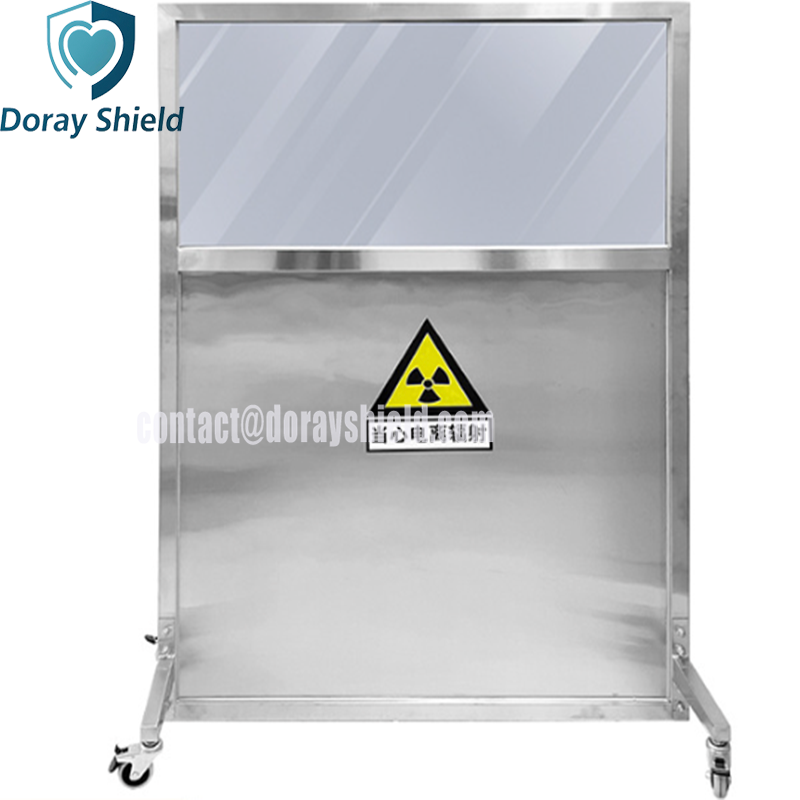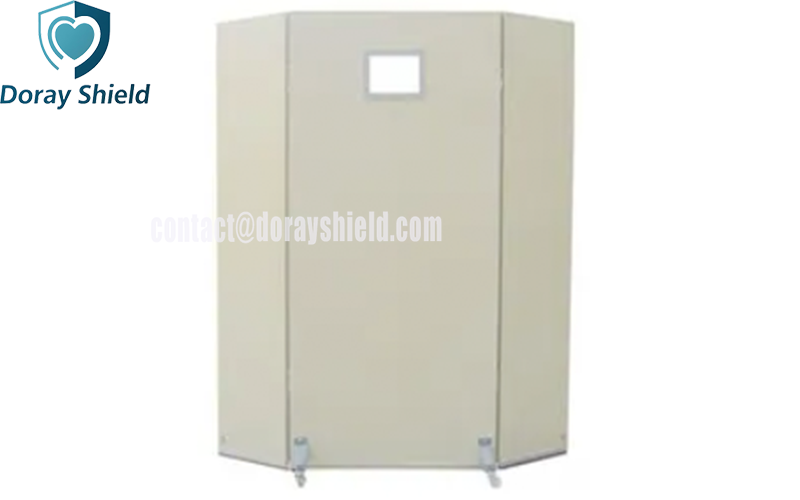
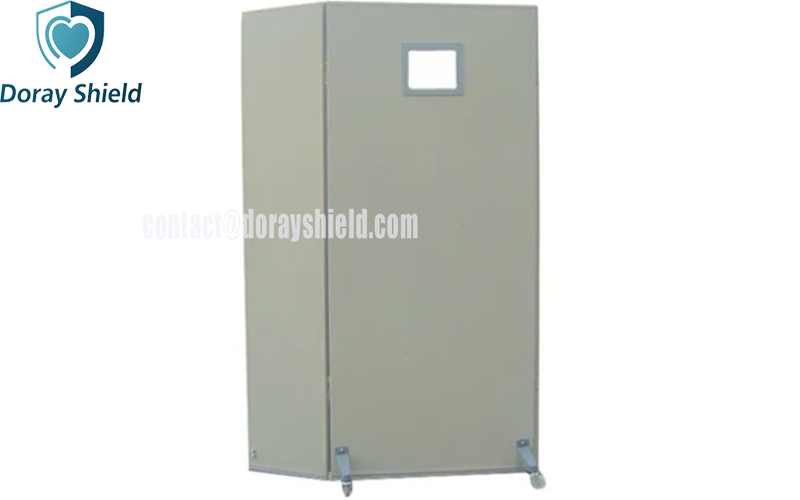
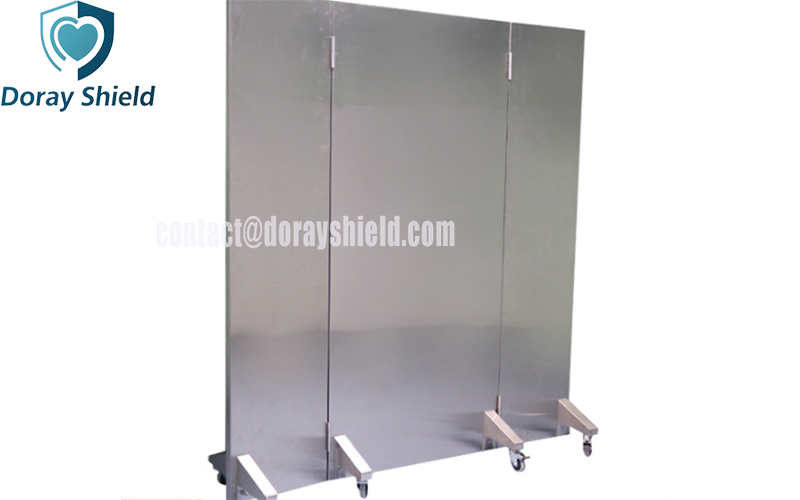
Lead shielding screens for nuclear medicine imaging are medical radiation protection devices designed for use in radiology departments, imaging centers, nuclear medicine departments, and interventional operating rooms. The core shielding mechanism of lead protective screens relies on the high density (approximately 11.34 g/cm³) and high atomic number of lead. When high-energy radiation passes through a lead sheet, it interacts with lead atoms—through processes such as the photoelectric effect and Compton scattering—resulting in significant attenuation of the radiation's energy. Shielding performance is measured in terms of "lead equivalence" (mmPb), which represents the radiation attenuation capability of a given thickness of shielding material expressed as the equivalent thickness (in millimeters) of pure lead. By utilizing high-density lead materials to absorb and scatter ionizing radiation—such as X-rays and gamma rays—these screens create a physical barrier intended to effectively reduce radiation exposure for medical staff, patients, and the surrounding environment, thereby safeguarding occupational health and public safety. As an integral component of modern medical radiation protection systems, lead shielding screens are widely employed in both mobile and fixed settings, including bedside radiography, emergency examinations, interventional procedures, and radionuclide dispensing.
Interventional procedures: During cardiovascular interventional surgeries, physicians operate for extended periods under X-ray fluoroscopy. Serving as a secondary protective measure, lead screens reduce the cumulative dose of scattered radiation. Data show that installing these protective screens reduces the average air kerma rate at various measurement points around the X-ray unit by 81.81%, bringing levels well below national regulatory limits.
Routine imaging examinations: Used to partition control rooms for equipment such as DR, CT, and gastrointestinal imaging systems, protecting technicians from direct or scattered radiation.
Nuclear medicine diagnosis and therapy: Protective screens are installed in areas for radionuclide injection, dispensing, and patient waiting to block the transmission of high-energy gamma rays.
Industrial flaw detection: Used in applications such as non-destructive testing of aerospace components and pipeline weld inspections to shield against high-energy X-ray or gamma-ray sources.
Scientific research: Provides localized shielding protection in laboratories handling radioactive isotopes or radiation-generating devices.
Material | Lead and Stainless Steel |
Lead Equivalent Thickness | 0.5-10mm Pb |
Size(HxWxT) | 1600mm X 800mm X 45mm or Customized |
Height | 1320mm-2000mm |
Overall Dimension | 1600mmx2000mm |
Lead Glass Window(LxH) | 600mmx800mm |
Delivery Time | 15--20 days |
Standard | ASTM, GB |
Certification | ISO 9001 |
Delivery is prompt!
By 10-year industry experts!
Diverse payment methods available!
Unbeatable cost performance!