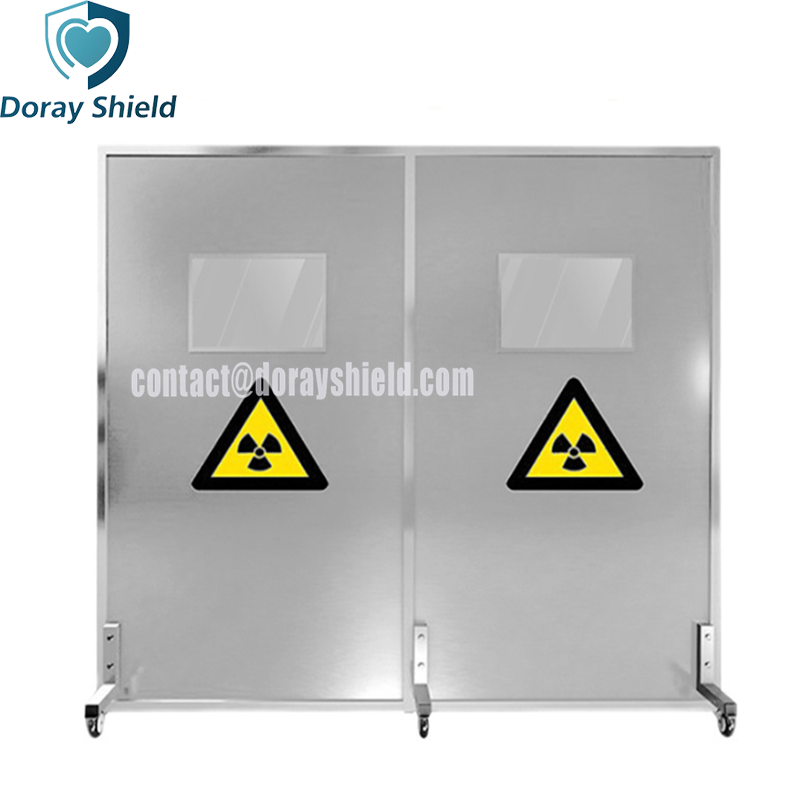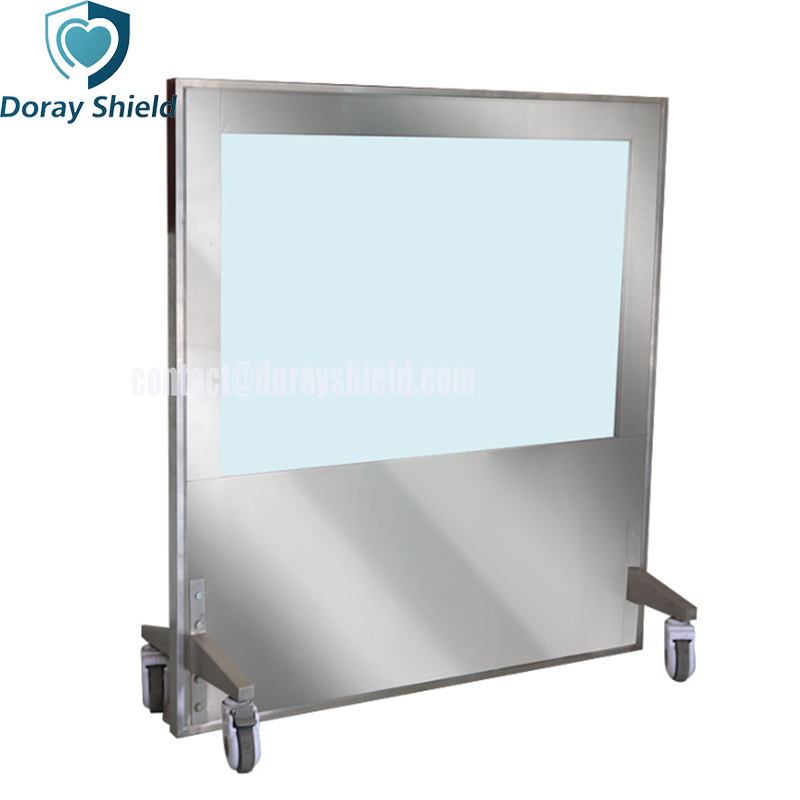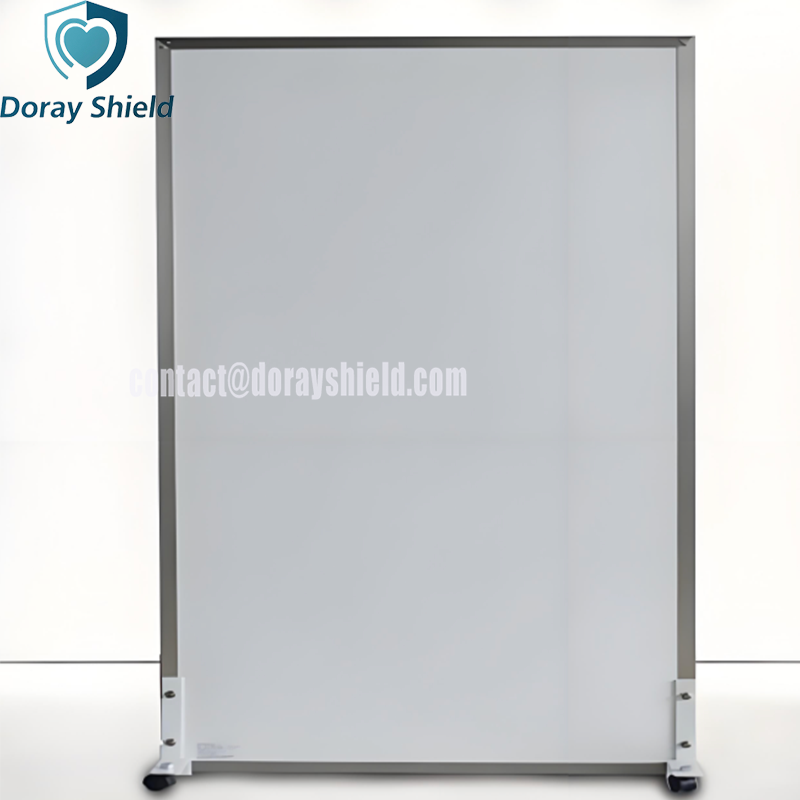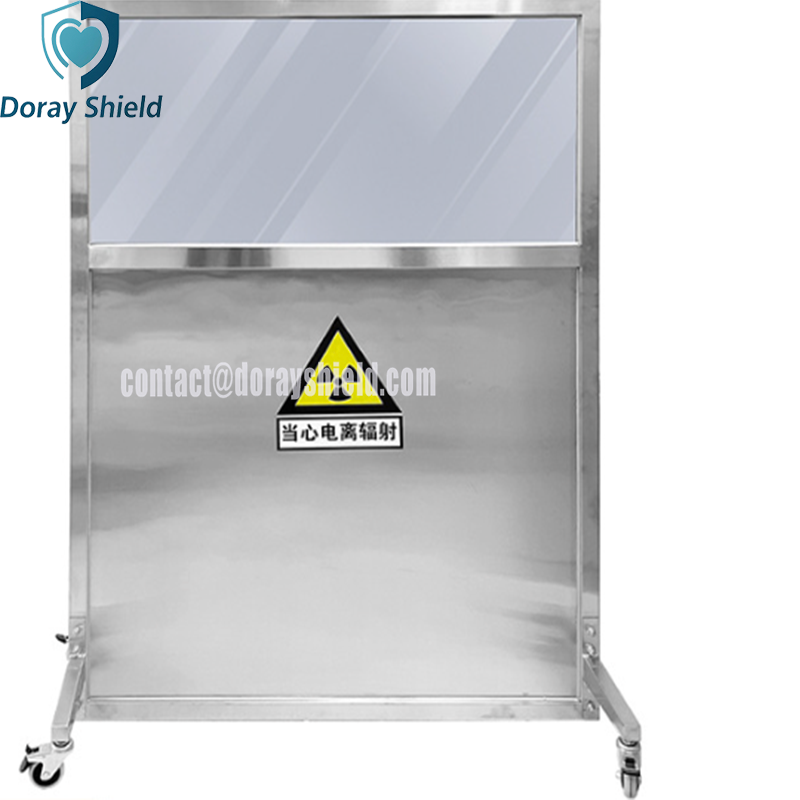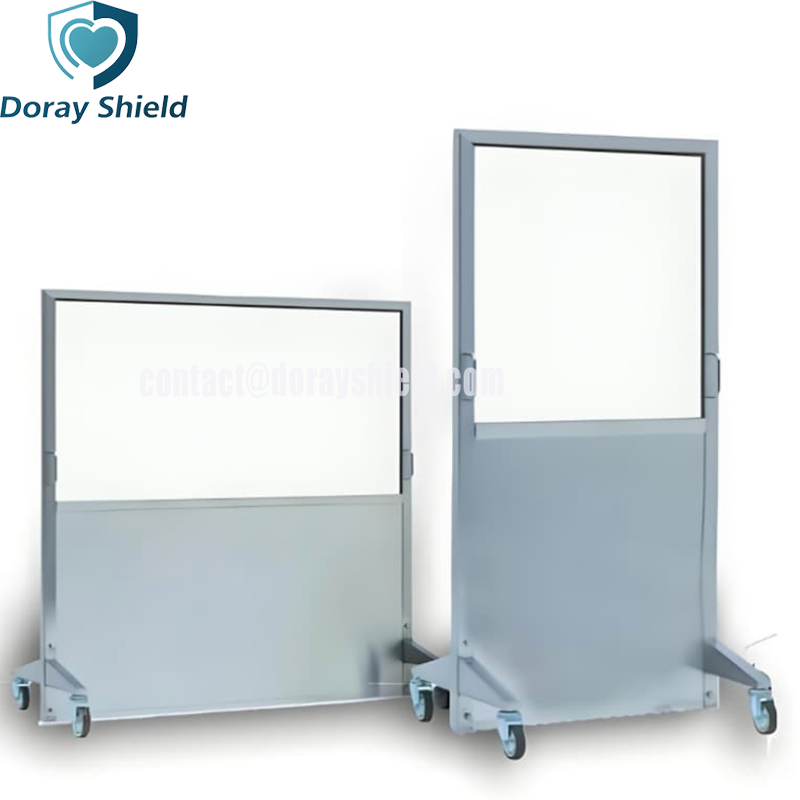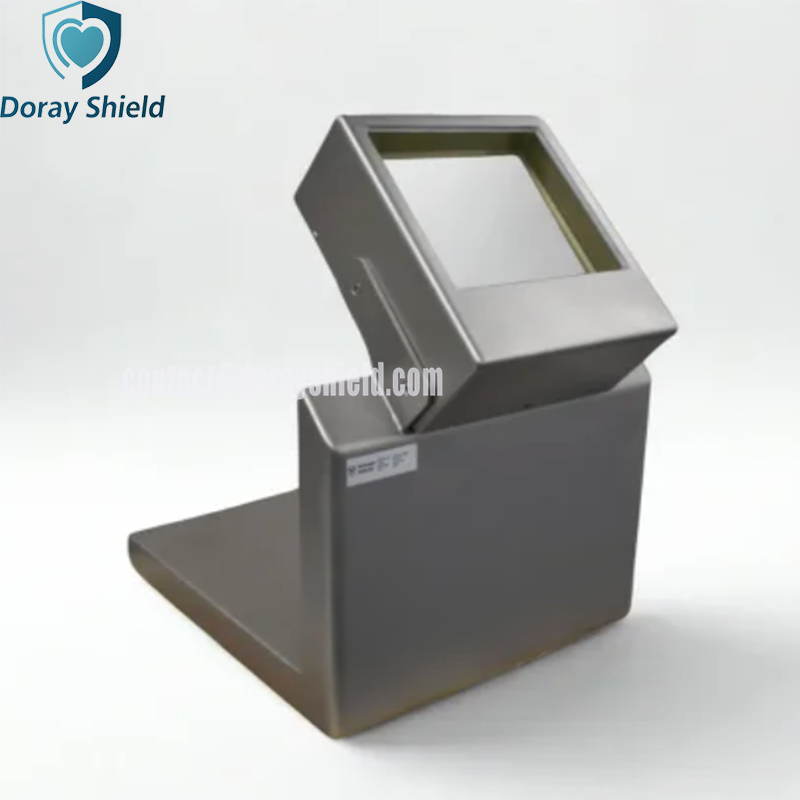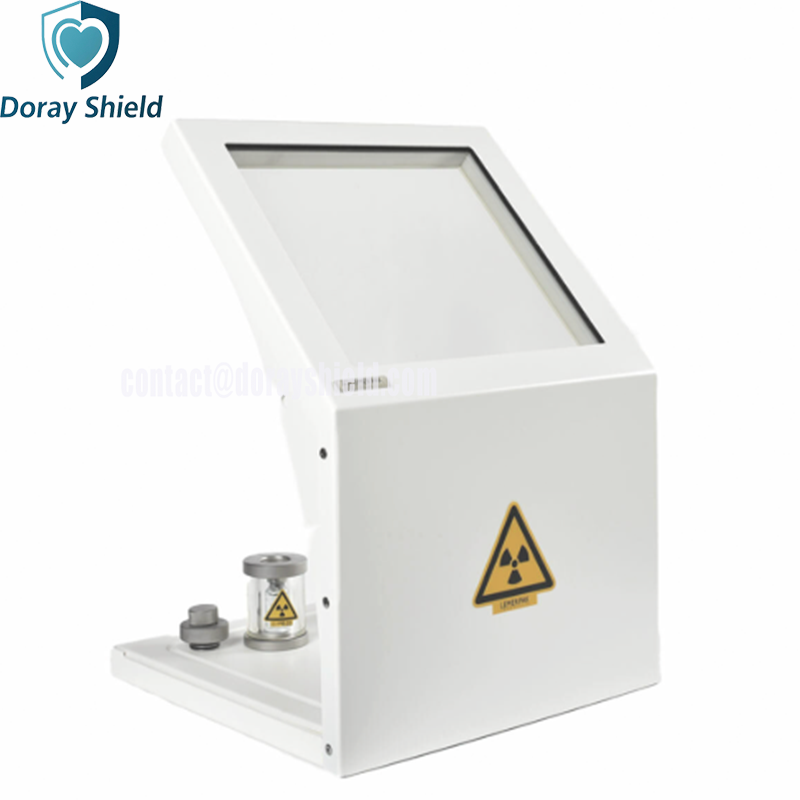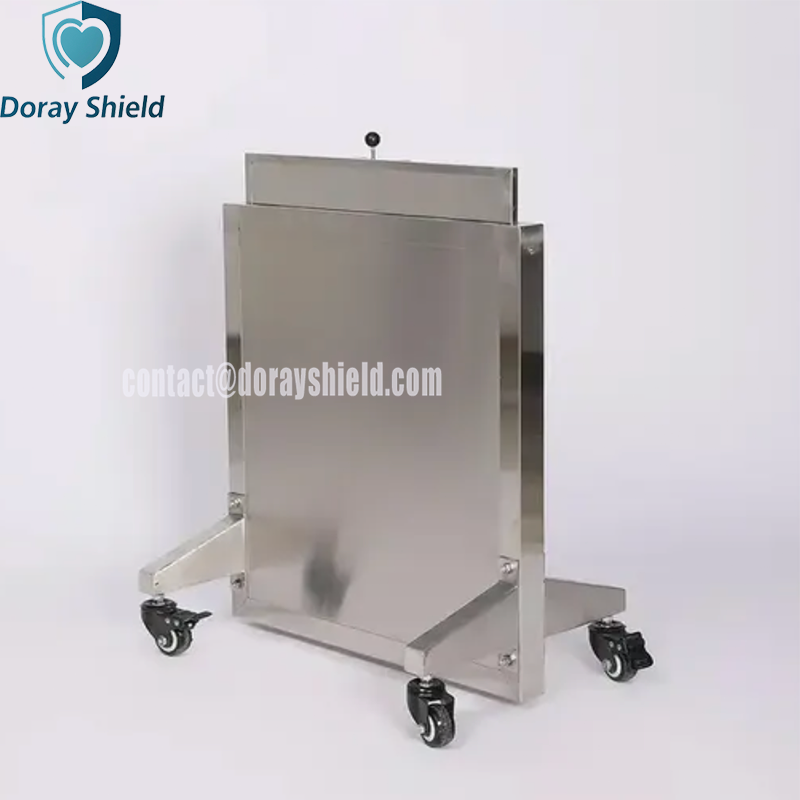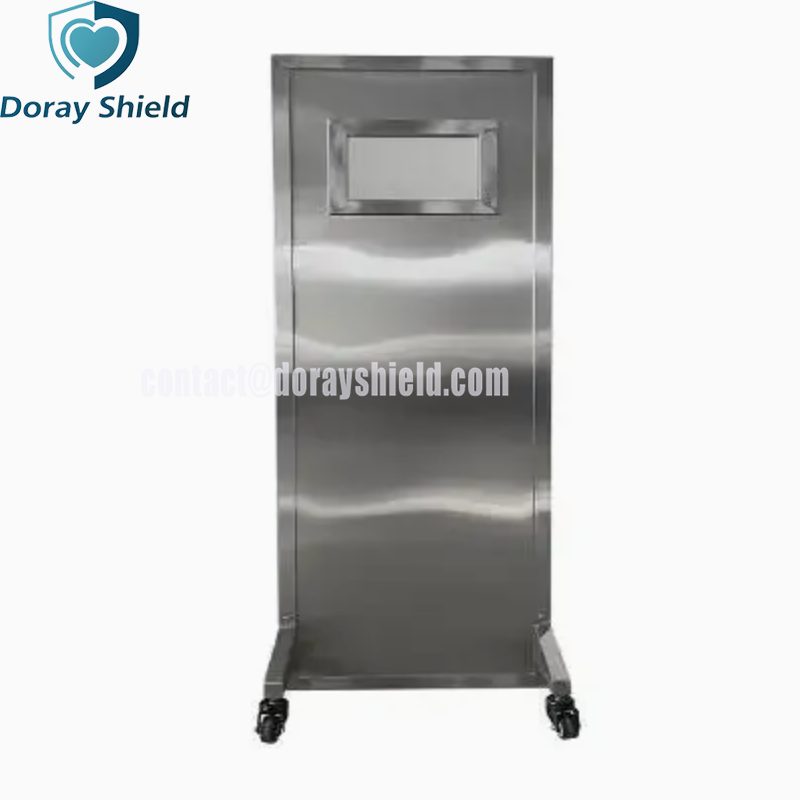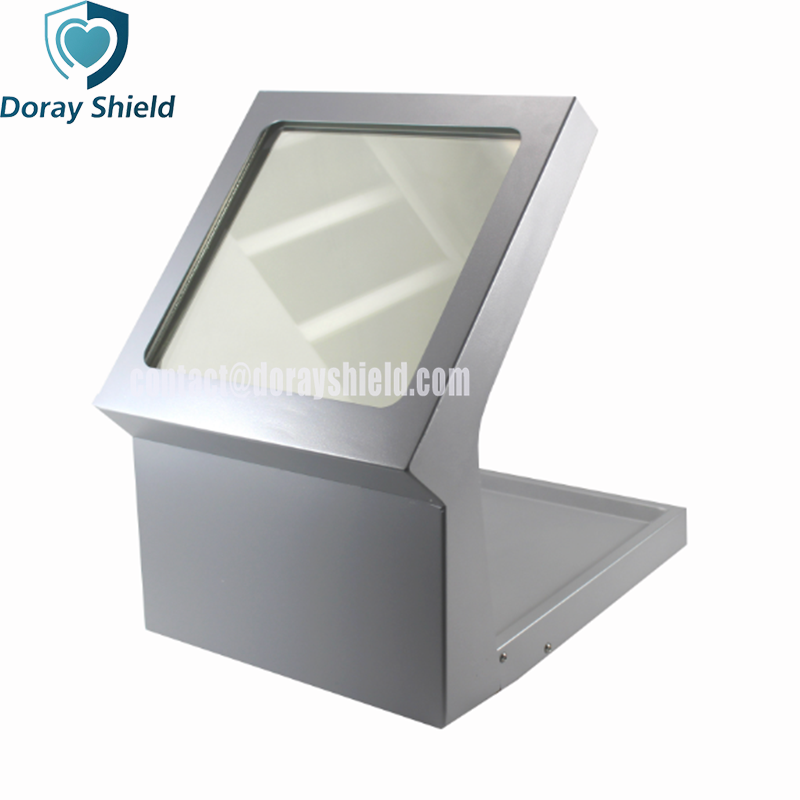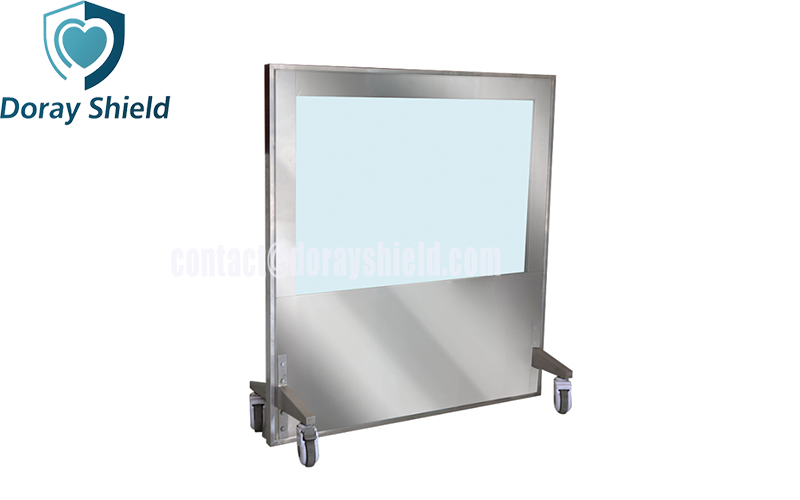
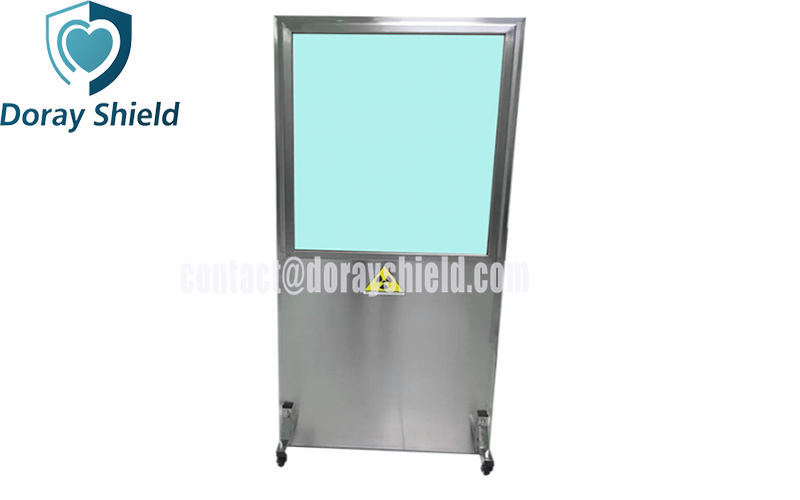
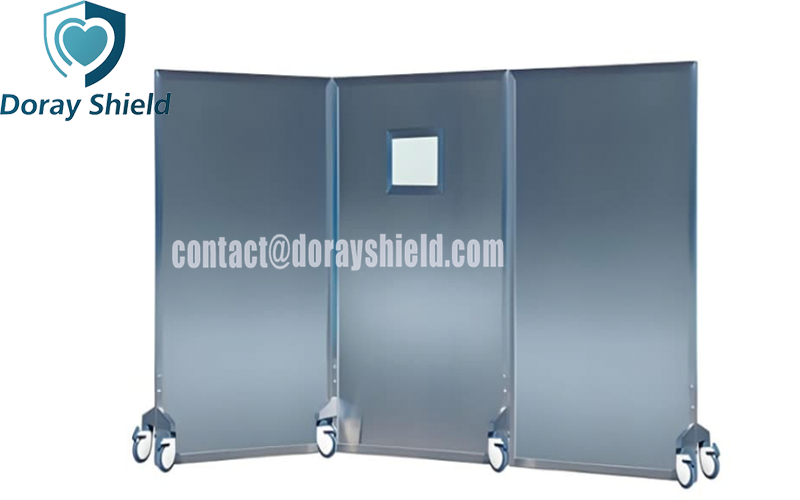
The mobile X-ray barrier—also known as a mobile medical lead screen or radiation shielding barrier—is a dynamic radiation protection device specifically designed for use in medical radiology departments, imaging centers, operating rooms, and emergency settings. Its primary function is to safeguard medical personnel and surrounding patients from unnecessary radiation exposure during X-ray diagnostics, interventional procedures, or bedside imaging, by effectively absorbing and scattering radiation through high-density shielding materials. Unlike fixed shielding installations, the mobile x-ray barrier offers flexible maneuverability, allowing its position to be rapidly adjusted to meet the demands of clinical procedures; this embodies the dynamic protection philosophy of "shielding that moves with the personnel," making it an indispensable safety aid in modern radiological diagnosis and treatment.
Mobile X-ray barriers are widely utilized in the following medical and non-medical settings:
Bedside Radiography: Provides immediate radiation protection during X-ray examinations performed at the patient's bedside for individuals who cannot be transported to the radiology department, such as critically ill patients in the ICU, post-operative patients, and patients undergoing skeletal traction.
Operating Rooms and Interventional Procedures: Offers flexible, localized shielding during surgeries guided by C-arm fluoroscopy or procedures conducted in DSA catheterization labs, where physicians are required to work in proximity to the radiation source.
Emergency Departments and Temporary Screening Stations: Serves as the primary means of radiation protection in emergency departments or temporarily established screening sites where fixed protective facilities are unavailable.
Dental Clinics: Used to provide radiation protection for patients and dental assistants during dental X-ray imaging procedures.
Industrial Inspection and Scientific Research: In non-medical sectors, these screens are employed in industrial inspection processes or laboratory environments where radiation risks are present.
Positioning: Move the protective screen into place between the radiation source and the personnel requiring protection, ensuring that the screen completely covers the area requiring shielding.
Locking: Engage the caster brakes to secure the screen in a stable position, thereby preventing any accidental sliding.
Observation: Monitor the patient's condition and the progress of the procedure through the lead-glass observation window to avoid unnecessary exposure.
Integrated Protection: The protective screen should be used in conjunction with personal protective equipment (such as lead aprons, lead thyroid collars, and lead glasses) to establish a multi-layered protection system.
Distance Principle: Even when utilizing the protective screen, one should still adhere to the "Time, Distance, and Shielding" principles—minimizing the duration of exposure and maximizing the distance from the radiation source whenever possible.
| Parameter | Typical Specification/Metri | Description |
| Effective Height | ≥1800mm | Covers the primary radiation-exposed areas of the human body |
| Total Width | ≥900mm (Single-panel) | Width increases proportionally for multi-panel screens |
| Lead Equivalence (Opaque Zones) | 1.0 mmPb – 2.0 mmPb | Mobile screens typically feature higher shielding levels, reaching up to 2.0 mmPb. |
| Lead Equivalence (Transparent Zones) | 0.5 mmPb – 1.0 mmPb | Applies to the observation window section, balancing visibility with radiation protection. |
| Viewing Window Area | ≥ 100 mm × 150 mm | Select high-end models offer an even wider field of view |
| Unit Weight | Approx. 18 kg – 28 kg | Lightweight design facilitates single-handed pushing and pulling. |
| Protective Efficacy | Attenuates radiation by approximately 81.81% | Following installation, the kerma rate at the measurement point decreased significantly. |
Delivery is prompt!
By 10-year industry experts!
Diverse payment methods available!
Unbeatable cost performance!