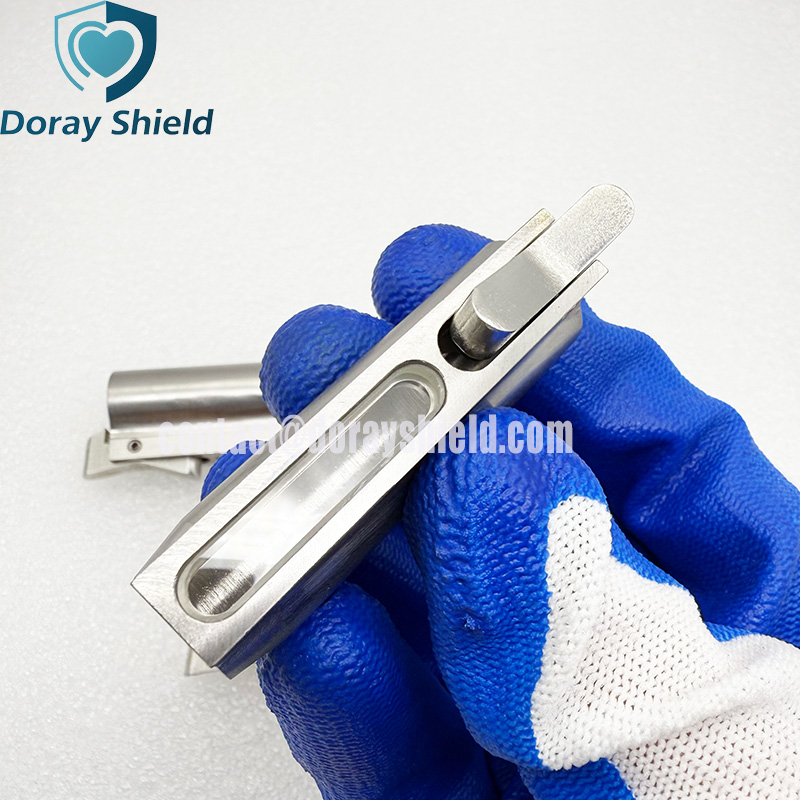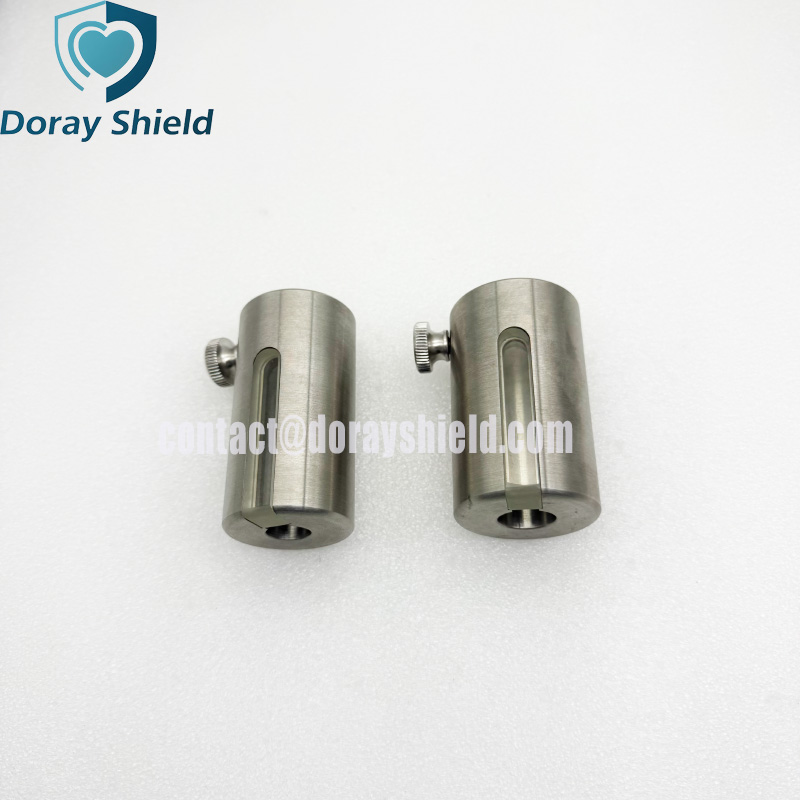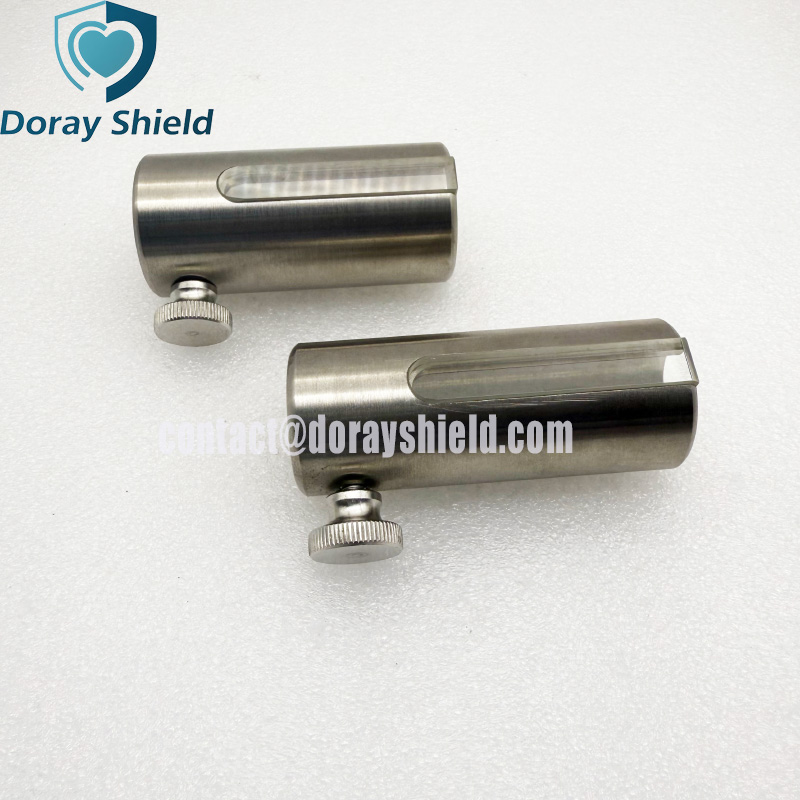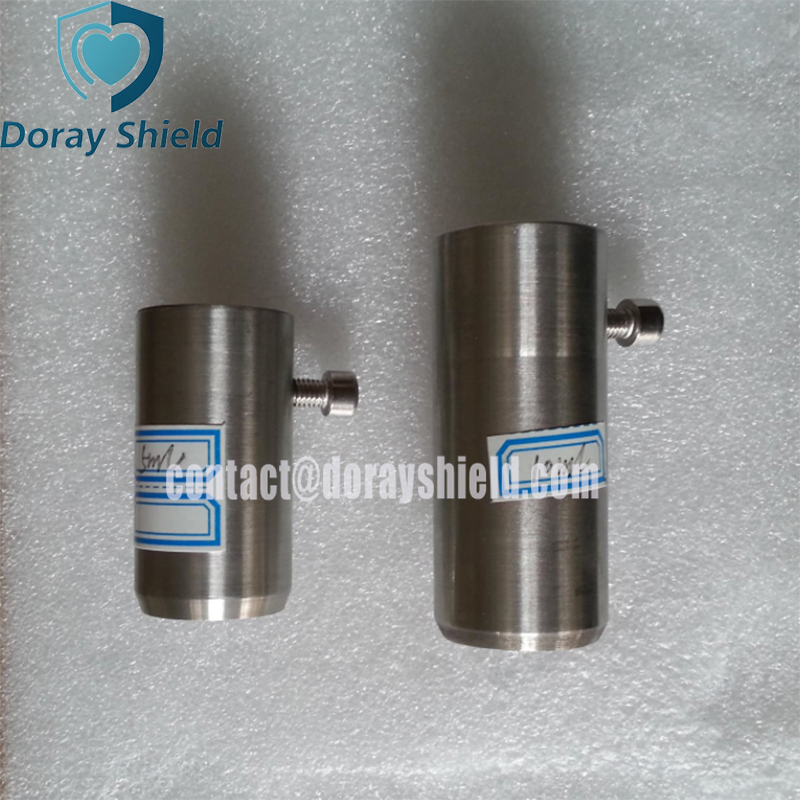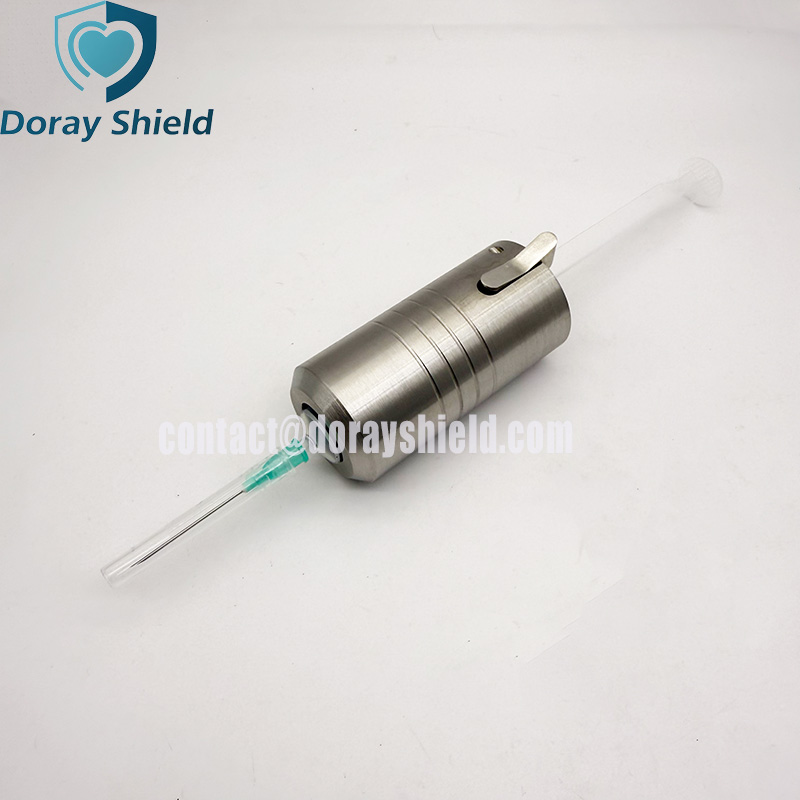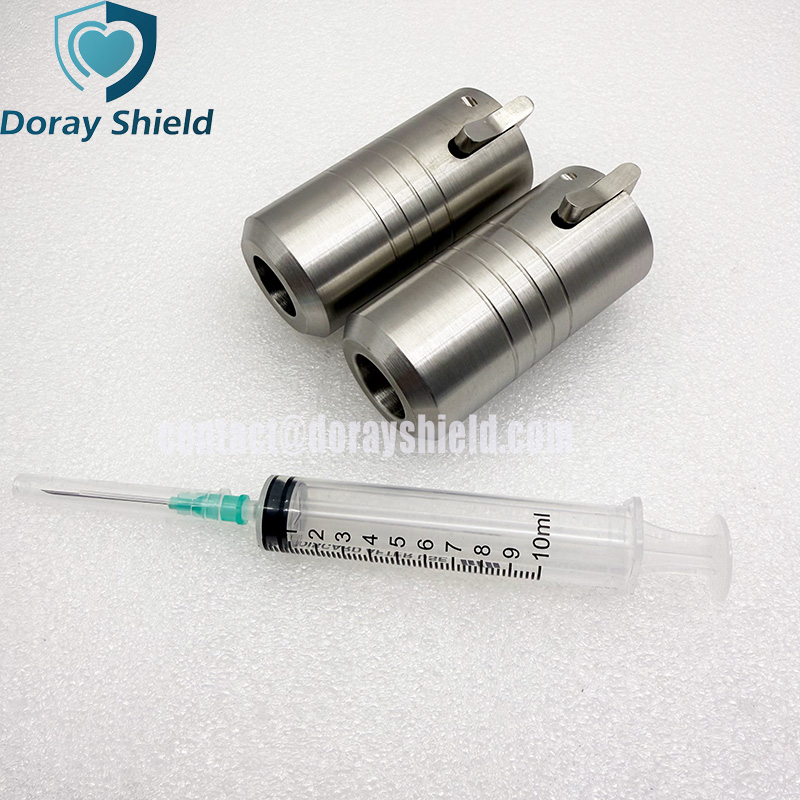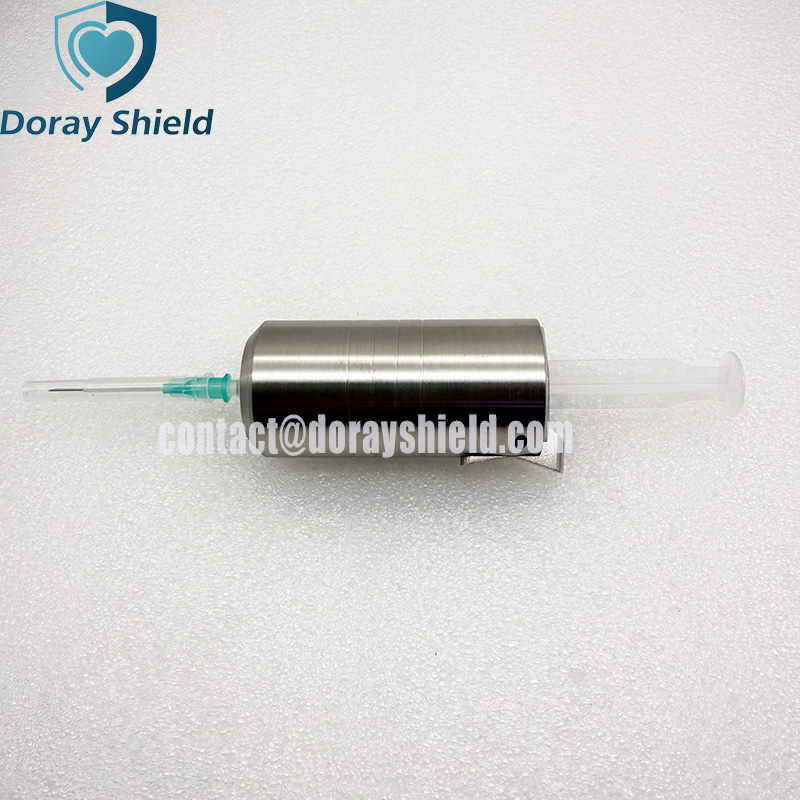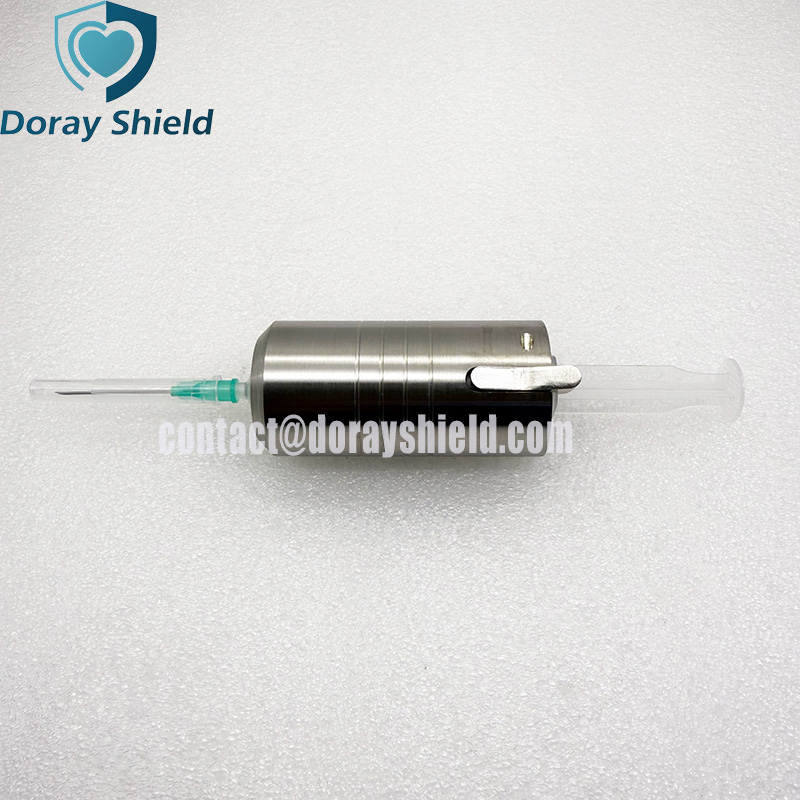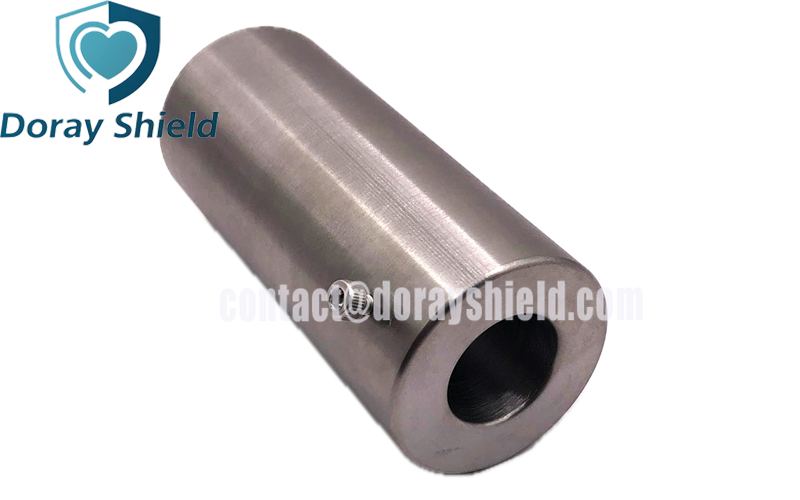
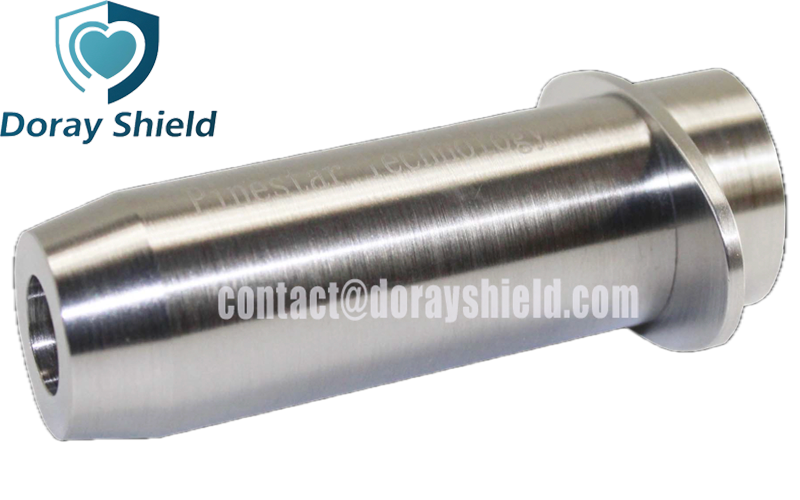
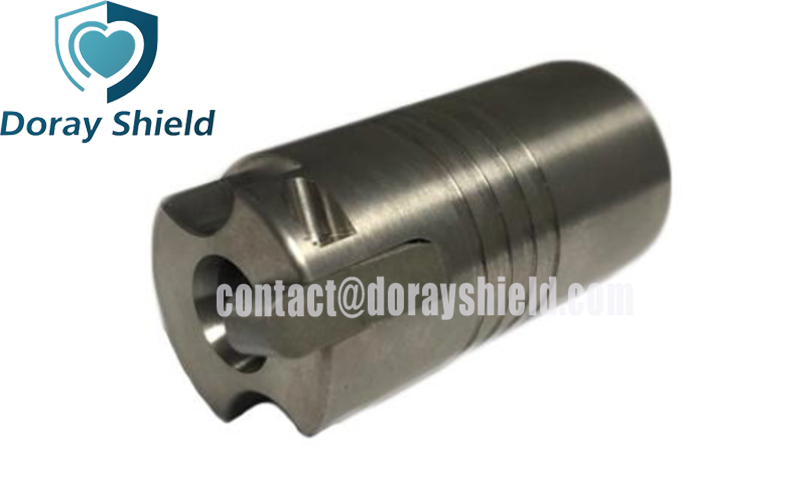
The tungsten alloy PET syringe shield serves as a protective barrier aimed at minimizing radiation exposure for medical personnel working with 18F-FDG during PET scans. Imaging PET employs radioactive synthetic tracers that are metabolically active for visual representation of a patient's body, and its purpose is to contain the radioactive emission from the syringe's contents. Doing so minimizes the radiation risk an operator may face.
For the patient, the use of radiotracers in imaging processes enhances accuracy; however, one staff member is caught in an operational border cross-contamination radiation crossfire. These tungsten alloy shields have at last served an invaluable purpose in the safety of PET imaging by active radiation source shielding. The shields reduce occupational radiation exposure of staff while decreasing radiological contamination for the patient's environment.
The shield has an adaptive architecture and may be fitted close to the surface of the syringe, enabling the formation of a protective barrier between the radioactive material and the operator. It balances usability and multifunctional adaptability simultaneously. The shield is typically made with a quick-fastening device, such as a snap or rotary interface, which allows for one-handed sliding suture for medical personnel while maintaining full protection throughout the entire process. This versatile structure enables medical personnel to perform tracer injections with precision and safety, while significantly reducing radiation exposure.
1. High density and strong shielding performance: The Tungsten alloy has a density of 16.5-19.0 g/cm³, and it possesses formidable shielding capabilities against radiation particles (like 18F-FDG, which is often utilized in PET scans). For instance, a tungsten alloy shield with 8mm thickness provides shielding equivalent to 10mm of lead.
2. Non-toxic and environmentally friendly: Tungsten alloy does not contain lead and is thus non-toxic, which makes it eco-friendly in comparison to traditional alloys used.
3. Wondrous endurance: With its hard, multifunctional signature, high melting point, along with its great mechanical bond, among other factors like impact resistance, tungsten alloy proves to be effective for transport and frequent use.
4. Best shielding Design: The protective windows of the glasses are designed complementarily. They not only offer safe observation of the immunomagnetic flag, but also the window allows the user to observe the medicament concealed within the further immured syringe. Concerning the case retainer, the captures of the probes guarantee and command the syringe, enabling operational safety.
5. Lightweight and small size: In the resting cross-section, with similar protective impact, the volume and mass of Tungsten alloy are reduced to merely one third the bulk and weight of the lead shield. This not only enhances protection but also makes operation and transport much easier.
6. Adaptability and strong customization: Shields of different ranges can be designed to accommodate large charge volumes up to standard sizes like 1cc, 3cc, 5cc, 10cc, and 20 cc.
During a PET-CT test, radioactive markers are injected, for example, 18F-FDG. This is done to limit the radiation burden on other healthcare personnel. As a secondary radiation protective device for the PET equipment, it lessens the scattered radiation of the radioactive materials during injection. This greatly improves the safety and imaging quality of equipment utilization. In the nuclear medicine labs, the device is intended for the protection of employees handling radioactive isotopes.
Material | 90WNiFe | 92.5WNiFe | 95WNiFe | 97WNiFe |
Material | 90% W | 92.5% W | 95% W | 97% W |
7% Ni | 5.25% Ni | 3.5% Ni | 2.1% Ni | |
3% Fe | 2.25% Fe | 1.5% Fe | 0.9% Fe | |
Density (g/cc) | 17 gm/cc | 17.5 gm/cc | 18 gm/cc | 18.5 gm/cc |
Density (lbs/in3) | 0.614 | 0.632 | 0.65 | 0.668 |
Delivery is prompt!
By 10-year industry experts!
Diverse payment methods available!
Unbeatable cost performance!